TL;DR

Prime made for students and young adults
- Fast, free delivery for dorm and study essentials
- Prime Video and Amazon Music included
- Member-only deals
NGC 6188, known as the ‘Dragons of Ara,’ is a luminous stellar nursery 4,000 light-years away. Recent high-res images reveal its fiery filaments and ongoing star birth, driven by massive young stars shaping the nebula’s dramatic structure.
Ever wonder what a dragon would look like in the night sky? Think fiery tendrils of gas, twisting and curling like mythical beasts frozen in time. That’s exactly what NGC 6188 offers—an awe-inspiring nebula in the constellation Ara that looks like a cosmic dragon battling in the darkness.
This stellar nursery isn’t just a pretty picture. It’s a laboratory for understanding how massive stars influence their birthplace, shaping clouds of gas into intricate, fiery sculptures. And with recent advances in telescope tech, astronomers are peeling back layers of mystery—seeing details no one could dream of a decade ago.
In this story, you’ll learn what makes the Dragons of Ara so captivating, how new imagery is changing our view of star formation, and how you can spot this celestial dragon from your backyard.
NGC 6188’s fiery filaments are shaped by stellar winds and ultraviolet radiation from young, massive stars, giving it a dragon-like appearance.
Recent high-resolution images from JWST reveal detailed structures and ongoing star formation, transforming our understanding of this nebula.
Colors in the nebula tell us about its composition—reds from hydrogen, greens and blues from oxygen and sulfur—offering clues to its physical conditions.
Amateurs can photograph NGC 6188 by using wide-field optics, hydrogen-alpha filters, and stacking multiple long exposures under dark skies.
The nebula is a cosmic laboratory, helping scientists study how massive stars influence their birthplaces and the lifecycle of star-forming regions.
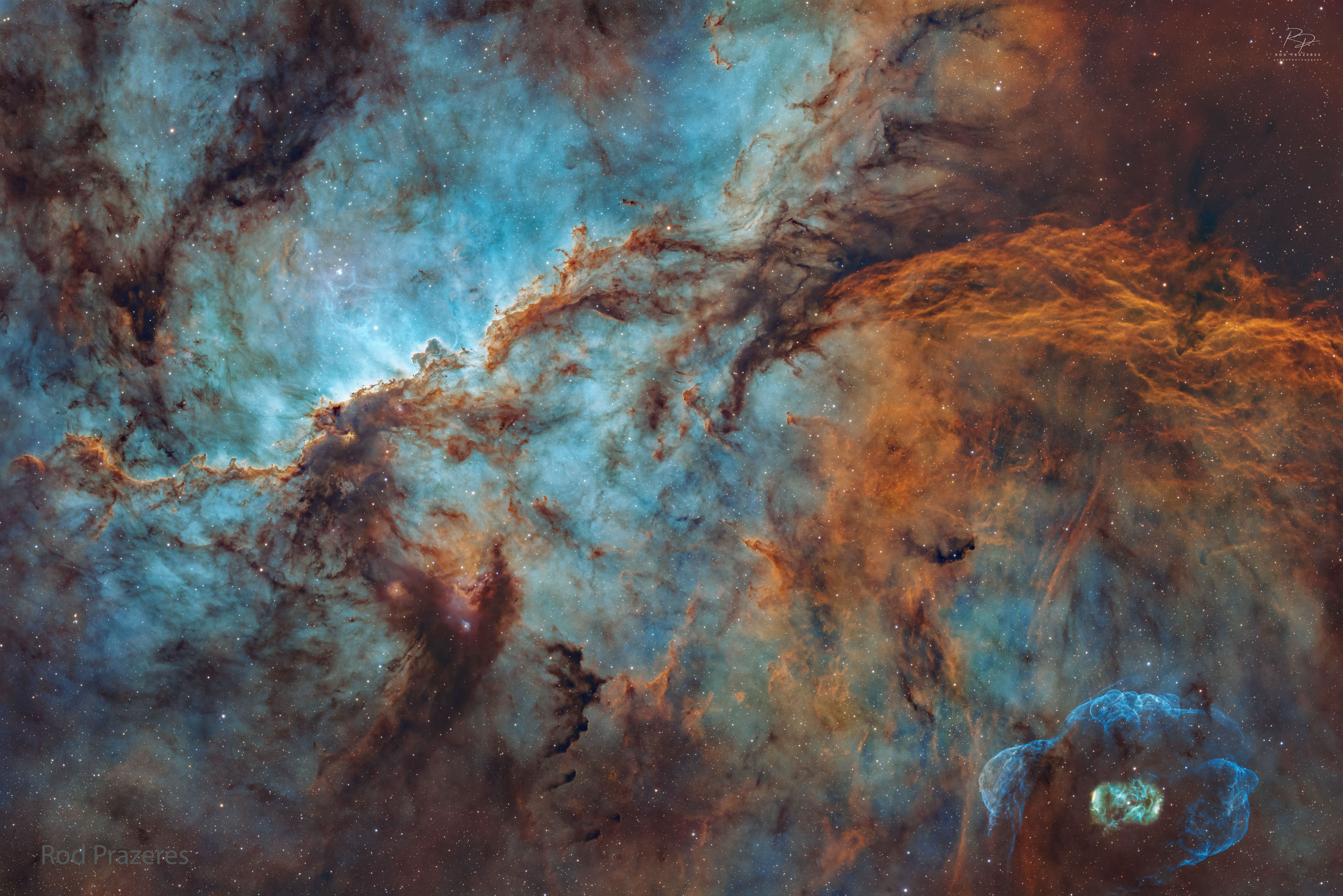
What Is the ‘Dragons of Ara’ and Why Does It Look Like a Cosmic Dragon?
NGC 6188 is a bright emission nebula, a glowing cloud of gas and dust, about 4,000 light-years away. Its name, ‘Dragons of Ara,’ comes from the way its fiery filaments twist and curl, resembling a mythical creature mid-roar. The nebula’s striking appearance results from intense ultraviolet radiation from young, massive stars, which ionizes the gas, causing it to glow in brilliant reds, oranges, and yellows.
Imagine a battlefield of cosmic fire—long, delicate tendrils reaching out like the claws and wings of a dragon. These structures are shaped by stellar winds and radiation pressure, carving the cloud into its mythical form. The nebula is part of the larger Ara OB1 association, a cluster of young, hot stars that are still shaping their environment.
Seeing this in a telescope? Use a wide-field instrument, ideally under dark skies. The nebula’s glow is faint but vivid, especially in hydrogen-alpha filters that highlight its fiery reds.
hydrogen-alpha astrophotography filter
As an affiliate, we earn on qualifying purchases.
As an affiliate, we earn on qualifying purchases.
How Recent Tech Is Revealing New Secrets About NGC 6188
Recent high-resolution images from telescopes like the James Webb Space Telescope (JWST) have transformed our view of NGC 6188. These images do more than just show us prettier pictures—they provide critical insights into the processes that drive star formation in such complex environments. For instance, JWST’s infrared capabilities allow astronomers to peer through dense dust clouds that obscure visible light, revealing newly forming stars hidden deep within the nebula. This helps us understand where and how stars are born, and the role of the surrounding gas and dust in shaping their development.
Furthermore, detailed images expose tiny jets and outflows from young stars—cosmic fireworks that influence their surroundings. These jets can trigger or inhibit further star formation, depending on their strength and direction, creating a delicate balance in the nebula’s evolution. The intricate filaments and knots of gas seen in high-res images are evidence of ongoing interactions between stellar winds, radiation, and gravity, showing that the nebula is a constantly changing environment.
Understanding these processes is crucial because they highlight the complex feedback mechanisms in star-forming regions. The tradeoff? While stars can stimulate new star birth by compressing nearby gas, their intense radiation and winds can also disperse the material, halting further formation. Recognizing this balance helps astronomers refine models of galaxy evolution and star formation rates, illustrating that nebulae like NGC 6188 are dynamic laboratories where cosmic creation and destruction are intertwined.
This means that the nebula isn’t just a static picture but a living, evolving environment. Advances in telescope technology are enabling us to study these environments in unprecedented detail, providing insights that could eventually reveal the conditions that led to our own solar system’s formation.
As an affiliate, we earn on qualifying purchases.
The Secrets Hidden in the Colors and Structures of NGC 6188
Colors in images of NGC 6188 aren’t just pretty—they’re vital clues to understanding its composition and physical conditions. Bright reds predominantly come from hydrogen gas, energized by ultraviolet radiation from nearby hot stars. These regions indicate areas of active ionization, where stellar winds and radiation are actively sculpting the nebula’s structure. Blues and greens often represent emissions from oxygen and sulfur, elements that can reveal the temperature and density of the gas. By analyzing these spectra, astronomers can infer the chemical makeup and physical state of different parts of the nebula, which in turn helps build models of how star-forming clouds evolve over time.
The filamentary structure is especially significant. These long, thread-like features are shaped by a combination of stellar winds, magnetic fields, and shock waves—each playing a role in shaping the nebula’s appearance. They act as cosmic scaffolding, guiding where new stars might form and how existing structures will evolve. Their intricate shapes aren’t random; they record the history of energetic events and feedback mechanisms, revealing the ongoing battle between gravity pulling material together and stellar winds pushing it apart. Understanding these filaments helps scientists piece together the lifecycle of molecular clouds and the conditions necessary for star formation, which are crucial for broader astrophysical theories about galaxy evolution and the origins of planetary systems.
In essence, the nebula’s colors and structures encode a story of cosmic forces at work, offering clues about the lifecycle of stars and the complex interactions that govern their birthplaces.
As an affiliate, we earn on qualifying purchases.
How to Photograph the ‘Dragons of Ara’ from Your Backyard
- Pick a dark, moonless night—away from city lights. The nebula is faint, so darker skies make a huge difference.
- Use a wide-field telescope or camera with a fast lens (f/2.8 or faster). Longer exposures capture more detail and color.
- Apply hydrogen-alpha filters to emphasize the reds and fiery filaments. These filters block out light pollution and bring out nebular detail.
- Stack multiple exposures—20, 30, or even 50 minutes total—using stacking software. This reduces noise and sharpens the image.
- Be patient. The nebula spans over 2 degrees in the sky, so framing it well requires a wide field of view and careful planning.
Pro tip: Use apps or star charts to locate Ara and NGC 6188. It’s near the constellation Scorpius, a bright, recognizable shape in the southern sky.
Capturing NGC 6188 isn’t just about equipment—it’s about understanding the environment. Recognizing that the nebula’s faint glow requires patience and precise setup reminds amateur astronomers of the importance of planning and learning about their local skies. Each successful shot is a small victory in deciphering cosmic stories, connecting backyard observers with the grand processes of star formation happening light-years away. This process emphasizes the importance of perseverance and understanding atmospheric and light pollution factors, which can make or break your image quality. Ultimately, it’s about appreciating the universe’s complexity and your place in observing it.
As an affiliate, we earn on qualifying purchases.
What Makes NGC 6188 Stand Out Among Other Nebulae?
NGC 6188’s fiery filaments and active star formation make it a standout among nebulae. Unlike calmer regions such as the Orion Nebula, this nebula showcases the raw power of stellar winds and radiation actively reshaping its environment. It’s a cosmic battlefield where the forces of creation and destruction are constantly at play, giving astronomers a real-time view of how massive stars influence their surroundings.
Its proximity—just 4,000 light-years away—and size—roughly 100 light-years across—make it accessible for detailed study. The vivid colors and complex structures not only captivate observers but also serve as natural laboratories for understanding the feedback processes that regulate star formation. The nebula’s active environment means it is a snapshot of a phase that many star-forming regions go through, making it invaluable for testing theories of stellar evolution and nebular dynamics.
Compared to more static nebulae, NGC 6188 provides a dynamic, evolving picture—like witnessing a cosmic construction site in action. Its ability to reveal how energetic feedback from massive stars can both trigger and inhibit new star formation makes it a key target for ongoing research, helping us comprehend the balance that governs galaxy evolution.
What’s Next for NGC 6188 and Star Formation Studies?
Future observations with JWST and other next-generation telescopes will go beyond current images, revealing even finer details about the interplay between stars and their birth clouds. These studies aim to understand how massive stars can both trigger and suppress star formation—an essential piece of the puzzle in galaxy evolution. The insights gained could clarify whether regions like NGC 6188 are primarily nurseries or battlegrounds, depending on the balance of forces at play.
Tracking the evolution of the nebula’s filaments over decades offers a rare opportunity to observe the lifecycle of molecular clouds in real time. Such long-term studies could illuminate how feedback processes influence the formation of planetary systems and the distribution of elements necessary for life. This ongoing research underscores the nebula’s importance as a natural laboratory for understanding the lifecycle of stars and the shaping of galaxies.
For amateur astronomers and enthusiasts, these advances mean NGC 6188 remains a compelling target—not just for awe-inspiring images but for understanding cosmic processes that have shaped our universe. As technology progresses, so does our capacity to decode the universe’s secrets, making each new discovery a step closer to comprehending the grand story of star formation and cosmic evolution.
Frequently Asked Questions
Can I see NGC 6188 with my telescope?
Yes. Under dark skies, a decent amateur telescope can reveal NGC 6188 as a faint glow near the constellation Ara. Using a hydrogen-alpha filter enhances the view, making its fiery filaments pop out more vividly.
What equipment do I need to photograph NGC 6188?
A wide-field telescope or DSLR with a fast lens (f/2.8 or faster), a hydrogen-alpha filter, and a sturdy mount for long exposures will give you the best results. Stacking multiple images helps bring out the nebula’s intricate details.
Why does NGC 6188 look like a dragon?
The nebula’s filaments and glowing gas resemble a mythical dragon, shaped by the winds and radiation from newly formed, massive stars. These forces carve the gas into fiery tendrils that stretch across the sky.
How does recent telescope technology change what we know about NGC 6188?
New instruments like JWST provide detailed infrared views, revealing stars hidden in dust and exposing fine structures. This helps astronomers understand star formation processes and how massive stars sculpt their environment.
Conclusion
NGC 6188 is more than a beautiful nebula—it’s a dynamic, fiery workshop of star creation, shaped by forces we’re only beginning to understand. Every new image uncovers more detail, more stories of cosmic birth and destruction.
Next time you gaze at the southern sky, remember: right above you, a dragon is still fighting in the darkness—its fiery tendrils reaching across light-years, whispering secrets of the universe’s ongoing creation.
Halloween Picks
halloween
As an affiliate, we earn on qualifying purchases.