TL;DR

Get school and study supplies delivered free — and shop member deals
- Fast, free delivery on millions of items
- Access to Prime Big Deal Days deals on October 6–7
- Prime Video, Amazon Music and more included
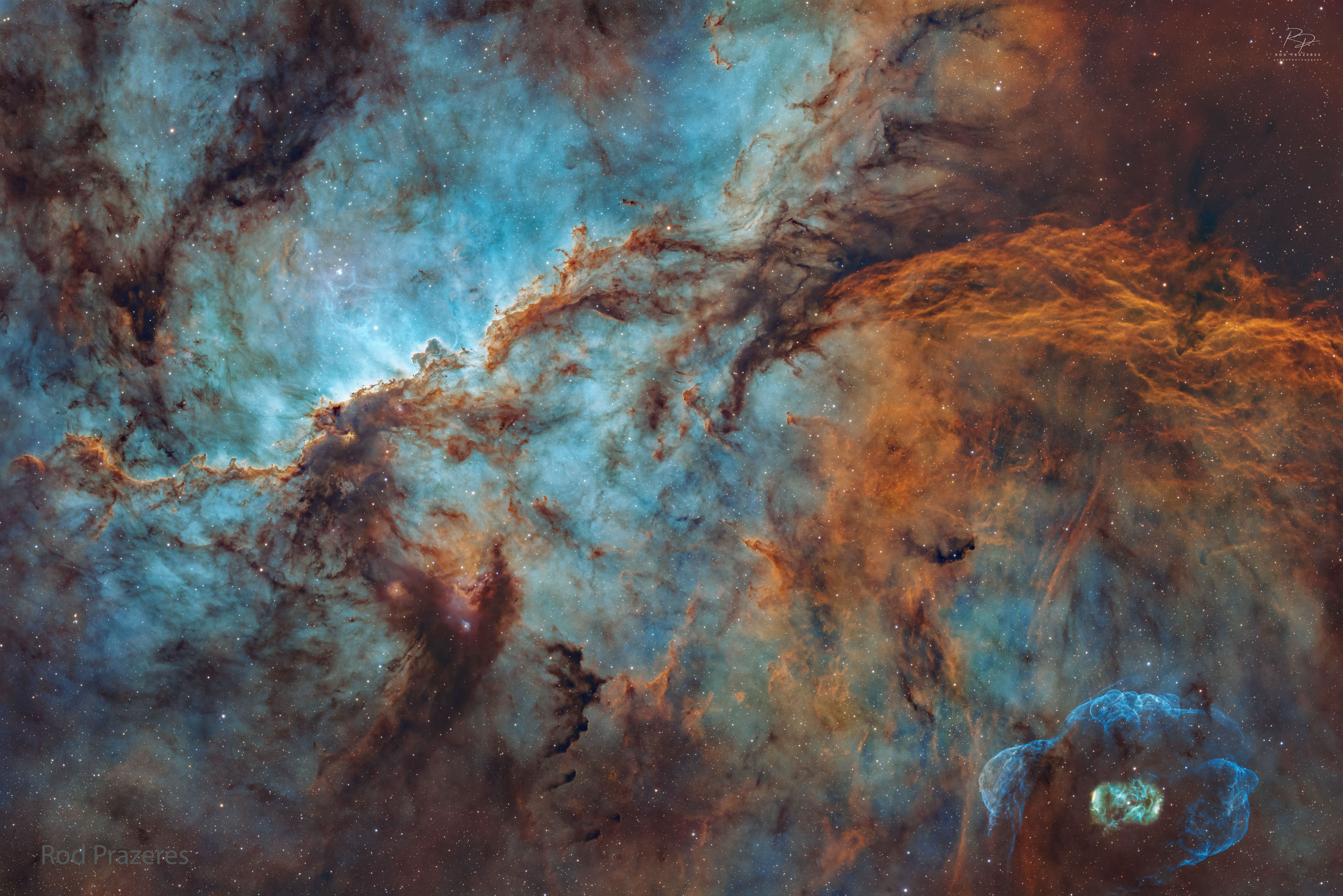
NGC 6188, known as the ‘Dragons of Ara,’ is a bright emission nebula about 4,000 light-years away. Its intricate gas shapes resemble mythical dragons, formed by star birth and stellar winds. Recent images reveal detailed structures, making it a favorite for scientists and skywatchers alike.
Ever wondered what mythical creatures might be hiding in the night sky? NGC 6188, the ‘Dragons of Ara,’ offers a mesmerizing glimpse. This glowing cloud of gas and dust, shimmering 4,000 light-years away, looks like fierce dragons frozen in an eternal fight.
Thanks to advances in telescopes and imaging, we now see these shapes in stunning detail. It’s a cosmic canvas that sparks both curiosity and awe — a stellar nursery where stars are born amidst chaos and beauty. Today, we’ll explore what makes NGC 6188 so special, what recent discoveries reveal, and how you can spot it if you’re out under dark skies.
NGC 6188’s ‘dragons’ are gas and dust shapes carved by stellar winds and radiation from young, massive stars.
Viewing requires dark skies and a wide-field setup; even amateur telescopes can reveal its filamentary beauty.
Recent images from JWST and other telescopes show tiny protostars forming within the nebula, illustrating ongoing star birth.
The nebula’s complex structures make it a stunning target for astrophotographers and a window into stellar evolution.
Understanding these nebulae helps us see how the universe recycles gas into new stars, fueling cosmic life cycles.
What Exactly Are the ‘Dragons’ in NGC 6188?
NGC 6188 is an emission nebula, a glowing cloud of ionized gas lit up by young, massive stars. The ‘dragons’ are not real creatures but intricate shapes formed by gas filaments and dust, shaped by stellar winds and radiation.
Imagine a giant, fiery sculpture made of wispy threads of hydrogen, oxygen, and dust swirling in space. These filaments stretch across light-years, creating the illusion of mythical beasts locked in battle. The red glow from hydrogen is the nebula’s signature, highlighting the turbulent, living structure of this stellar nursery.
Understanding these gas filaments is crucial because they are the raw material for new stars. Their shapes tell us about the forces at play—how stellar winds and radiation pressure carve out complex patterns, influencing where and how stars form. These structures are transient, constantly reshaped by stellar feedback, which can either trigger or suppress further star formation. Recognizing this dynamic helps astronomers decode the lifecycle of star-forming regions and the feedback processes that regulate galaxy evolution.
amateur telescope for astrophotography
As an affiliate, we earn on qualifying purchases.
As an affiliate, we earn on qualifying purchases.
Why Does NGC 6188 Look Like Mythical Dragons?
The shapes come from the way hot stars influence surrounding gas. Their ultraviolet radiation ionizes the gas, causing it to glow, while stellar winds push and carve the gas into complex shapes. Over millions of years, these forces sculpt the nebula into forms that resemble dragons, serpents, or other mythic creatures.
This process is a cosmic example of natural sculpting, where the interplay of radiation pressure and stellar winds creates intricate, often unpredictable patterns. These shapes are significant because they reveal the underlying physics—how massive stars influence their environment and regulate subsequent star formation. The resemblance to mythical dragons isn’t just poetic; it embodies the power of stellar feedback mechanisms shaping cosmic structures. Recognizing these patterns allows astronomers to identify regions of active star formation and understand the stages of nebular evolution. The shapes also serve as visual clues, helping scientists infer the history and dynamics of the nebula’s development.
As an affiliate, we earn on qualifying purchases.
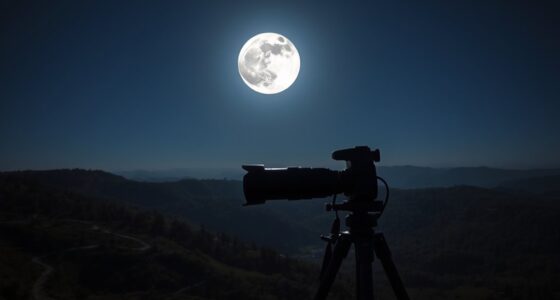
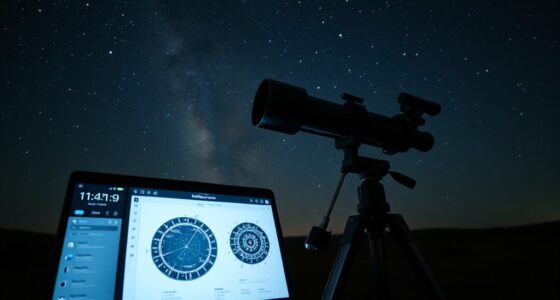
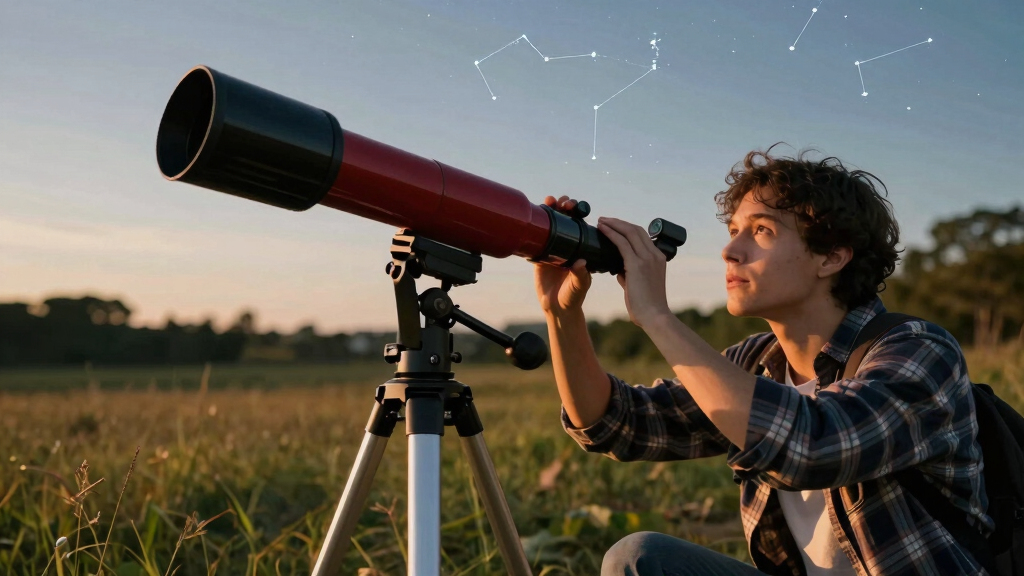
How Can You See NGC 6188 From Your Backyard?
- Find the constellation Ara — the Altar — in the southern sky during winter or summer evenings, depending on your location.
- Use a wide-field telescope or binoculars — the nebula spans over 2 degrees, or about four full Moons across.
- Look for a faint, glowing patch of light near the bright stars of Ara. It’s not as bright as Orion’s Nebula but can be captured with long exposure images from dark skies.
- Patience is key. Use a tracking mount and a camera with a good sensor to gather enough light.
As an affiliate, we earn on qualifying purchases.
What Recent Discoveries Made NGC 6188 Even More Fascinating?
Recent high-resolution images, particularly from the James Webb Space Telescope (JWST), reveal internal structures never seen before. These detailed views show tiny knots of gas, newly forming stars, and shock waves rippling through the nebula.
Scientists have identified several protostars—baby stars—embedded in the gas, giving clues about how massive stars influence their surroundings. The feedback from these stars triggers new generations of star formation, keeping the nebula alive and evolving.
These insights are significant because they deepen our understanding of star formation processes, especially how massive stars can both trigger and inhibit the birth of new stars. The detailed images allow astronomers to observe the earliest stages of star development within the complex gas structures, providing a window into the lifecycle of stellar nurseries. Recognizing these phenomena helps us comprehend the delicate balance of forces that govern the evolution of such nebulae and their role in galactic ecology.
As an affiliate, we earn on qualifying purchases.
Frequently Asked Questions
Can I see NGC 6188 with binoculars?
With a good pair of binoculars under dark skies, you can spot a faint glow near the constellation Ara. A telescope enhances the view, revealing more of its filamentary structure and colors.
What makes NGC 6188’s shapes so distinct from other nebulae?
The unique shapes come from the interplay of stellar winds, radiation, and gas, which carve the nebula into filamentary forms that resemble mythical dragons, unlike the smoother or pillar-like structures in other nebulae.
When is the best time to observe NGC 6188?
In the southern hemisphere, look for it during the summer months, around December to March, when Ara is high in the sky. In the northern hemisphere, it’s best viewed from late winter to early spring with a clear, dark night.
Will future telescopes help us understand NGC 6188 better?
Absolutely. Instruments like the James Webb Space Telescope will provide even sharper images and spectra, revealing the tiny stars and gas dynamics inside the nebula—deepening our understanding of star formation processes.
Conclusion
NGC 6188 isn’t just a pretty picture — it’s a dynamic, living scene of star birth and cosmic sculpting. Its dragon-like shapes remind us that nature’s chaos can create beauty beyond myth.
If you’re under dark skies, try capturing it. You might just bring a piece of those fiery, mythical beasts into your own backyard universe.
Fall Picks
fall essentials
As an affiliate, we earn on qualifying purchases.