TL;DR
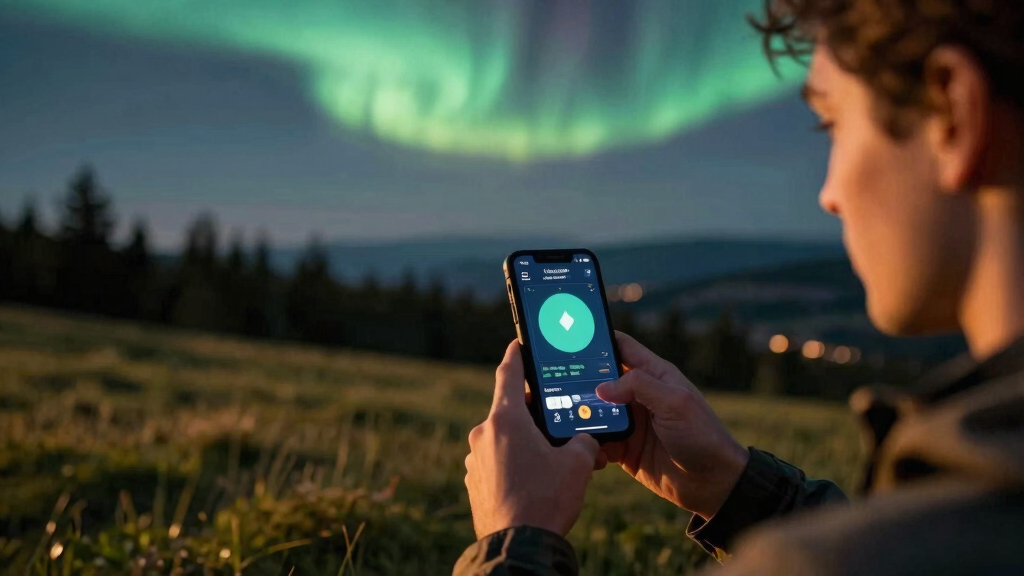
A geomagnetic storm is expected to produce visible northern lights across 19 U.S. states tonight, including Vermont. The forecast is based on space weather predictions, with visibility depending on local conditions.
Up to 19 U.S. states, including Vermont, may see the northern lights tonight due to a geomagnetic storm caused by solar activity, according to space weather forecasts. Check the latest aurora forecast for more details. This phenomenon, typically visible in northern regions, could be observable across a broad area, depending on local conditions. The forecast has prompted alerts from space weather agencies and local authorities advising viewers on safety and viewing tips. For updates, see the Northern Lights forecast.
The National Oceanic and Atmospheric Administration (NOAA) Space Weather Prediction Center has issued a geomagnetic storm watch, predicting that the storm could produce auroras visible as far south as the northern United States. States included in the forecast range from Maine to Montana, with Vermont among those highlighted. The storm results from a coronal mass ejection (CME) from the sun that interacted with Earth’s magnetic field, causing increased geomagnetic activity.
Space weather experts say that the storm’s intensity could produce auroras visible to the naked eye in areas with clear, dark skies. The forecast emphasizes that local weather conditions, light pollution, and observer location will influence visibility. Authorities and astronomers recommend viewers find dark, open areas away from city lights to maximize their chances of witnessing the northern lights. You can also learn more about northern lights viewing tips here.
Officials from NOAA and local astronomical societies have issued advisories, urging residents to stay updated on the forecast and to exercise caution while viewing, especially in remote areas where emergency services may be limited.
Potential for Wide-Scale Aurora Visibility Tonight
This event marks a rare opportunity for residents across a broad swath of the northern U.S. to observe the northern lights, typically seen only in northern states and regions. It demonstrates the impact of solar activity on Earth’s space environment and provides an accessible experience of a natural phenomenon that usually requires travel to northern latitudes. The forecast also highlights the importance of space weather monitoring for public awareness and safety.

Victoper LED Flashlight 2 Pack, Bright Tactical Torch High Lumens 5 Modes, Waterproof Zoomable Flash Light for Outdoor, Birthday Gifts for Men, Dorm Room Hiking Camping Essentials Gear for Guys
- High Lumens Brightness: Reaches up to 656 feet with 50,000+ hours lifespan
- Waterproof and Weather-Resistant: Suitable for rain, sun, and freezing temperatures
- Zoomable and Multi-Mode: Five modes including SOS and strobe with adjustable focus
As an affiliate, we earn on qualifying purchases.
As an affiliate, we earn on qualifying purchases.
Understanding the Solar Activity Behind the Aurora Forecast
The predicted auroras are caused by a coronal mass ejection (CME) from the sun that reached Earth over the past 24 hours. CMEs are large expulsions of plasma and magnetic field from the sun’s corona, which can interact with Earth’s magnetic field to produce geomagnetic storms. Such storms can cause auroras at lower latitudes than usual, depending on their strength. Historically, similar solar events have resulted in visible auroras across parts of the northern United States, especially during peak solar activity cycles.
The current forecast is based on data from NOAA’s Space Weather Prediction Center, which monitors solar activity and geomagnetic conditions. The storm’s intensity is expected to be moderate, but enough to produce visible auroras over a wide area, according to experts.
“This geomagnetic storm has the potential to produce northern lights visible across much of the northern United States, including some areas where they are rarely seen. Conditions tonight will be key for observers.”
— Dr. Lisa Randall, NOAA Space Weather Scientist
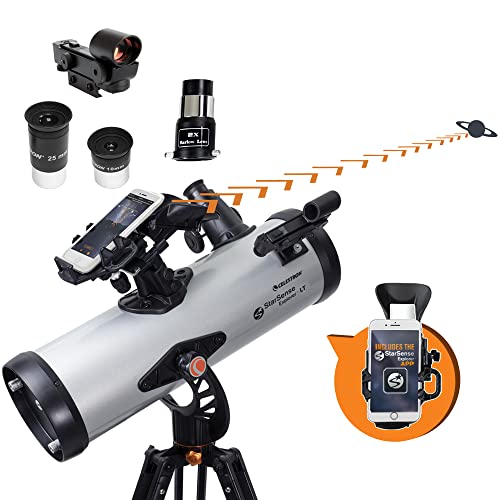
Celestron StarSense Explorer LT 114AZ Newtonian Smartphone Guided Telescope
- Smartphone-Powered Sky Tour: Easy star and planet locating with app
- Patented StarSense Technology: Sky recognition for precise navigation
- Curated Night Sky Targets: Top celestial objects based on your location
As an affiliate, we earn on qualifying purchases.
As an affiliate, we earn on qualifying purchases.
Factors Affecting Aurora Visibility Tonight
While the forecast predicts a geomagnetic storm capable of producing northern lights across 19 states, actual visibility will depend on local weather conditions, such as cloud cover and light pollution. It is also uncertain how bright and widespread the auroras will appear in each location, as these depend on the storm’s exact strength and Earth’s magnetic response. Some areas may see little to no aurora despite the forecast.
Scientists caution that space weather predictions are inherently uncertain, and actual observations may vary. Local authorities cannot guarantee visibility but are providing alerts based on the best available data.

Celestron SkyMaster 15×70 Astronomy Binoculars for Stargazing and Deep-Sky
- Magnification Power: 15x magnification for distant viewing
- Objective Lenses: 70mm large objective lenses
- Tripod Compatibility: Includes tripod adapter for stability
As an affiliate, we earn on qualifying purchases.
As an affiliate, we earn on qualifying purchases.
Monitoring and Viewing Recommendations for Tonight
Authorities and astronomers will continue to monitor geomagnetic activity overnight. Residents are encouraged to stay updated through NOAA alerts and local news. If conditions permit, viewers should seek dark, unobstructed areas away from artificial lights to observe the auroras. The event could last several hours, offering multiple opportunities for observation.
Further updates are expected as the storm’s effects unfold, and officials will advise on safety and viewing tips throughout the night.

Chasing Northern Lights: Over 1500 locations to view the Aurora Borealis!
As an affiliate, we earn on qualifying purchases.
As an affiliate, we earn on qualifying purchases.
Key Questions
When is the best time to see the northern lights tonight?
The best viewing time is expected during late evening to early morning hours, typically between 10 p.m. and 2 a.m., when geomagnetic activity peaks and skies are darkest.
Will the auroras be visible in urban areas?
Visibility in cities depends on light pollution levels. Clear, dark skies away from city lights will offer the best chance to see the auroras.
How strong will the northern lights be?
The forecast suggests a moderate geomagnetic storm, which could produce visible auroras over a wide area, but brightness and extent will vary by location and weather conditions.
Could this event be visible in southern states?
While the forecast primarily covers northern states, some southern areas with exceptionally dark skies and clear weather might see faint auroras, but it is unlikely in most southern locations.
Are there any safety precautions for viewing the auroras?
Viewers should find safe, dark, and open locations, avoid hazardous terrain, and dress warmly if viewing in cold conditions. Follow local advisories for any additional safety guidance.
Source: google-trends