
TL;DR

Prime made for students and young adults
- Fast, free delivery for dorm and study essentials
- Prime Video and Amazon Music included
- Member-only deals
The total solar eclipse over Spain on August 12, 2026, was a rare event, revealing the Sun’s glowing corona. It marked Spain’s first major eclipse since 1905 and offers lessons in eclipse photography and observation.
Imagine the sky darkening in the late afternoon, even though the sun is still high on the horizon. That surreal moment during the 2026 total eclipse over Spain turned daytime into twilight, sparking awe and curiosity. For many, it was the first time witnessing totality since 1905 — a celestial event that leaves a deep mark.
Whether you watched from the coast or the mountains, this eclipse wasn’t just about the darkening sky. It was a chance to glimpse the Sun’s mysterious corona, capture stunning images, and even contribute to science. Let’s explore what made this event so special, and how you can get ready for future celestial shows.
The 2026 eclipse was the first total eclipse visible from mainland Spain since 1905, lasting just over 2 minutes at best.
During totality, the Sun’s corona appears, revealing magnetic structures that help scientists understand solar heating.
Photographers should use multiple exposures and landscape framing to capture the corona’s full beauty, especially during low-horizon eclipses.
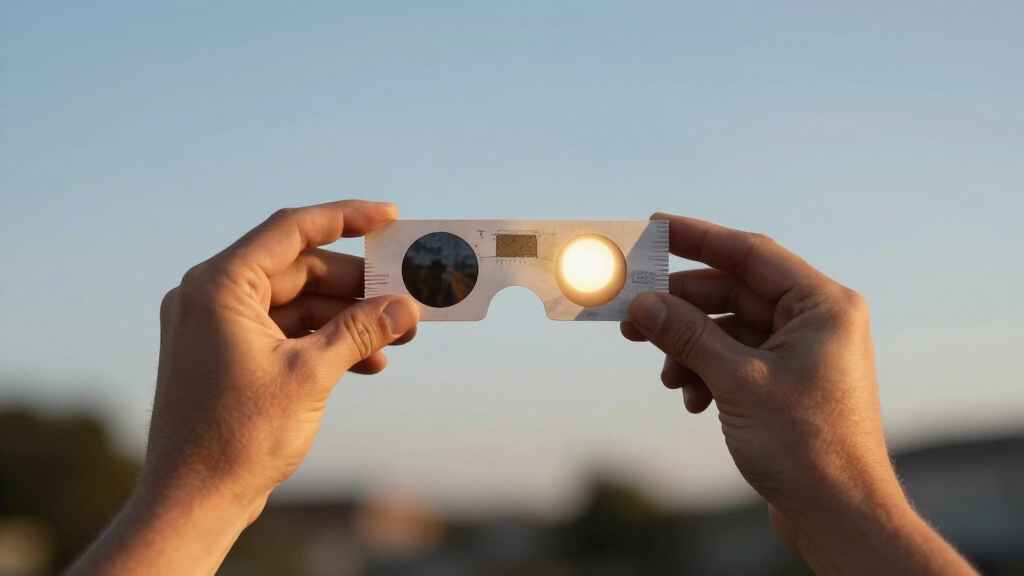
Safety gear like ISO-certified solar viewers is essential for partial phases, and filters must be replaced immediately after totality.
Spain will experience two more major solar events in 2027 and 2028, making it a prime location for eclipse enthusiasts.
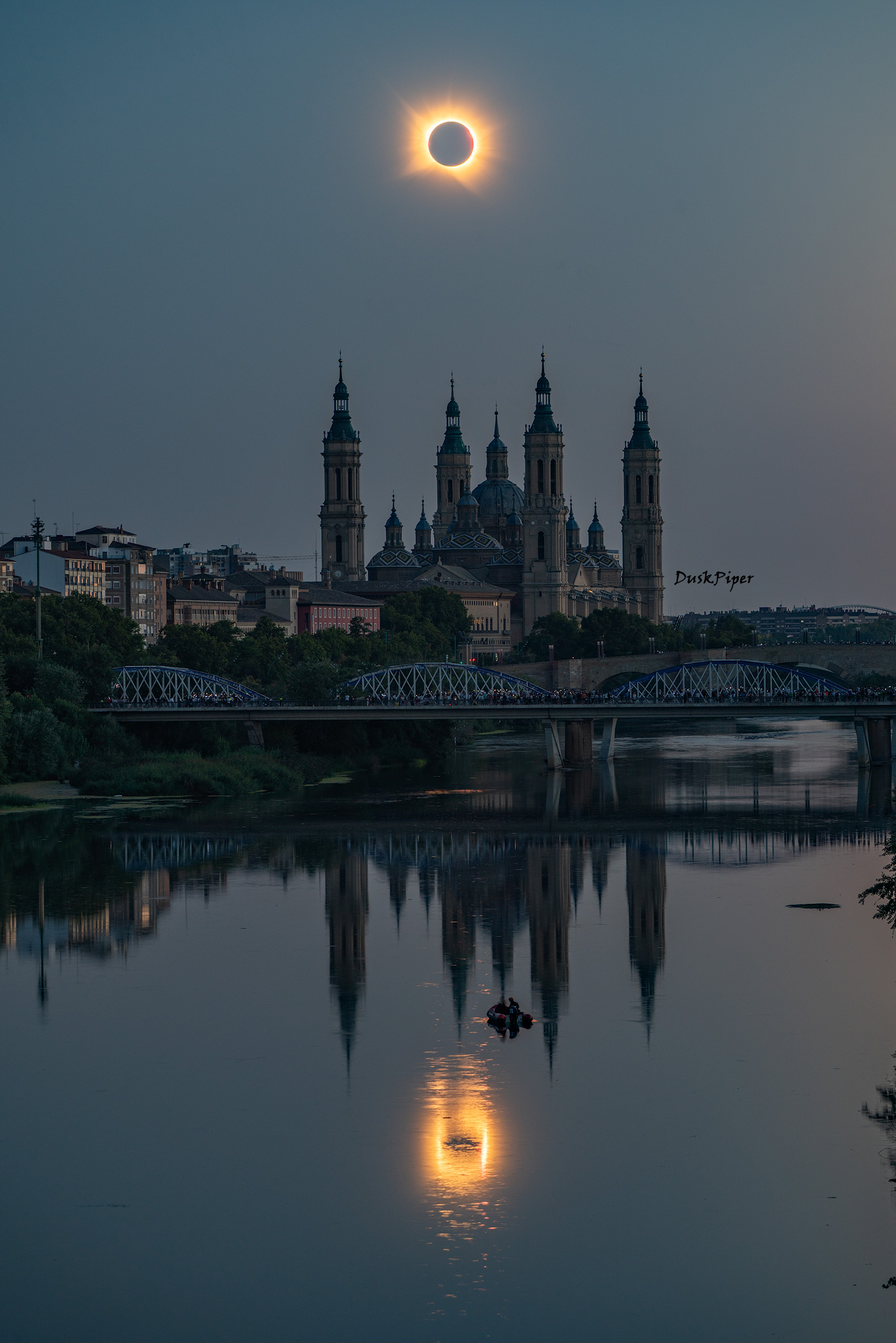
Why the 2026 eclipse was a once-in-a-century spectacle
The 2026 eclipse was remarkable because it was the first total eclipse visible from mainland Spain since 1905. That’s over 120 years of waiting for something that only lasts about 2 minutes 18 seconds at the best spot.
It traced a narrow path across the Arctic, Greenland, Iceland, and finally Spain, where it reached the evening sky. The Sun was low, casting a golden glow over the landscape, making every photo look like a scene from a dream.
This eclipse was part of Saros cycle 126, meaning it repeats every 18 years and 11 days, but its rarity in Spain made it uniquely memorable.
As an affiliate, we earn on qualifying purchases.
How the Sun’s corona stole the show during totality
During totality, the Moon blocks the Sun’s blinding surface, revealing the glowing corona — a shimmering, pearly halo that extends millions of miles into space. It’s the Sun’s outer atmosphere, hotter than the surface, and full of magnetic mysteries.
Photographers love capturing the corona’s long streamers and intricate shapes, which tell stories about the Sun’s magnetic field. Prominences — bright red loops of solar gas — sometimes pop out, adding vivid color to the scene.
For a few moments, the sky darkens, and the corona becomes the star of the show, glowing with a delicate, ethereal beauty that’s impossible to see any other way.
As an affiliate, we earn on qualifying purchases.
The challenge of capturing Spain’s low-horizon eclipse
Watching the eclipse from Spain’s western regions meant dealing with a low-hanging Sun, close to sunset. That creates both challenges and opportunities for photographers.
Hills, coastlines, and buildings could block the view, and atmospheric haze might tint the scene with warm colors. But this low angle also allowed stunning compositions with mountains or architecture framing the eclipse.
Pro tip: Use a wide-angle lens to include landscape features, and plan for clear, unobstructed horizons — especially over the coast or open plains.
As an affiliate, we earn on qualifying purchases.
Safety first: How to watch the eclipse without harming your eyes
Seeing the eclipse safely requires proper gear. Certified solar viewers meeting ISO 12312-2 are a must during partial phases. Never look directly at the Sun with sunglasses or unfiltered optics.
During totality, you can remove your filters — but only if you’re in the path of totality and it’s safe to do so. As soon as the Sun’s bright disk reappears, put your filters back on immediately.
Remember: safety is the top priority. Protect your eyes to enjoy this awe-inspiring event without risking damage.
As an affiliate, we earn on qualifying purchases.
Why sunset eclipses are rarer and harder to catch
Sunset total eclipses happen less often and are trickier to observe because they occur when the Sun is near the horizon. The low angle means atmospheric haze, haze, and clouds can obscure the view.
Plus, the timing is less convenient — many locations are darkening just as people are heading home or preparing for evening routines. That’s why the 2026 eclipse, with its late afternoon glow, was such a special sight.
For best results, pick high ground or open spaces with a clear western horizon.
How to photograph the Sun’s corona like a pro
Capturing the corona requires multiple exposures and stacking images to show both the bright inner structures and the faint outer streamers. A camera with manual controls and a long focal length lens (at least 200mm) makes a big difference.
Start with a short exposure to capture the bright core, then extend exposure times to reveal the delicate filaments and wisps. Use a sturdy tripod, and consider stacking images in editing software for a detailed composite.
Pro tip: Shoot in RAW format and bracket exposures to get the best dynamic range.
What makes this eclipse part of Spain’s ‘Iberian eclipse trio’
The 2026 eclipse is just the start of a celestial trilogy for Spain. In August 2027, a second total eclipse crosses southern Spain, and in January 2028, an annular eclipse graces the sky.
This sequence offers multiple chances to witness dramatic solar events in a short span, each with its own unique features — from full darkness to a fiery ring.
Mark your calendar and plan ahead — Spain’s skies are about to become a celestial playground.
Frequently Asked Questions
Why does a total solar eclipse happen?
A total solar eclipse occurs when the Moon passes directly in front of the Sun, perfectly aligned, and is large enough to completely cover the Sun’s disk from your vantage point. This alignment creates a brief shadow — the umbra — where totality occurs.
Why was the eclipse total in some places but partial elsewhere?
Only viewers inside the narrow path of the Moon’s shadow, called the umbra, see totality. Those outside that path fall into the penumbra, experiencing only a partial eclipse. The size and shape of the shadow determine who sees what.
How long did totality last in Spain?
Duration varied by location, but at its maximum, totality lasted about 2 minutes and 18 seconds near the eclipse’s greatest point. Closer to the edges of the path, it was shorter.
Why was the Sun so close to the horizon during the eclipse?
The eclipse’s path crossed Spain late in the day, just before sunset. This low angle created spectacular lighting but also posed challenges for clear horizons and atmospheric effects.
What is the solar corona?
The corona is the Sun’s outer atmosphere, a glowing halo of plasma that extends millions of miles into space. It’s much hotter than the surface and visible only during totality or with special instruments.
Conclusion
The 2026 total eclipse over Spain wasn’t just a fleeting shadow — it was a reminder of the universe’s grand choreography. The next time you see the Sun’s fiery crown glow during totality, you’ll realize it’s an invitation to look up and wonder.
Prepare your gear, choose your spot wisely, and savor every second of this cosmic show. The sky’s secrets are waiting, and they’re more breathtaking than you might imagine.
Fall Picks
fall essentials
As an affiliate, we earn on qualifying purchases.