
To find dark skies, look for rural areas, national parks, or designated dark sky parks far from city lights. Use online maps and resources that show light pollution levels to plan your trip. Aim for locations with minimal artificial lighting and good horizon views free of obstructions. Planning around new moon phases also enhances your chances of seeing more stars. If you want to discover the best spots, keep exploring these helpful tips.
Key Takeaways
- Use online dark sky maps and resources to identify areas with minimal light pollution.
- Prioritize rural locations, national parks, or designated dark sky parks for better visibility.
- Check sky quality ratings and measurements from organizations to ensure low light pollution levels.
- Plan viewing nights around a new moon to maximize star visibility and reduce moonlight interference.
- Avoid sites near artificial light sources and select locations with unobstructed horizons for clearer skies.

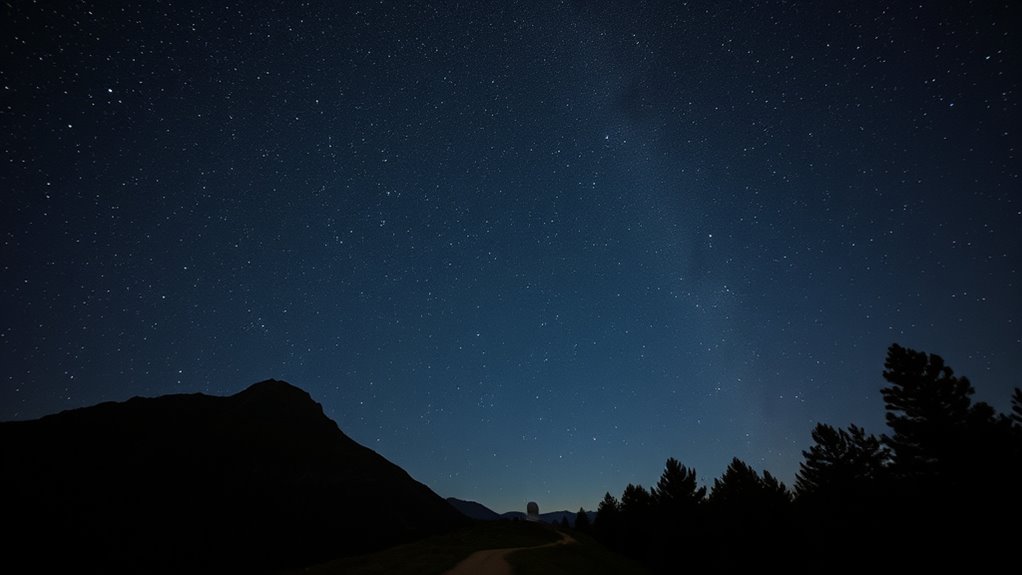
Have you ever looked up at a night sky filled with stars and wondered how to find a place free from light pollution? The answer lies in understanding how urban glow affects celestial visibility. As city lights grow brighter, they cast a diffuse glow across the sky, diminishing the brilliance of stars and planets. This urban glow creates a haze that obscures the finer details of the cosmos, making it difficult to see anything beyond the brightest objects. To avoid this, you need to seek out locations where artificial lighting is minimal or carefully shielded. Places far from city centers, such as rural areas, national parks, or designated dark sky parks, offer the best chance to escape the overwhelming urban glow. These spots typically have strict regulations on outdoor lighting, keeping the sky clear and dark enough to reveal thousands of stars that are invisible in more populated areas.
Planning your trip around known dark sky sites is essential if you want ideal celestial visibility. Use online resources and dark sky maps to identify areas with low light pollution levels. Many organizations measure sky quality and provide ratings that help you determine how dark a location truly is. When choosing a site, consider the horizon’s clarity—obstructions like trees or mountains can limit your view of the sky. Also, aim for nights with a new moon or minimal moonlight, as bright moon phases can further wash out faint stars and celestial objects. The less ambient light, the more stars you’ll see and the more vivid your experience will be. Remember, even small sources of light near your viewing spot—like flashlights or campfires—can diminish your celestial visibility, so bring red filters or cover lights to preserve night vision. Additionally, understanding the impact of light pollution can help you better plan your stargazing adventures.
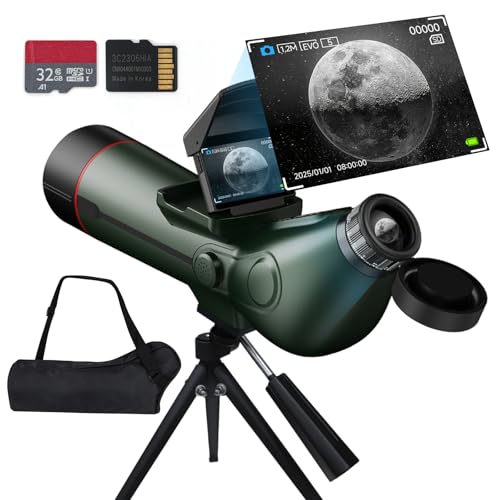
Smart Telescope, Professional Refractor Auto-focus Portable Digital Electronic Telescopes with 4K Astrophotography Camera, Internal And Externat Dual Screens Spotter for Adults and Beginners Astronomy
Exceptional Optical Performance:Equipped with a powerful 80mm aperture and 300mm focal length (f/8.89), this telescope for adults delivers...
As an affiliate, we earn on qualifying purchases.
Frequently Asked Questions
How Does Weather Affect Visibility of Dark Skies?
Weather critically impacts your ability to see dark skies. Cloud cover blocks starlight, making it impossible to enjoy clear views, while atmospheric haze scatters light and reduces contrast, dulling the night sky’s beauty. On clear, dry nights with minimal haze, you’ll experience the best visibility. So, always check the weather forecast before heading out to guarantee minimal cloud cover and haze, giving you the clearest, most spectacular night sky experience.
Are There Specific Times of Year Best for Stargazing?
The best times for stargazing are during new moon phases when darkness deepens, allowing stars to shine brightest like diamonds in the night sky. Spring and fall often offer clearer skies, free from summer haze or winter clouds. Keep an eye on celestial events like meteor showers and planetary alignments, which turn the sky into a grand theater. Planning around these times guarantees your stargazing experience is truly stellar.
How Can I Find Local Dark Sky Parks or Reserves?
You can find local dark sky parks or reserves by checking light pollution mapping websites like Dark Sky Finder or Globe at Night, which show areas with minimal light pollution. Also, consult local dark sky regulations to guarantee you’re visiting designated protected zones. These tools and rules help you identify spots where the night sky remains clear and vibrant, perfect for stargazing away from artificial glow.
What Equipment Enhances Viewing in Low-Light Conditions?
To improve your viewing in low-light conditions, invest in quality telescope accessories like wide-field eyepieces and filters to increase light capture. You might also consider a night vision device, which amplifies ambient light for clearer images. These tools help you see more detail and enhance your overall experience under dark skies. Remember to keep your equipment well-maintained and practice using it in low-light environments for peak results.
Are There Mobile Apps to Help Locate Dark Sky Areas?
Yes, you can find mobile apps that act like your personal star map. These apps feature light pollution maps, helping you pinpoint dark sky locations effortlessly. They often include real-time data, telescope integration, and star charts, making your night sky adventures smoother. With just a few taps, you’re guided to areas with minimal light pollution, ensuring you escape the city glow and enjoy a clearer, more breathtaking view of the cosmos.

ZWO Seestar S50 Smart Digital Telescope All-in-One Autofocus Portable for Beginners and Experienced Users-Open Box Like-New Condition Telescope
Lightweight Design: highly integrated all-in-one smart telescope. Seestar is a compact body that integrates a telescope, electrical focuser,...
As an affiliate, we earn on qualifying purchases.
Conclusion
Now that you know how to find dark skies, you’ll enjoy stargazing like never before. Did you know that over 80% of the world’s population lives under light-polluted skies? By choosing remote locations, you can escape the glow and witness the night’s true beauty. So, plan your trips carefully, and get ready to marvel at the stars — a breathtaking experience that’s well worth the effort. Clear skies await!

ZWO Seestar S30 All-in-One Smart Digital Telescope/Camera Compact and Portable Travel Companion for Astronomy Enthusiasts & Casual Stargazers
Ultra‑Portable & Automatic Star-Finding, Tracking, Shooting: Weighing no more than a bottle of soda, yet it’s a professional...
As an affiliate, we earn on qualifying purchases.
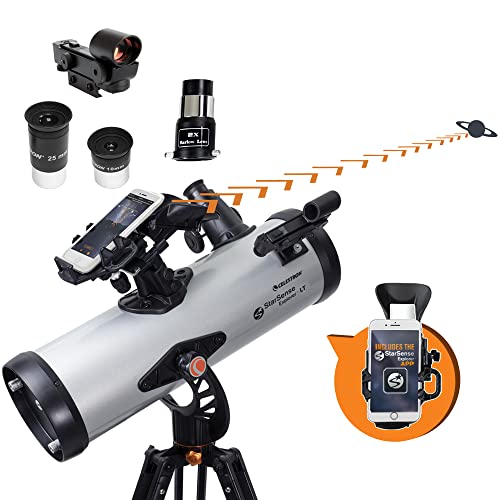
Celestron StarSense Explorer LT 114AZ App-Enabled Telescope – 114mm Newtonian Reflector with Smartphone Dock & StarSense App – iPhone & Android Compatible – Easy-to-Use for Beginners
SMARTPHONE-POWERED SKY TOUR: No experience needed! Just dock your phone, launch the StarSense Explorer app, and follow the...
As an affiliate, we earn on qualifying purchases.