
TL;DR

Prime made for students and young adults
- Fast, free delivery for dorm and study essentials
- Prime Video and Amazon Music included
- Member-only deals
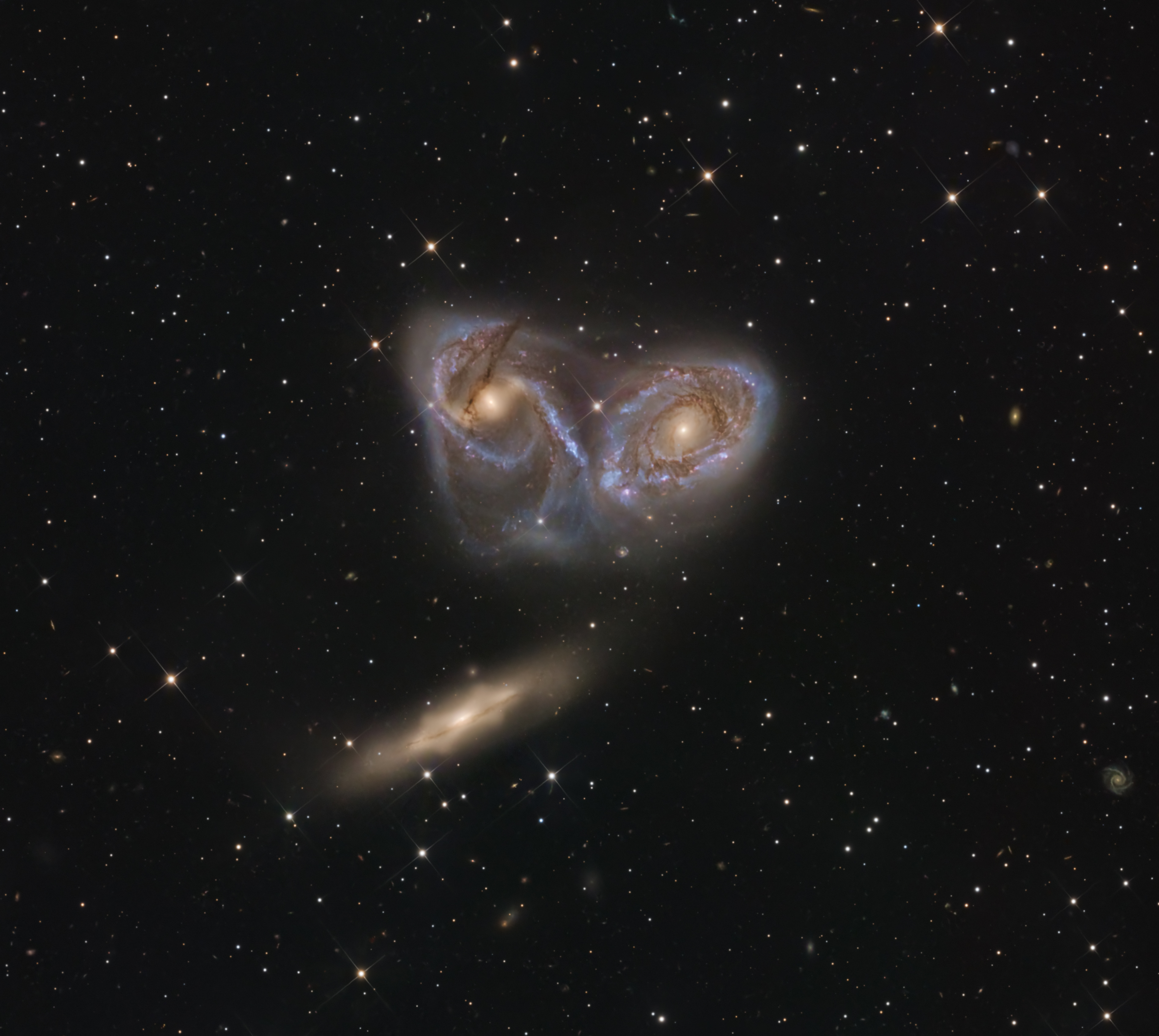
A triplet of galaxies in Pavo, 190 million light-years away, offers a vivid glimpse into galaxy collisions and evolution. Their detailed images reveal complex structures, helping us understand cosmic growth and future mergers.
Imagine three colossal cosmic whirlpools, their spiral arms tangled by gravity, locked in a slow, spectacular dance billions of miles away. That’s what NASA captured in the image of the three galaxies in Pavo—each a sprawling city of stars, dust, and dark matter. This scene isn’t just a pretty picture; it’s a snapshot of a universe in motion, revealing the raw beauty and complex forces shaping galaxy evolution.
In this story, you’ll learn why these galaxies are fascinating, how astronomers study their collision course, and what this distant dance tells us about the fate of galaxies like our own Milky Way. From the shimmering blue star clusters to the dusty lanes obscuring their centers, these galaxies are cosmic storytellers—writing the history of the universe in their shapes and motions.
The three galaxies in Pavo reveal a cosmic dance of gravitational interaction, destined to merge into a larger galaxy over hundreds of millions of years.
Their diverse shapes—spiral face-on and edge-on—show different stages and effects of galaxy evolution and collision.
Advanced telescopes and long exposures bring out intricate details like dust lanes and star clusters, even from Earth’s surface.
Studying galaxy groups like this helps us understand the large-scale structure and future evolution of the universe.
You can observe these galaxies with modest equipment if you have dark skies and patience—imaging reveals their hidden beauty.
What Makes These Galaxies in Pavo So Special to Watch?
The galaxies in Pavo are a cosmic tableau painted across 190 million light-years of space. Their diverse shapes—the large, face-on spirals NGC6769 and NGC6770, and the edge-on NGC6771—show how different galaxy types evolve and interact. These differences aren’t just cosmetic; they reflect the varying evolutionary paths taken by galaxies, influenced by their environments and past encounters. Recognizing these features helps us understand the profound impact of gravitational interactions—how they can trigger star formation by compressing gas, distort galactic structures, or strip galaxies of their gas reservoirs, effectively halting star production. These processes are fundamental because they dictate a galaxy’s future: whether it continues to grow, becomes quiescent, or transforms into a completely different form. Observing these features allows astronomers to reconstruct a galaxy’s past interactions and predict its future evolution, revealing the delicate balance of forces that shape the universe’s architecture. This understanding underscores that galaxy evolution isn’t a static process but a dynamic interplay driven by gravity, environment, and cosmic history, with each interaction leaving an indelible mark on their structure and star formation activity.
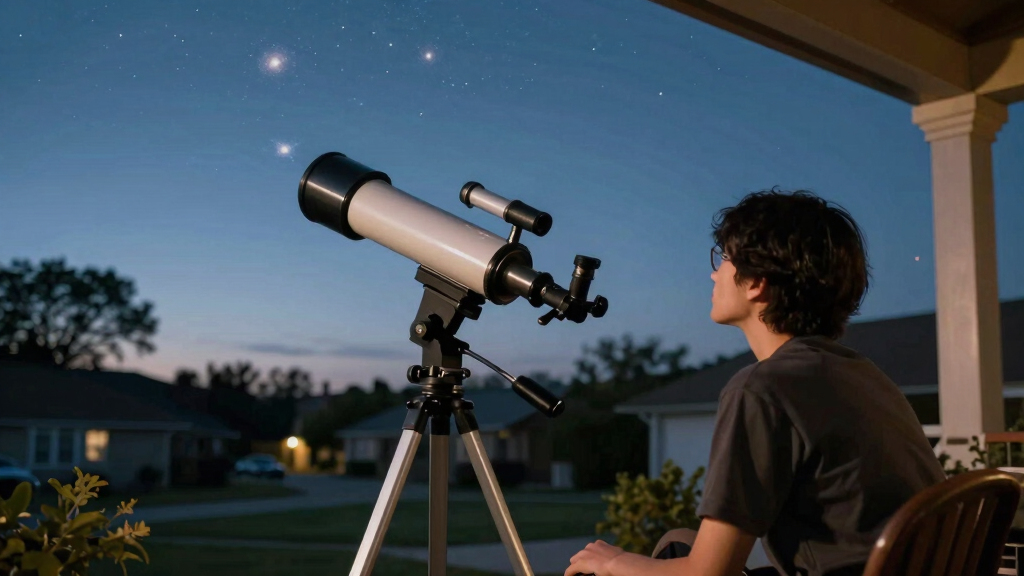
To see this from Earth, you’d want a wide-field telescope, like a small to mid-sized amateur setup, especially under dark skies. The rich textures—dust lanes, star clusters—are best captured with longer exposures. These details aren’t just aesthetic; they are the clues that help astronomers decipher the distribution of matter, the sites of ongoing star formation, and the gravitational influences at work. Recognizing these features in your own observations connects you directly to the universe’s ongoing story of formation and transformation, bringing a deeper appreciation of how cosmic forces shape the galaxies over billions of years.
Practical tip: Use a telescope with a focal length around 500-800mm and a fast, wide-angle camera. A good night with minimal moonlight, plus stacking multiple images, can reveal these galaxies’ intricate details—like the blue star clusters on the spiral arms, which are young stellar populations born from the turbulence of cosmic collisions. Such observations not only satisfy curiosity but also contribute to understanding galaxy evolution, as amateur astronomers effectively become witnesses to the ongoing cosmic dance that has been shaping the universe for billions of years.
amateur telescope for galaxy observation
As an affiliate, we earn on qualifying purchases.
As an affiliate, we earn on qualifying purchases.
How Do These Galaxies Interact and What Will Happen Next?
These three galaxies are caught in a gravitational tug-of-war, slowly drawn together over millions of years. Their distorted shapes—disrupted disks, star streams, and tidal tails—are the visible scars of these interactions, serving as cosmic fingerprints of their tumultuous pasts. These features matter because they demonstrate how gravity acts as the universe’s sculptor—reshaping galaxies through collisions and tidal forces. Such interactions are not merely chaotic; they are fundamental to galaxy evolution, often triggering bursts of star formation as gas clouds collide and compress, leading to the birth of new stars. This process also feeds central black holes, potentially igniting active galactic nuclei that shine brightly as the black hole consumes matter. Over cosmic time, gravitational forces will cause these galaxies to merge into a single, larger galaxy, significantly altering their morphology—possibly transforming spiral structures into elliptical forms. These mergers influence the size, shape, and stellar populations of the resulting galaxy, contributing to the diversity we observe today. Recognizing signs of these interactions helps astronomers understand how galaxies grow and evolve—each collision and merger a step in the universe’s grand design. Studying these processes offers insights into our own galaxy’s future: the Milky Way is destined to merge with Andromeda in about 4.5 billion years, a cosmic event similar in nature but on a much larger scale. These observations reveal that galaxy evolution is a continuous, dynamic process driven by gravity, where each interaction leaves a lasting imprint—shaping the universe’s structure over billions of years.
The blue star clusters along the spiral arms are more than just beautiful features; they are tangible evidence of recent interactions. Their presence indicates regions where gas clouds have been compressed and triggered new star formation, often as a direct result of gravitational disturbances. As these galaxies dance closer, they will exchange gas and stars, leading to a complex interplay that ultimately results in a more massive, often more elliptical galaxy. This ongoing process exemplifies the cosmic cycle of destruction and creation—where chaos spurs new order. Recognizing these signs of interaction is crucial because it helps us understand that galaxy evolution is a long-term, dynamic process, unfolding over hundreds of millions to billions of years. Each collision leaves behind a legacy—distorted shapes, starburst regions, and tidal streams—that serve as clues to their past and hints of their future. By studying these processes, astronomers piece together how galaxies transform, revealing that the universe is a constantly evolving tapestry woven by gravity’s persistent influence, with each event contributing to the larger cosmic story, including the eventual fate of our own galaxy.
wide-field astrophotography telescope
As an affiliate, we earn on qualifying purchases.
As an affiliate, we earn on qualifying purchases.
Compare the Galaxies: Spiral, Elliptical, and Irregular Types
| Feature | NGC6769 & NGC6770 (Face-on Spirals) | NGC6771 (Edge-on Spiral) | Typical Elliptical |
|---|---|---|---|
| Shape | Round, disk-like with visible spiral arms | Flat, elongated, viewed from the side | Rounded, featureless, smooth |
| Star Formation | Active, bright blue clusters along arms | Less active, older stars dominate | Minimal, mostly older stars |
| Dust and Gas | Abundant, visible as dark lanes | Less prominent, obscuration along the disk | Rarely significant |
| Interaction Signs | Distorted arms, tidal streams | Boxy bulge, tidal tails | Usually calm, no distortion |
This comparison isn’t just about classification; it reveals the evolutionary stories behind these galaxy types. The face-on spirals are actively shaping their future through ongoing interactions and internal dynamics—star formation regions and tidal features are signs of their restless nature. The edge-on galaxy, with its dusty disk and obscured core, suggests a different evolutionary stage or environmental influence, possibly indicating past interactions that have stabilized its structure. Elliptical galaxies, often the remnants of major mergers, are the universe’s quiet survivors—smooth, featureless, and dominated by older stars. Recognizing these differences helps astronomers decode the complex life cycles of galaxies, understanding that morphology is a snapshot of ongoing processes—shaped by gravitational interactions, accretion, and internal evolution over billions of years. These distinctions emphasize that galaxy shapes are not static; they are constantly molded by their environment and history, providing critical insights into cosmic evolution and the interconnectedness of galaxy populations across the universe.
star cluster and galaxy binoculars
As an affiliate, we earn on qualifying purchases.
As an affiliate, we earn on qualifying purchases.
Practical Tips for Stargazing and Photographing These Galaxies
If you want to glimpse the Pavo galaxies yourself, start with a dark sky and a stable mount. Use a wide-field telescope with a focal length around 600mm. Expose for 2-4 minutes, stacking multiple shots to bring out faint dust lanes and star clusters. Patience is key—these galaxies are bright enough for amateur gear but require careful setup. The process of stacking images enhances the signal-to-noise ratio, allowing faint features like tidal streams and star-forming knots to emerge more clearly. This technique is essential because many of the subtle details that reveal the galaxies’ interaction history—such as faint bridges of stars or delicate dust lanes—are often hidden in single exposures. By practicing patience and precision, you can produce images that not only impress but also deepen your understanding of the dynamic processes shaping these galaxies. Remember, optimal conditions involve clear, moonless nights at high-altitude sites, where stable air minimizes atmospheric distortion. Investing in proper calibration, focusing, and post-processing will help you capture the intricate beauty of these distant systems, turning your observations into meaningful insights into cosmic evolution.
As an affiliate, we earn on qualifying purchases.
Frequently Asked Questions
Can I see these galaxies with my amateur telescope?
Yes, with a wide-field telescope and dark skies, you can capture images of the galaxies in Pavo. They appear as faint, elongated smudges, but long exposures and stacking can reveal more detail, like dust lanes and star clusters.How far away are these galaxies in Pavo?
They are approximately 190 million light-years from Earth. Their distance places them well beyond our galaxy, in a distant corner of the universe, yet their light still reaches us, telling their story.What does their distorted shape tell us about their history?
Their irregular and stretched shapes are signs of gravitational interactions—collisions, tidal forces, and ongoing mergers. These signs reveal a dynamic history of galactic growth and transformation over cosmic timescales. Recognizing these signs is essential because they serve as cosmic clues—each distortion and tidal tail is a chapter in a galaxy’s story, indicating recent interactions or mergers that can drastically alter their future. Understanding these signs allows astronomers to reconstruct past events and predict future changes, emphasizing that galaxies are not static objects but active, evolving systems. These insights help us comprehend the complex processes that drive galaxy evolution and the large-scale structure of the universe, highlighting that every distorted shape is a signpost of cosmic history in action.Will these galaxies eventually merge into one?
Yes, gravitational attraction will pull the three together over millions of years, eventually forming a single, larger galaxy. This process mirrors many galaxy mergers that shaped the universe’s grand architecture. Such mergers are fundamental to the formation of massive elliptical galaxies and galaxy clusters, demonstrating the universe’s ongoing growth and evolution. Understanding this process illustrates that galaxy mergers are natural outcomes of gravitational dynamics, and they play a crucial role in the cosmic lifecycle—transforming structures, redistributing stars and gas, and contributing to the diversity of galaxy types we observe today.What tools do astronomers use to study such distant galaxies?
They rely on large telescopes, both ground-based and space-based, equipped with spectrometers and high-resolution cameras that can detect faint light and analyze the composition, motion, and structure of these galaxies in detail. These instruments enable astronomers to measure velocities, chemical compositions, and star formation rates, providing insights into their past interactions and future evolution. Advanced observatories like the Hubble Space Telescope and large ground-based arrays allow detailed imaging and spectroscopic analysis, which is essential for unraveling the complex history encoded in the galaxies’ structures. These tools are vital for understanding the processes that shape galaxies, such as mergers, accretion, and feedback from star formation and black holes, ultimately helping us piece together the universe’s grand story of cosmic evolution.Conclusion
These galaxies in Pavo aren’t just distant smudges in the sky—they’re cosmic stories unfolding in real time, telling us how galaxies grow, collide, and shape the universe. Their intricate structures, visible even in a single snapshot, remind us that the universe’s grand design is both beautiful and inevitable.
Next time you gaze upward, imagine these galaxies slowly merging, their stars blending into a new cosmic masterpiece—a reminder that even the vastness of space is alive with motion and transformation. Keep looking up. The universe’s story is ongoing, and you’re part of it.
Halloween Picks
halloween
As an affiliate, we earn on qualifying purchases.