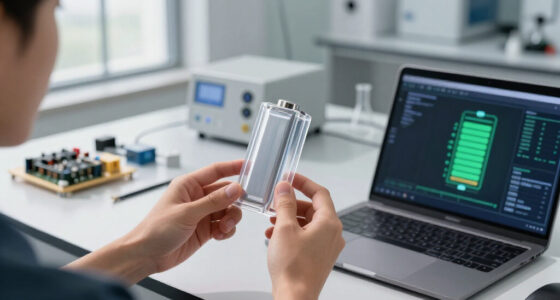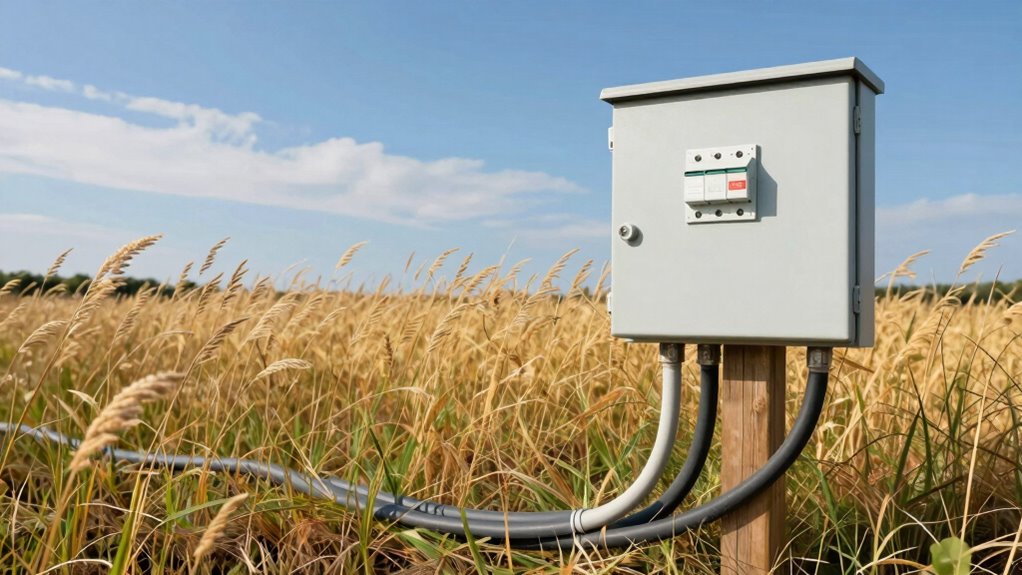

To prevent frying your expensive gear, you need to follow proper field power safety practices. Regularly inspect and maintain cords, tools, and batteries to catch damage early. Use organized cables and avoid overloads or daisy-chaining outlets. Always connect and disconnect cables carefully, and rely on GFCIs in wet areas. Monitoring power loads helps prevent surges, and wearing proper PPE keeps you safe. Keep safety protocols current—continue exploring how to protect your equipment effectively.
Listen free for 30 days with Audible
Thousands of audiobooks and originals — cancel anytime.
As an affiliate, we earn on qualifying purchases.
Key Takeaways
- Regularly inspect and maintain power cords, connectors, and tools to detect damage before use.
- Properly manage cables to prevent tripping hazards and accidental disconnections.
- Use GFCIs in moist environments to protect against ground faults and electrical shocks.
- Avoid overloading circuits by monitoring power loads and distributing devices evenly.
- Ensure proper grounding and follow safety protocols during connection and disconnection procedures.
As an affiliate, we earn on qualifying purchases.
Why Proper Field Power Safety Matters for Your Equipment
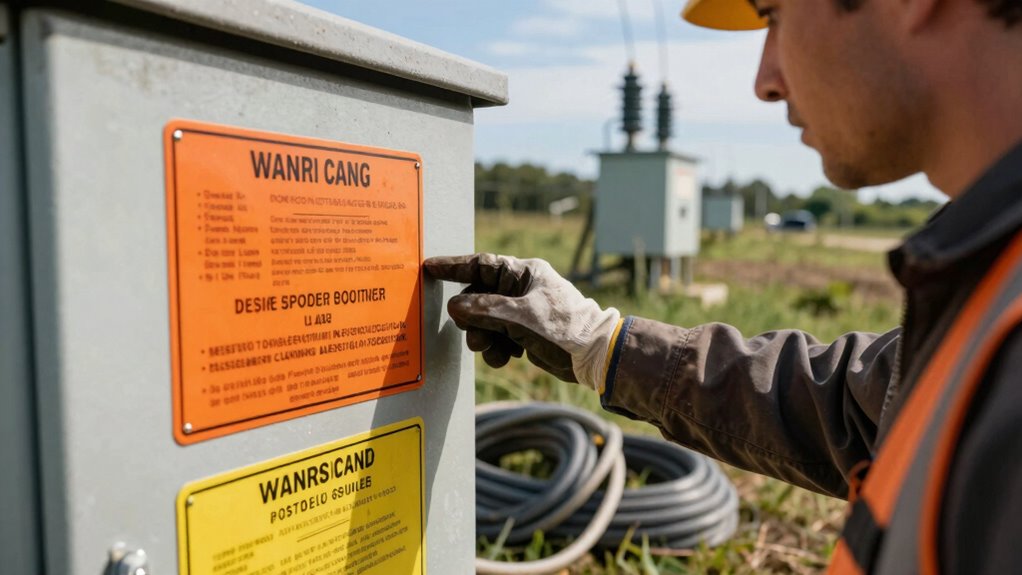
Why Proper Field Power Safety Matters for Your Equipment
Proper field power safety is essential because it directly impacts the longevity and performance of your equipment. Following correct grounding procedures guarantees that any stray electrical currents are safely directed into the ground, reducing the risk of shocks and equipment damage. Additionally, understanding how to manage power sources effectively can prevent potential issues before they arise. Battery safety is equally important; handling batteries carefully prevents leaks, explosions, or fires that could ruin your gear or harm you. Always check that connections are secure and insulated properly, especially when working with high-voltage systems. Incorporating eco-friendly practices in your power setup can also contribute to a safer and more sustainable environment. Neglecting these safety practices can lead to costly repairs, downtime, or serious injury. By prioritizing grounding procedures and battery safety, you protect your equipment’s integrity and ensure reliable performance in the field. Staying vigilant in these areas keeps both you and your gear safe. Additionally, incorporating smart automation into your safety protocols can enhance monitoring and alert you to potential hazards before they escalate. Remember that maintaining proper form in your equipment usage can also contribute to safety and efficiency. Understanding the importance of work-life harmony can help you manage your time more effectively, reducing stress and improving overall safety in the field.
field power extension cord with surge protection
As an affiliate, we earn on qualifying purchases.
As an affiliate, we earn on qualifying purchases.
How to Identify Electrical Hazards in the Field
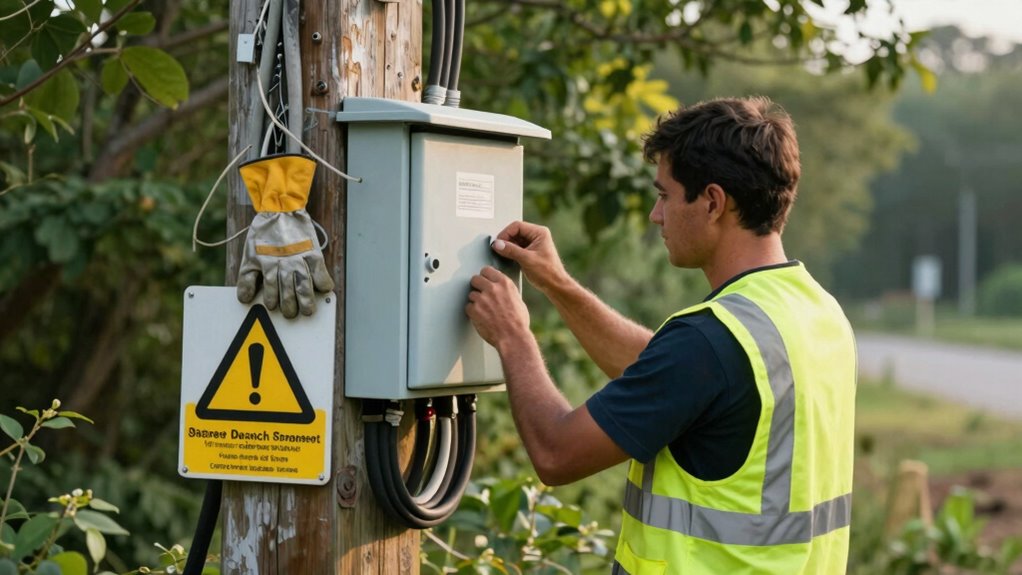
To identify electrical hazards in the field, you need to look for visible damage like frayed wires or scorch marks. It’s also essential to assess environmental risks, such as wet or damp conditions that increase the danger. Recognizing these signs helps you take quick action to prevent accidents and keep everyone safe. Additionally, understanding the average output of bike generators can inform you about potential energy hazards in your surroundings. Moreover, being aware of regional flavors in coffee and tea culture can enhance your focus and decision-making under pressure.
Recognize Visible Damage Signs
Electrical hazards often reveal themselves through visible damage on equipment and wiring. Look for signs like scorch marks, melted insulation, frayed wires, or cracked connectors. Damage detection is essential to prevent accidents and equipment failure. Pay attention to color coding, which helps identify improper wiring or damaged insulation, indicating potential hazards. Additionally, having essential DIY tools can aid in maintaining and repairing equipment safely. Understanding digital concepts is crucial for enhancing the safety protocols in your field operations. Incorporating Bollywood industry standards can also provide insights into best practices for safety and maintenance.
- Discolored or burnt insulation
- Frayed or exposed wires
- Cracks or breaks in connectors
- Fused or melted components
- Unusual bulges or deformities in cables
Additionally, utilizing hydrotherapy techniques can aid in recovery from injuries sustained in the field.
Assess Environmental Risks
Sure! Here’s the revised content with the requested changes:
—
How can you spot environmental factors that pose electrical hazards in the field? Conducting a thorough risk assessment helps identify environmental hazards that could lead to electrical issues. Look for wet or damp areas, standing water, or excessive moisture, which increase the risk of short circuits. Wind, rain, or snow can also damage equipment or cause accidental contact with live wires. Additionally, engaging in sound healing practices can enhance focus and reduce stress while working in challenging environments. Understanding how to manage firewood safely is also crucial, as improper handling can create additional hazards. Keep an eye on unstable ground or uneven surfaces that might lead to falls or equipment tipping. Additionally, consider how color accuracy in your equipment setup can be affected by environmental conditions, impacting overall performance. Understanding risk management strategies can further help in mitigating potential electrical hazards. Creating comfortable, welcoming environments is essential to ensure safety while working in the field.
| Environmental Hazard | Potential Risk | Precautionary Measure |
|---|---|---|
| Wet/damp areas | Short circuits | Use waterproof gear |
| Weather conditions | Equipment damage | Monitor forecast |
| Uneven surfaces | Trips/falls | Secure equipment |
—
Let me know if you need further modifications!
grounding tester for electrical equipment
As an affiliate, we earn on qualifying purchases.
As an affiliate, we earn on qualifying purchases.
Inspect and Maintain Your Power Tools Before Use
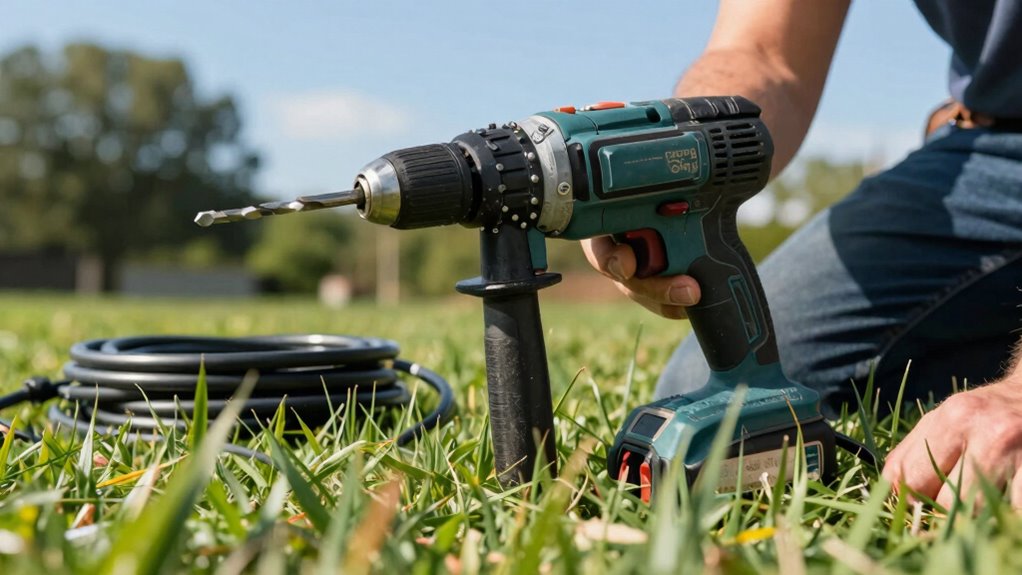
Before you start using your power tools, it’s essential to inspect and maintain them to guarantee safe operation. Check for damaged cords and ensure proper cord organization to prevent tripping hazards or accidental pulls. Inspect batteries for corrosion, proper charge levels, and secure attachment to avoid malfunctions. Additionally, ensure that your ride clothes are clean and free from obstruction to maintain your comfort and safety while working. Examine blades, bits, or attachments for wear or damage, replacing or sharpening as needed. Clean dust and debris from vents and switches to prevent overheating. Confirm that safety features, like guards and switches, are functioning correctly. Regular maintenance not only prolongs your tools’ lifespan but also reduces the risk of electrical faults or accidents on-site. Taking these simple steps keeps your workspace safe and your gear in peak condition, saving you time and money. Additionally, consider adjusting vinyl cutter settings to ensure optimal performance for your projects. Incorporating top car protection methods can further protect your valuable equipment from unexpected damage. Prioritizing early socialization and training for your tools ensures they operate smoothly and reliably throughout their use. Furthermore, practicing self-awareness about your emotional state can enhance your focus and decision-making during maintenance tasks.
As an affiliate, we earn on qualifying purchases.
Properly Connect and Disconnect Power Cables

Ensuring power cables are properly connected and disconnected is key to maintaining a safe work environment. Start by practicing good cable management; keep cords organized and off the ground to prevent tripping hazards. When using power extensions, avoid overloading outlets or daisy-chaining multiple cords, which can cause overheating. Always disconnect by gripping the plug, not the cable, to prevent damage. Before plugging in or unplugging, make sure equipment is turned off to avoid electrical surges. Check for frayed or damaged cables regularly and replace them immediately. Properly managing cables and power extensions reduces the risk of accidental disconnections, shorts, and potential electrical fires. Keeping these practices in mind ensures safety and protects your gear from costly damage. Additionally, using extension cord standards can help ensure that your equipment is compatible and safe for use. Using essential oils like eucalyptus oil can also promote a calming environment, reducing stress during electrical work. Using proper cable management not only helps maintain organization but also enhances overall safety in the workspace.
How GFCIS Keep You Safe From Electrical Shocks
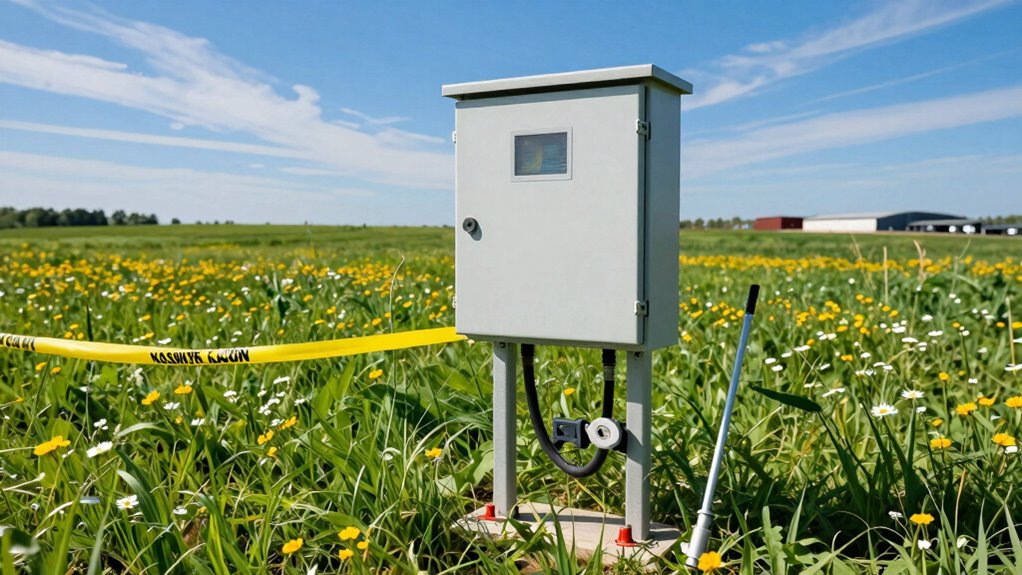
Ground Fault Circuit Interrupters (GFCIs) are essential safety devices that protect you from electrical shocks by quickly shutting off power when they detect a ground fault. Proper GFCI installation is critical in areas prone to moisture or contact with water, where electrical shock risks increase. When a ground fault occurs, such as a leakage of current to the ground, GFCIs detect even tiny differences in current and trip within milliseconds, preventing harm. To maximize safety, make sure GFCIs are used in outdoor outlets, bathrooms, kitchens, and other wet environments. Regular testing and maintenance are indispensable. Key benefits include:
- Rapid detection of ground faults
- Prevention of electrical shocks
- Easy GFCI testing procedures
- Compatibility with various circuit types
- Enhanced safety in moist environments
Manage Power Loads to Avoid Overloading Circuits
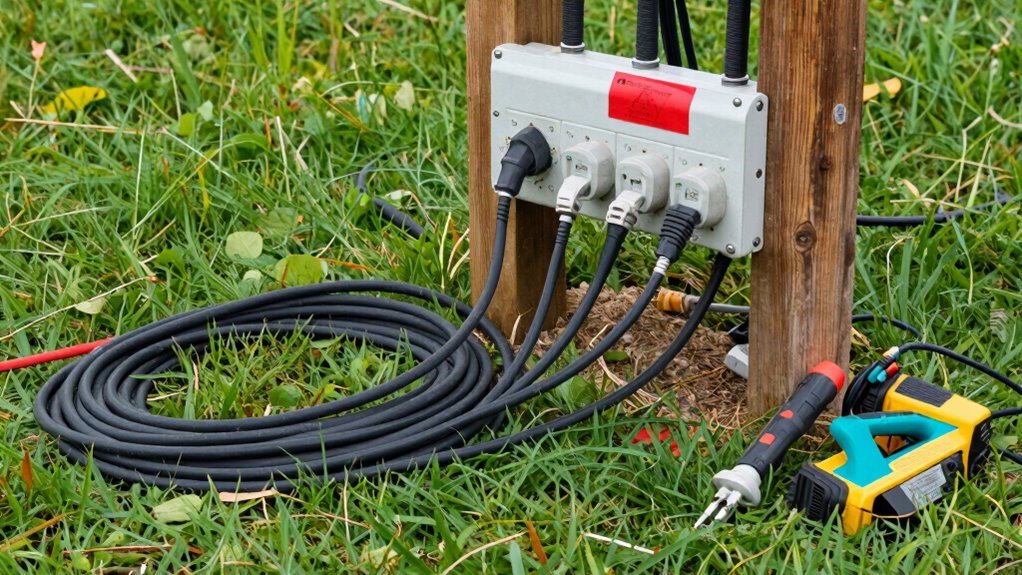
To keep your circuits safe, you need to monitor their capacity and avoid overloading them. Distributing power efficiently guarantees no single circuit bears too much load, reducing the risk of failures. Staying aware of these points helps prevent dangerous overloads on your electrical system.
Monitor Circuit Capacity
Keeping track of your circuit capacity is essential for preventing overloads that can cause outages or fires. Regularly monitor current draw to assure you stay within safe limits, avoiding stress on your wiring and devices. Proper voltage regulation is key, as fluctuations can damage equipment, so verify your power sources are stable. Use circuit protection devices like breakers or fuses to automatically shut off power if limits are exceeded. Keep an eye on the total load, factoring in all connected equipment, to prevent overloads.
- Calculate total wattage of connected devices
- Check circuit breaker ratings regularly
- Avoid plugging high-power gear into shared outlets
- Use smart meters for real-time load monitoring
- Adjust loads before reaching capacity limits
Distribute Power Efficiently
Efficient power distribution is essential for preventing circuit overloads and ensuring safe operation. You should carefully manage your battery and power source compatibility to avoid stressing circuits. Proper battery management involves monitoring charge levels and avoiding over-discharge, which can cause surges. Always verify that your power sources can handle the load of connected equipment; mismatched power source capacity leads to overloads and potential damage. Distribute power evenly across outlets and circuits, avoiding concentration of high-demand devices on a single circuit. Use power strips with built-in overload protection when necessary, and regularly check connections for signs of wear. By managing your power loads effectively, you reduce the risk of circuit failure and protect your valuable gear from costly damage.
Signs of Electrical Damage in Equipment
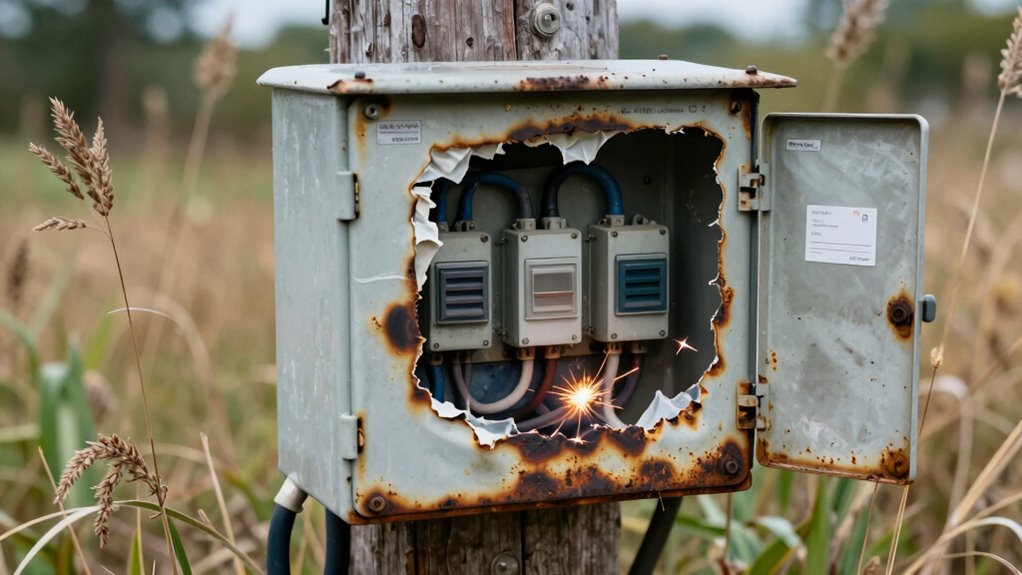
Electrical damage in equipment often manifests through visible signs that indicate underlying issues. You should regularly check for burnt or discolored components, melted insulation, or unusual smells, which can signal overheating or electrical faults. Damage may also appear as inconsistent operation or frequent tripping of circuit breakers. To catch problems early, perform grounding techniques properly and conduct insulation testing, guaranteeing no current leaks or compromised insulation. Look for corrosion or rust on terminals and connectors, which weaken electrical connections. Additionally, listen for buzzing or crackling sounds that suggest arcing or short circuits. Recognizing these signs helps prevent further damage and assures safety. Regular inspections with a keen eye for these indicators can save your equipment and keep your worksite safe.
Safe Handling Procedures and PPE for Electrical Work
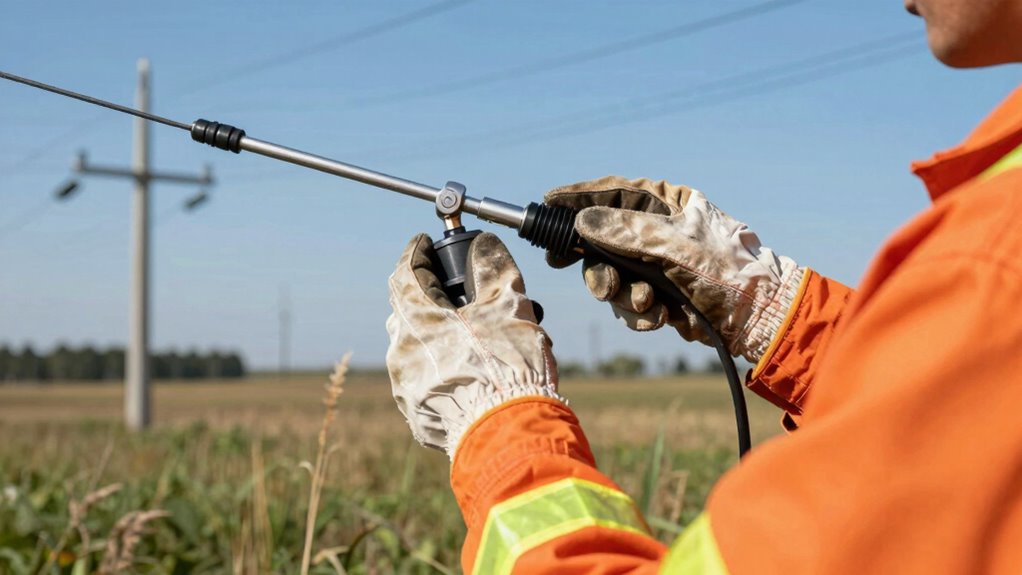
Have you ever wondered what the safest way to handle electrical work is? It starts with understanding proper safe handling procedures and wearing the right Personal Protective Equipment (PPE). Always inspect your PPE before use, ensuring it’s free of damage. When working with electrical systems, keep your gloves, insulating mats, and face shields on at all times. Maintain a safe distance from live wires and de-energize equipment whenever possible. Use insulated tools to prevent accidental shocks. Remember, proper safe handling isn’t just about equipment; it’s about your awareness and caution. Following established safety protocols minimizes risks and protects you from dangerous electrical hazards. Prioritize PPE and safe handling practices to keep yourself safe on every electrical job site.
How to Create a Power Safety Checklist for Every Job
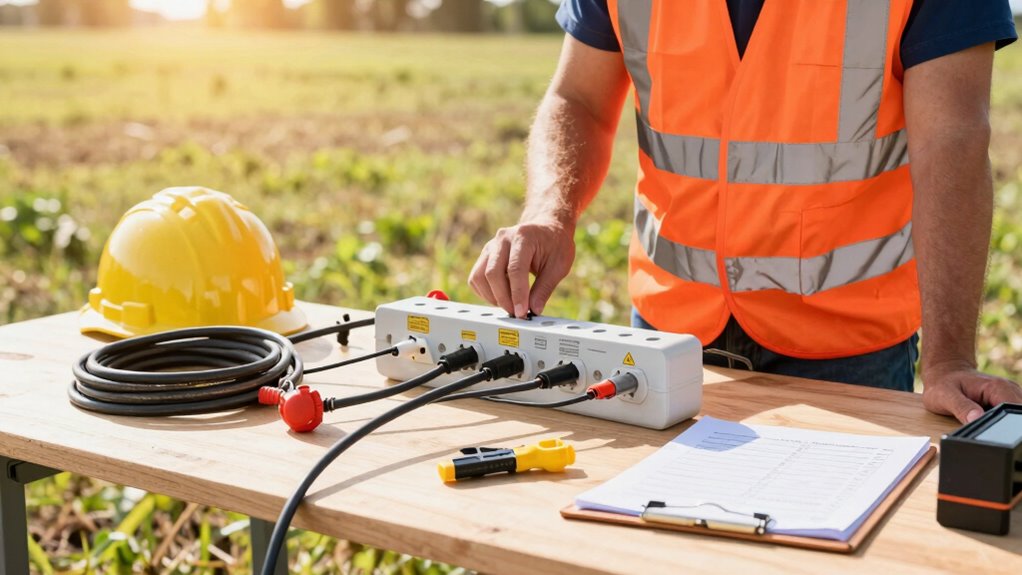
Creating a detailed power safety checklist for each job guarantees you don’t overlook critical safety steps before starting work. Begin by reviewing maintenance protocols to verify all equipment is in proper condition. Confirm that emergency procedures are clearly understood and accessible. Include checks for proper PPE, secure grounding, and proper tool usage. Verify that power sources are de-energized or properly isolated. Document inspection dates and any required repairs. Consider potential hazards specific to the site and job scope. Regularly update your checklist based on lessons learned and evolving safety standards. An all-encompassing checklist minimizes risks, keeps your team aligned on safety expectations, and ensures critical safety measures aren’t missed. Staying vigilant with these steps helps prevent accidents and equipment damage.
Implementing Electrical Safety Training and Protocols for Your Team
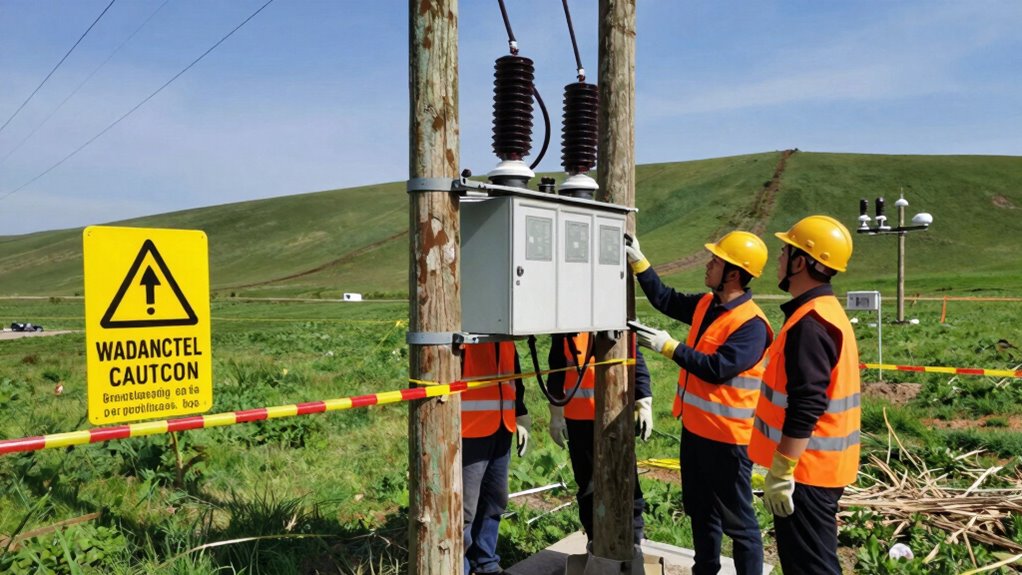
Implementing effective electrical safety training and protocols is essential for ensuring your team works confidently and safely around energized equipment. Building a strong safety culture starts with thorough employee training that emphasizes proper procedures, hazard recognition, and emergency response. Regular training sessions keep safety at the forefront and help team members stay updated on best practices. Clear protocols should outline step-by-step safety measures, including lockout/tagout procedures and PPE requirements. Encourage open communication so workers feel comfortable reporting hazards or unsafe behaviors. By fostering a safety-focused environment, you reduce risks of accidents and equipment damage. Consistent training and well-defined protocols empower your team to act responsibly, making safety an integral part of every job.
Frequently Asked Questions
What Are Common Signs of Impending Electrical Failure in Equipment?
You’ll notice signs of impending electrical failure like frequent electrical overloads, which cause equipment to trip or shut down unexpectedly. Faulty wiring often produces sparks, burning smells, or flickering lights. If you see or experience these issues, it’s a clear warning that the gear might fail soon. Addressing these early signs promptly helps prevent costly damage, ensuring your equipment remains safe and operational.
How Often Should Electrical Safety Training Be Refreshed for Field Workers?
Think of safety training as a crucial toolbox—you need to keep it updated. You should refresh electrical safety training for field workers at least annually, ensuring they stay aligned with the latest electrical code and safety protocols. Regular updates act like a shield, helping workers recognize hazards and prevent mistakes that could fry expensive gear. Consistent training keeps safety top of mind, reducing risks and boosting confidence on the job site.
Are There Specific Weather Conditions That Increase Electrical Hazards?
Weather conditions like thunderstorms with lightning strikes and high humidity considerably increase electrical hazards. You should be extra cautious during storms, as lightning can cause power surges or electrical shocks, risking your safety and equipment. High humidity also raises the chance of short circuits and corrosion. Always monitor weather reports, avoid working outdoors during severe conditions, and follow safety protocols to prevent accidents and protect your gear from damage.
What Tools Are Essential for Troubleshooting Electrical Issues Safely?
You need essential tools like a multimeter for insulation testing and a circuit tracer for safe circuit tracing. These tools help you identify electrical faults without risking shocks or damaging equipment. Always guarantee your multimeter is rated for the voltage you’re working with and use the circuit tracer to locate wires accurately. Wearing insulated gloves and following safety protocols while troubleshooting is vital to prevent accidents and protect your gear.
How Can You Effectively Document Electrical Safety Inspections?
Think of your inspection report as a treasure map guiding you safely through electrical hazards. Use clear, detailed documentation best practices like timestamping, annotating with symbols for issues found, and attaching photos for clarity. Employ inspection checklist techniques to guarantee completeness, marking off each item systematically. This approach helps you track safety compliance, identify recurring problems, and create a reliable record that safeguards your team and equipment effectively.
Conclusion
By staying vigilant and following these safety tips, you’ll create a shield around your gear—like a protective barrier against sparks and surges. Picture yourself confidently inspecting cords, donning PPE, and confidently tackling electrical tasks, knowing you’re preventing costly damage and avoiding dangerous shocks. When safety becomes second nature, your equipment stays powerful and reliable, ready to perform when you need it most. Keep safety front and center, and let your tools work for you, not against you.
NFL season / tailgating Picks
team gear
As an affiliate, we earn on qualifying purchases.