Learn the differences between photometric and manual color calibration methods to determine which best suits your needs and ensures optimal display accuracy.
Browsing Category
Processing & Data
72 posts
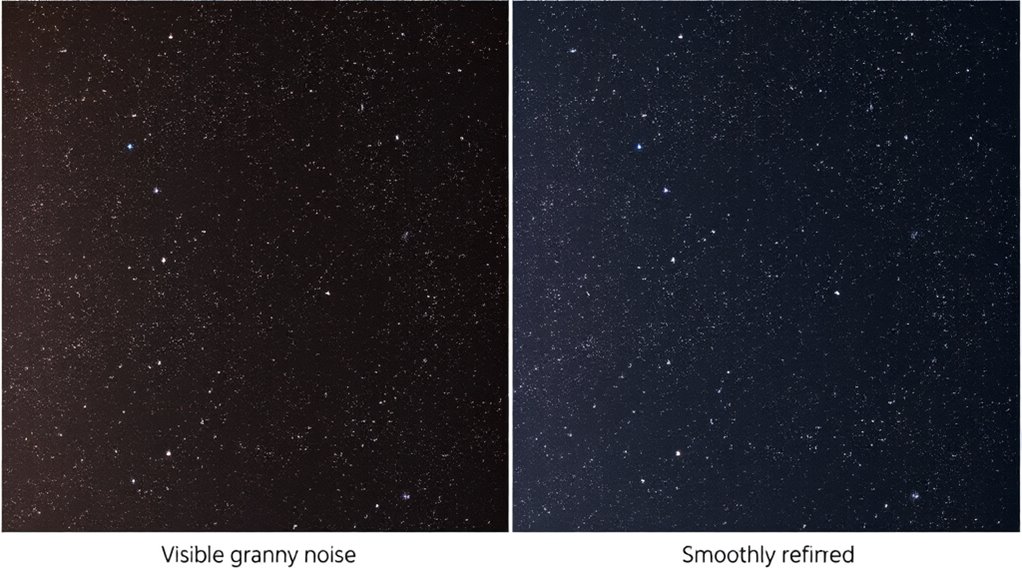
Noise Reduction Techniques in PixInsight and Photoshop
Unlock effective noise reduction techniques in PixInsight and Photoshop to enhance your astrophotography; discover methods that preserve detail while minimizing noise.
Drizzle Integration: Improving Resolution in Stacked Images
Never underestimate the power of proper sampling and alignment; mastering these can dramatically enhance resolution in stacked images.
Siril Processing Tutorial: Open-Source Astrophotography Software
Inevitably, mastering Siril processing unlocks stunning astrophotos, and this tutorial reveals the essential steps to achieve professional-quality results.
Introduction to PixInsight: Workflow Overview
PixInsight provides a streamlined astrophotography workflow that guides you from calibration to stunning final images, revealing the secrets behind celestial photography.
Autostakkert for Planetary Imaging: Aligning and Stacking Videos
Fascinated by planetary imaging? Discover how Autostakkert’s alignment and stacking features can elevate your astrophotography results.
DeepSkyStacker: Step-by-Step Guide for Beginners
Get started with DeepSkyStacker with this beginner’s guide to enhance your astrophotography images and unlock stunning celestial details.
From Zero to Confident: Noise Reduction Tradeoffs Checklist
Confident noise reduction begins with understanding key tradeoffs—discover how balancing cost, effectiveness, and aesthetics can transform your space.
Sequator Tutorial: Simple Image Stacking on Windows
Just start with Sequator on Windows and discover how easy it is to create stunning astrophotography images—learn the steps to perfect your sky stacking technique.
Calibration Frames Explained: Darks, Flats and Bias
I want to help you understand how calibration frames—darks, flats, and bias—can dramatically improve your astrophotography results, but first, let’s explore how each one works.