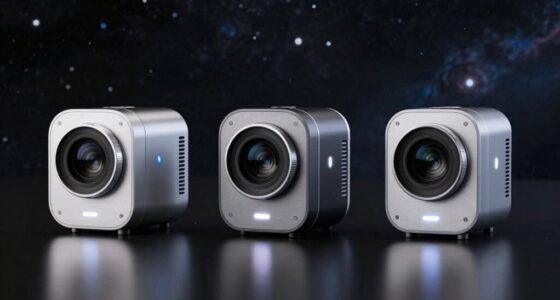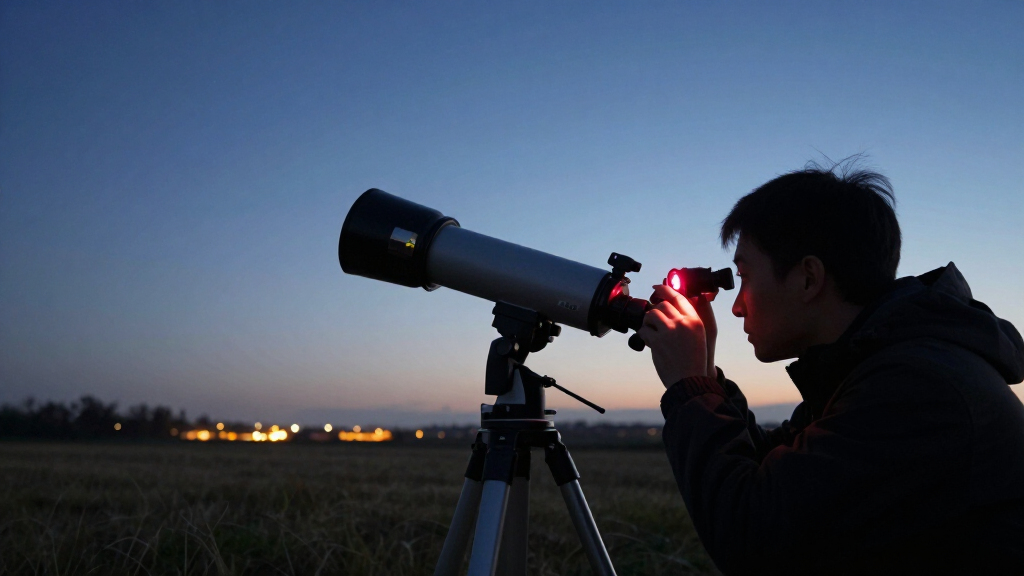

Astrophotography light pollution filters can reduce some unwanted sky glow, but the right choice depends on your camera, target, and filter size. My best overall pick is the SVBONY SV240 Multi-Narrowband Filter for imaging emission nebulae, while the HOYA Starscape and SVBONY CLS 2-Inch offer different approaches for camera lenses and telescope setups. Narrowband filters can improve contrast on suitable nebulae, while broadband and natural night filters preserve a wider range of light but may have less effect under modern LED lighting. Read on for how the 15 options compare and which tradeoffs matter for your gear.

Prime made for students and young adults
- Fast, free delivery for dorm and study essentials
- Prime Video and Amazon Music included
- Member-only deals
Key Takeaways
- Filter type shapes the result: the SVBONY SV240 and UHC options target emission nebulae, while the HOYA Starscape and Natural Night filters are camera-lens options with broader transmission.
- Target choice matters more than the phrase “light pollution”: narrowband filters can help with emission nebulae, but they are a poor fit for galaxies, reflection nebulae, and star clusters.
- Thread size limits compatibility: the 58mm, 67mm, 72mm, and 77mm camera filters must match the lens thread or use a suitable step-up ring; telescope filters need the matching 1.25-inch or 2-inch holder.
- Several entries differ mainly by size or format: the Walking Way and K&F Concept natural night filters cover multiple lens diameters, so the practical distinction is often fit and optical design rather than a new filtering approach.
- More specialized filtering brings a tradeoff: UHC and O-III filters can raise nebula contrast, but their narrower passbands make them less versatile for general night-sky scenes.
| Alstar 1.25-Inch O-III Narrowband Telescope Filter |  | Best for O-III Nebula Viewing | Filter size: 1.25 inches (31.75 mm) | Thread size: 3.2 cm | Material: Optical glass | VIEW LATEST PRICE | See Our Full Breakdown |
| Walking Way 77mm Natural Night Filter for Astrophotography |  | Best for 77mm Lens Versatility | Filter diameter: 77mm | Glass: Neodymium optical glass | Coatings: 28 layers | VIEW LATEST PRICE | See Our Full Breakdown |
| HOYA Starscape 67mm Light Pollution Filter |  | Best for Wide-Angle Night Photography | Filter size: 67 mm | Glass: Didymium | Light transmission: 97%+ | VIEW LATEST PRICE | See Our Full Breakdown |
| K&F Concept 67mm Natural Night Light Pollution Reduction Filter |  | Best for Coating Protection | Filter size: 67mm | Material: AGC optical glass | Coating: 28 multi-layer coatings; nano coating | VIEW LATEST PRICE | See Our Full Breakdown |
| Walking Way 58mm Natural Night Filter for Light Pollution Reduction | | Best for 58mm Camera Lenses | Filter size: 58 mm | Thread size: 5.8 cm | Material: Neodymium optical glass | VIEW LATEST PRICE | See Our Full Breakdown |
| FIBONAX 1.25-Inch UHC Telescope Filter |  | Best for Nebula Viewing | Size: 1.25 inches | Thread: M28.5×0.6, dual-threaded | Optical glass: Multi-coated | VIEW LATEST PRICE | See Our Full Breakdown |
| SVBONY SV240 1.25-Inch Multi-Narrowband Telescope Filter |  | Best for One-Shot Color Imaging | Model: W9191B | Filter size: 1.25 inches | Filter type: Multi-narrowband | VIEW LATEST PRICE | See Our Full Breakdown |
| K&F Concept 77mm Clear Natural Night Filter |  | Best Slim Filter for Wide-Angle Lenses | Filter size: 77mm | Type: Clear Natural Night Filter | Frame thickness: 0.15 inches | VIEW LATEST PRICE | See Our Full Breakdown |
| Walking Way 67mm Natural Night Filter | | Best for 67mm Lens Owners | Filter size: 67mm in title and main specification; 77mm also appears in feature details | Thread size: 6.7 cm | Material: Neodymium optical glass | VIEW LATEST PRICE | See Our Full Breakdown |
| SVBONY CLS Broadband Light Pollution Telescope Filter, 2-Inch |  | Best for 2-Inch DSLR Imaging | Type: CLS broadband light pollution filter | Size: 2 inches | Coating: Ion-assisted deposition | VIEW LATEST PRICE | See Our Full Breakdown |
| SVBONY CLS 1.25-Inch Light Pollution Broadband Telescope Filter |  | Best Broadband Pick for Color Cameras | Filter type: CLS light pollution broadband | Size: 1.25 inches | Nebula line transmission: 90% at H-alpha 656 nm, O III 496 and 500 nm, S II 672 nm, and H-beta 486 nm | VIEW LATEST PRICE | See Our Full Breakdown |
| Celestron UHC/LPR Light Pollution Reduction Filter for Telescopes, 1.25-Inch |  | Best High-Transmission Nebula Filter | Filter size: 1.25 inches | Filter type: Ultra high contrast light pollution reduction (UHC/LPR) | Passband: 60 nm | VIEW LATEST PRICE | See Our Full Breakdown |
| SVBONY 1.25-Inch UHC Telescope Filter |  | Best Value-Style UHC for Simple Setups | Filter type: UHC | Barrel diameter: 1.25 inches | Lens material: Optical glass | VIEW LATEST PRICE | See Our Full Breakdown |
| K&F Concept 72mm Natural Night Light Pollution Reduction Filter | | Best for 72mm Camera Lenses | Filter size: 72mm | Model number: KF01.1118 | Series: Nano-X FE707 | VIEW LATEST PRICE | See Our Full Breakdown |
| Alstar 2-Inch Ultra High Contrast Nebula Telescope Filter |  | Best for 2-Inch Nebula Eyepieces | Filter size: 2 inches | Filter type: Ultra High Contrast (UHC) nebula filter | Coating: Multi-coated | VIEW LATEST PRICE | See Our Full Breakdown |
| astrophotography light pollution filter | Filter size |
|---|---|
| Alstar 1.25-Inch O-III Narrowb | 1.25 inches (31.75 mm) |
| Walking Way 77mm Natural Night | — |
| HOYA Starscape 67mm Light Poll | 67 mm |
| K&F Concept 67mm Natural Night | 67mm |
| Walking Way 58mm Natural Night | 58 mm |
| FIBONAX 1.25-Inch UHC Telescop | — |
| SVBONY SV240 1.25-Inch Multi-N | 1.25 inches |
| K&F Concept 77mm Clear Natural | 77mm |
| Walking Way 67mm Natural Night | 67mm in title and main specification; 77mm also appears in feature details |
| SVBONY CLS Broadband Light Pol | — |
| SVBONY CLS 1.25-Inch Light Pol | — |
| Celestron UHC/LPR Light Pollut | 1.25 inches |
| SVBONY 1.25-Inch UHC Telescope | — |
| K&F Concept 72mm Natural Night | 72mm |
| Alstar 2-Inch Ultra High Contr | 2 inches |
More Details on Our Top Picks
Alstar 1.25-Inch O-III Narrowband Telescope Filter
The Alstar O-III is the specialized choice here: its 496–501 nm passband targets oxygen emission from gaseous and planetary nebulae, helping those objects stand out against a bright sky. That narrow focus makes it a different tool from camera filters such as the HOYA Starscape 67mm, which is intended to reduce broad yellow-orange skyglow in night-sky photography. The Alstar can be used with compatible eyepieces or cameras, but its 1.25-inch format limits it to equipment with matching threads. Its stated 95 percent transmittance is useful context, though the narrow passband means it is not a general-purpose filter for stars, galaxies, or every nebula. I’d choose it for targeted O-III observing, and skip it if I need one filter for varied night-sky subjects.
Pros:- Passes the 496–501 nm O-III band for targeted nebula contrast.
- Compatible with 1.25-inch eyepieces and compatible cameras.
- Multi-coated optical glass includes anti-reflection and dichroic coatings.
- Can be used in both light-polluted and dark-sky conditions.
Cons:- Only fits equipment with compatible 1.25-inch filter threads.
- Its narrow O-III focus limits usefulness for other objects and general night-sky photography.
Best for: Telescope owners with 1.25-inch accessories who mainly observe O-III-emitting gaseous or planetary nebulae under light-polluted skies.
Not ideal for: Astrophotographers seeking a general-purpose camera filter for stars, galaxies, or broad-spectrum night scenes.
- Filter size:1.25 inches (31.75 mm)
- Thread size:3.2 cm
- Material:Optical glass
- Coatings:Multi-coated, dichroic interference and anti-reflection
- Passband:496–501 nm
- Light transmittance:95 percent
- Compatible equipment:Telescopes with 1.25-inch filter threads, 1.25-inch eyepieces, and compatible cameras
- Photo filter factor:4×
Our verdict“Choose the Alstar if your 1.25-inch telescope setup is aimed at O-III nebulae; choose a broader camera filter for varied night-sky scenes.”
Walking Way 77mm Natural Night Filter for Astrophotography
The Walking Way 77mm is aimed at photographers who want one screw-on filter for night skies, cityscapes, and architecture. Its neodymium optical glass is described as reducing urban light pollution and haze, while the 28-layer coating stack adds water, oil, and scratch resistance. That makes it more broadly framed than the Alstar O-III, which targets a narrow emission band for telescope viewing rather than varied camera scenes. The tradeoff is that the product details give no independent performance or durability evidence, so I would treat the stated light-pollution benefit as a design claim rather than a guaranteed result for every lamp spectrum or camera. Its 77mm screw mount also rules it out for smaller lens threads unless a suitable step-up arrangement works for the setup.
Pros:- Neodymium glass is designed to reduce urban light pollution and haze.
- Intended for night-sky, astrophotography, cityscape, and architectural photography.
- 28 coating layers include water-repellent, scratch-resistant, and oil-resistant treatments.
- Includes a protective case for storage.
Cons:- Fits 77mm lens threads only.
- Product details provide no independent evidence of optical performance or coating durability.
Best for: Night-sky and cityscape photographers whose lenses have 77mm filter threads and who want a coated filter for mixed outdoor conditions.
Not ideal for: Photographers with other thread sizes or buyers who need independently documented light-pollution performance.
- Filter diameter:77mm
- Glass:Neodymium optical glass
- Coatings:28 layers
- Mount type:Screw-on
- Intended use:Night sky, astrophotography, cityscape, and architectural photography
- Included:Protective case
Our verdict“Pick this for a 77mm lens used across night skies and city scenes, provided you are comfortable evaluating its claimed filtering performance yourself.”
HOYA Starscape 67mm Light Pollution Filter
The HOYA Starscape makes the most sense for a 67mm camera lens used on wide night-sky compositions. Its Didymium glass is intended to reduce yellow-orange light from sodium and mercury vapor lamps, while the slim aluminum frame is designed to help limit vignetting when a wide-angle lens sees the filter edges. Compared with the K&F Concept 67mm Natural Night, HOYA specifies 97%+ light transmission and names the lamp colors it targets; K&F instead emphasizes protective coatings and avoiding color cast. Neither description establishes results under every modern lighting mix, so the filter’s benefit depends on the local skyglow. The fixed 67mm thread also narrows compatibility, and its night-focused design offers little reason to leave it on for general photography.
Pros:- Didymium glass targets yellow-orange light from sodium and mercury vapor lamps.
- Specified light transmission is 97%+.
- Slim, low-profile frame is designed to limit vignetting on wide-angle lenses.
- Multi-layer HMC coating is specified.
Cons:- Compatible only with lenses using a 67mm filter thread.
- Its stated target is yellow-orange skyglow, so results may vary with other lighting sources.
- Designed primarily for night and astrophotography.
Best for: Wide-angle night-sky photographers with 67mm lens threads who want a slim filter aimed at yellow-orange urban skyglow.
Not ideal for: Photographers with other lens thread sizes or those seeking a filter for general daytime use and varied light sources.
- Filter size:67 mm
- Glass:Didymium
- Light transmission:97%+
- Coating:Multi-layer HMC
- Frame:Slim, low-profile black aluminum
- Mount:Screw-in
Our verdict“Choose HOYA for 67mm wide-angle night scenes where yellow-orange skyglow is the main concern and a slim frame matters.”
K&F Concept 67mm Natural Night Light Pollution Reduction Filter
The K&F Concept 67mm pairs natural-night filtering with a coating package built for outdoor handling. Its 28 multi-layer coatings and nano coating are described as waterproof, oil-resistant, and scratch-resistant, while the slim frame is intended to reduce vignetting. Against the HOYA Starscape 67mm, K&F puts more emphasis on surface protection and avoiding color cast; HOYA gives a specific 97%+ transmission figure and calls out yellow-orange lamp light. That difference may guide buyers who prioritize handling versus stated transmission and target wavelengths, though the K&F details do not give a quantified light-transmission figure. Like HOYA, this is a fixed 67mm filter, so it will not directly fit other lens threads. I’d favor it for outdoor use where coating protection is a priority.
Pros:- 28 multi-layer coatings plus nano coating.
- Surface is described as waterproof, oil-resistant, and scratch-resistant.
- Slim 0.15-inch frame is intended to help reduce vignetting.
- Designed to avoid color cast in night-sky and city photography.
Cons:- Fits cameras with 67mm lens threads only.
- No light-transmission percentage is provided in the product data.
Best for: Night-sky and city photographers with 67mm lenses who often shoot outdoors and value water-, oil-, and scratch-resistant coatings.
Not ideal for: Buyers who need a quantified transmission specification or have lenses without 67mm threads.
- Filter size:67mm
- Material:AGC optical glass
- Coating:28 multi-layer coatings; nano coating
- Frame thickness:0.15 in
- Water resistance:Waterproof
- Compatible devices:Cameras with 67mm lens diameter
- Weight:3.52 oz
- Model number:KF01.1117
Our verdict“Choose K&F if your 67mm filter will see regular outdoor handling and protective coatings matter more to you than a published transmission figure.”
Walking Way 58mm Natural Night Filter for Light Pollution Reduction
The Walking Way 58mm brings the same basic approach as the 77mm Walking Way filter to a smaller lens thread: neodymium glass intended to reduce urban light pollution and haze, with 28 coating layers for reflection control and resistance to fingerprints, water, scratches, and oil. For a photographer choosing between them, the main distinction is lens compatibility, not a stated difference in filtering performance. Compared with the HOYA Starscape 67mm, this filter lists more coating protections and includes a case, while HOYA provides a transmission figure and describes its yellow-orange lamp target. Walking Way’s product data offers no independent performance evidence or transmission measurement. I’d choose this only when 58mm is the needed thread and the protective coatings suit the shooting conditions; it will not directly fit other lens diameters.
Pros:- Neodymium optical glass is designed to reduce urban light pollution and haze.
- Suitable for night-sky, astrophotography, and cityscape photography.
- 28 coating layers are intended to resist reflections, fingerprints, water, scratches, and oil.
- Includes a protective case.
Cons:- Fits camera lenses with 58mm filter threads only.
- Product data provides no independent performance evidence or light-transmission figure.
Best for: Astrophotographers and cityscape shooters with 58mm lens threads who want a screw-on night filter with protective coatings and a storage case.
Not ideal for: Buyers who need a measured transmission specification, documented filtering results, or compatibility with non-58mm lenses.
- Filter size:58 mm
- Thread size:5.8 cm
- Material:Neodymium optical glass
- Coating:28 layers of multi-coating
- Water resistance:Water resistant
- Compatibility:Camera lenses with a 58 mm filter thread
- Included items:Protective case
Our verdict“Choose the 58mm Walking Way when thread fit and coating protection match your setup, while recognizing that its filtering claims are not quantified in the supplied data.”
FIBONAX 1.25-Inch UHC Telescope Filter
The FIBONAX UHC is the visual-focused choice here for observers who want to bring out nebula structure against a brighter sky. Its stated H-beta and O-III passbands target emissions common in nebulae, while suppression of sodium and mercury streetlight glare can improve contrast. Compared with the SVBONY SV240, which also passes H-beta and O-III but adds Ha and a near-infrared passband for imaging flexibility, FIBONAX has a simpler, more traditional UHC role. Its over-90% transmission and multi-coated glass are useful on compatible targets, but a filter cannot remove all skyglow or make every object brighter. The 1.25-inch format also limits it to matching telescope accessories; choose a 2-inch option such as the SVBONY CLS if your imaging train needs that size.
Pros:- Passes H-beta and O-III wavelengths associated with nebula viewing
- Designed to reduce sodium and mercury streetlight glare
- Over-90% stated light transmission
- Dual M28.5×0.6 threads and a protective case
Cons:- Limited to compatible 1.25-inch telescope setups
- Its UHC passbands are less versatile for multi-line imaging than the SVBONY SV240
- Skyglow reduction does not remove all background light or suit every target
Best for: Visual observers with 1.25-inch eyepieces who mainly want more contrast on emission nebulae under light-polluted skies
Not ideal for: Imagers needing a 2-inch filter, broad camera compatibility, or a multi-line filter with Ha and near-infrared transmission
- Size:1.25 inches
- Thread:M28.5×0.6, dual-threaded
- Optical glass:Multi-coated
- Light transmission:Over 90%
- Wavelengths:H-beta and O-III
- Frame material:Aircraft-grade aluminum
- Included:Protective storage case
- Warranty:1 year
Our verdict“Choose the FIBONAX for 1.25-inch visual observing centered on nebulae, and look to the SVBONY SV240 for broader emission-line imaging features.”
SVBONY SV240 1.25-Inch Multi-Narrowband Telescope Filter
For a one-shot color camera user, the SVBONY SV240 combines Ha, O-III, and H-beta transmission in one 1.25-inch filter, so the stated design supports capturing several emission lines without combining separate filter exposures. That gives it a broader imaging brief than the FIBONAX UHC, whose listed passbands are H-beta and O-III and whose description also emphasizes visual nebula contrast. SV240 is also described for visual observation and use under moonlit or light-polluted skies. Its near-infrared passband could matter in an infrared-capable imaging setup, but it adds little for buyers without that capability. The narrowband approach is specialized: it is aimed at deep-sky emission targets, not a universal fix for every night-sky scene. Check your camera and telescope thread fit before choosing it.
Pros:- Supports Ha, O-III, and H-beta emission lines
- Designed for one-shot color cameras without combining separate filter exposures
- Specified for imaging and visual observation
- Designed for light-polluted or moonlit skies
Cons:- Near-infrared passband requires an infrared-capable setup to use
- Specialized for deep-sky targets rather than general night-sky scenes
- Limited to compatible 1.25-inch equipment
Best for: Astrophotographers using a compatible 1.25-inch one-shot color camera who want to record Ha, O-III, and H-beta emission lines in one setup
Not ideal for: Photographers without an infrared-capable setup who expect to use the near-infrared passband, or buyers seeking a general-purpose camera lens filter
- Model:W9191B
- Filter size:1.25 inches
- Filter type:Multi-narrowband
- Supported emission lines:Ha, OIII, H-Beta
- Additional passband:Near-infrared
- Use:Astrophotography and visual observation
- Included items:1 filter, 1 plastic storage box
- Warranty:1 year
Our verdict“Pick the SV240 if a compatible one-shot color imaging setup and multi-line emission capture matter more than the simpler visual focus of the FIBONAX UHC.”
K&F Concept 77mm Clear Natural Night Filter
The K&F Concept 77mm Clear Natural Night is the lens-mounted option in this group for photographers who want a thin filter in front of a wide-angle or telephoto lens. Its 0.15-inch frame is intended to minimize vignetting, a practical concern when a wide field already brings the frame edges close to the lens’s limits. Unlike telescope filters such as the SVBONY SV240, this is a camera-lens filter and does not list specific nebula emission-line passbands. The 28-layer coatings and AGC optical glass are described as protective and as preserving high-definition images without color cast. That makes it a more general night-sky accessory, but its light-pollution reduction is not complete. Buyers should match the 77mm thread to their lens and choose a telescope filter for targeted emission-line imaging.
Pros:- Slim 0.15-inch frame is designed to minimize vignetting
- 28-layer multi-coating
- AGC optical glass is described as retaining high-definition images without color cast
- Waterproof, oil-resistant, and scratch-resistant coating claims
Cons:- Only fits lenses with a compatible 77mm filter thread
- Does not completely eliminate light pollution
- No specific emission-line passbands are listed, unlike the SVBONY SV240
Best for: Wide-angle and telephoto lens photographers with 77mm filter threads who want a slim filter for night-sky scenes
Not ideal for: Telescope users seeking specified H-alpha, O-III, or H-beta passbands, or photographers expecting complete removal of urban skyglow
- Filter size:77mm
- Type:Clear Natural Night Filter
- Frame thickness:0.15 inches
- Coatings:28-layer multi-coated
- Glass material:AGC optical glass
- Coating features:Waterproof, oil-resistant, scratch-resistant
Our verdict“Choose this K&F filter for a compatible 77mm camera lens and slim night-sky coverage; choose a telescope narrowband filter for emission-line targeting.”
Walking Way 67mm Natural Night Filter
The Walking Way Natural Night Filter is aimed at camera users with a 67mm lens thread who photograph night skies, urban scenes, or haze-affected views. Its neodymium optical glass and 28-layer coating are described as reducing urban light pollution and resisting water, scratches, and oil; the included case helps protect the filter between shoots. Compared with the K&F Concept 77mm, it serves a smaller stated lens size and does not list a slim frame dimension or a no-color-cast claim. Its product data also contains a fitment conflict: the title and main specification say 67mm, while one feature section says 77mm. That discrepancy makes fit the main buying risk, so confirm the seller’s current measurements before ordering. It also lacks specified emission-line passbands found on telescope filters such as the SVBONY CLS.
Pros:- Designed to reduce urban light pollution and haze
- Suitable for night-sky, astrophotography, and cityscape photography
- Neodymium optical glass with 28-layer multi-coating
- Includes a protective case
Cons:- Product details conflict between 67mm and 77mm sizing
- No specific emission-line passbands are provided, unlike the SVBONY CLS
- The listed description does not quantify how much light pollution it reduces
Best for: Night-sky and cityscape photographers whose lens has a confirmed 67mm filter thread and who want a protective multi-coated filter
Not ideal for: Buyers who cannot verify whether their unit is 67mm or 77mm, or astrophotographers seeking specified narrowband emission-line filtering
- Filter size:67mm in title and main specification; 77mm also appears in feature details
- Thread size:6.7 cm
- Material:Neodymium optical glass
- Coating:28-layer multi-coating
- Water resistance:Water resistant
- Compatible devices:Camera lenses with a 67mm filter thread
- Items included:1 filter; protective case
Our verdict“Consider this filter only after confirming the size, since its stated 67mm fit and multi-coated design suit lens photographers but the listing also mentions 77mm.”
SVBONY CLS Broadband Light Pollution Telescope Filter, 2-Inch
The SVBONY CLS Broadband is the largest telescope format in this batch and is specified for color CCD cameras and unmodified DSLRs. Its 2-inch size can suit a compatible imaging train, while the listed transmission targets H-alpha, O-III, S-II, and H-beta lines and suppresses selected off-band wavelengths. Compared with the FIBONAX UHC, this CLS filter lists more emission lines and supports a different, broader imaging role; compared with the SVBONY SV240, it is specified for a 2-inch setup rather than 1.25-inch equipment. The coating is described as durable, but the compatibility information is narrow, so buyers should check their camera and adapter setup. Its broadband design can improve contrast, though it will not erase skyglow or guarantee the same result across every target and lighting condition.
Pros:- 2-inch format for compatible telescope imaging trains
- Lists H-alpha, O III, S II, and H-beta transmission
- Specified for color CCD and unmodified DSLR cameras
- Ion-assisted deposition coating is described as durable and scratch-resistant
Cons:- Compatibility is specified for color CCD and unmodified DSLR cameras
- Larger 2-inch format will not fit 1.25-inch-only setups
- Broadband filtering can improve contrast but does not remove all skyglow
Best for: Astrophotographers with a compatible 2-inch imaging train and a color CCD or unmodified DSLR who want a broadband filter with listed nebula emission lines
Not ideal for: Owners of 1.25-inch-only telescope setups, modified-camera systems, or camera lenses requiring a front-mounted filter
- Type:CLS broadband light pollution filter
- Size:2 inches
- Coating:Ion-assisted deposition
- Transmission:90% for specified nebula emission lines
- Off-band transmission:0.1%
- Compatible devices:Color CCD cameras and unmodified DSLR cameras
- Highlighted emission lines:H-alpha 656 nm, O III 496 nm and 500 nm, S II 672 nm, H-beta 486 nm
Our verdict“Choose the SVBONY CLS if your 2-inch imaging setup matches its listed camera compatibility; the 1.25-inch SV240 is the better fit for smaller rigs.”
SVBONY CLS 1.25-Inch Light Pollution Broadband Telescope Filter
The SVBONY CLS is the most flexible telescope option here for buyers who want a broadband filter with stated transmission across several nebula emission lines. Its listed 90% transmission at H-alpha, O III, S II, and H-beta gives color CCD and unmodified DSLR users a clear reason to shortlist it for nebula imaging. Compared with the SVBONY 1.25-Inch UHC, the CLS approach is aimed at retaining a broader set of nebula wavelengths rather than focusing on a UHC-style contrast effect. That flexibility does not make it a universal fix: broadband filtering cannot remove all sky glow, and the 1.25-inch size limits it to compatible optical trains. The stated 0.1% off-band transmission is useful context, but results still depend on the target and lighting conditions.
Pros:- Lists 90% transmission at five specified nebula emission lines
- Compatible with color CCD and unmodified DSLR cameras
- Suitable for both visual observing and deep-sky photography
- Coating is designed for scratch resistance
Cons:- Limited to compatible 1.25-inch telescope accessories
- Broadband filtering cannot eliminate all sky glow or work equally well on every target
Best for: Astrophotographers using a compatible 1.25-inch setup with a color CCD or unmodified DSLR who want to image several nebula emission lines.
Not ideal for: Owners of 2-inch accessories or photographers seeking a camera-lens filter; this filter is made for 1.25-inch telescope compatibility.
- Filter type:CLS light pollution broadband
- Size:1.25 inches
- Nebula line transmission:90% at H-alpha 656 nm, O III 496 and 500 nm, S II 672 nm, and H-beta 486 nm
- Off-band transmission:0.1%
- Compatible cameras:Color CCD and unmodified DSLR
- Item weight:0.04 kg
- Warranty:1 year
Our verdict“Choose this CLS filter if your 1.25-inch color imaging setup needs broad coverage of listed nebula lines; skip it if you need a 2-inch or camera-lens filter.”
Celestron UHC/LPR Light Pollution Reduction Filter for Telescopes, 1.25-Inch
The Celestron UHC/LPR earns its place for buyers who want a specified 60 nm passband and over 97% transmission for emission nebula viewing. Those figures point to a filter designed to preserve much of the target’s brightness while improving contrast against artificial sky glow. Its H-alpha passband also makes it a distinct option beside the SVBONY CLS 1.25-Inch, whose data lists transmission across more emission lines but a lower stated percentage. The Celestron’s narrower purpose is the tradeoff: it is described for nebulae, not general-purpose star fields or every deep-sky target. The 1.25-inch format also requires a matching telescope setup. Its hardened multilayer coatings suit regular handling, but coating durability cannot compensate for using the filter on targets outside its intended band.
Pros:- 60 nm passband is specified for nebula contrast
- Over 97% transmission helps retain image brightness
- Includes an H-alpha passband at 656 nm
- Hardened multilayer dielectric coatings are designed to resist scratches
Cons:- Nebula-oriented passband is not suited to every astronomical target
- Requires compatible 1.25-inch telescope accessories
Best for: Visual observers and imagers with 1.25-inch telescope accessories who mainly target emission nebulae and value a stated high transmission figure.
Not ideal for: Astrophotographers seeking one filter for broad deep-sky targets or camera lenses, since this is a nebula-focused telescope filter in a 1.25-inch format.
- Filter size:1.25 inches
- Filter type:Ultra high contrast light pollution reduction (UHC/LPR)
- Passband:60 nm
- Transmission:Over 97%
- H-alpha passband:656 nm
- Coatings:Multi-layer dielectric, plasma-assisted, and ion-beam hardened
Our verdict“Pick the Celestron for a bright, nebula-focused view through a 1.25-inch telescope, while the broader-line SVBONY CLS may suit buyers prioritizing listed wavelength coverage.”
SVBONY 1.25-Inch UHC Telescope Filter
This SVBONY UHC is a straightforward choice for telescope owners who want a standard threaded filter for nebula viewing and imaging without relying on a long list of performance figures. Its optical glass lens, aluminum frame, and 1.25-inch format describe a familiar fit for compatible eyepieces and accessories. Compared with the Celestron UHC/LPR, this listing does not provide a passband or transmission percentage, so buyers have less data for predicting how it will handle a particular target. In exchange, the SVBONY’s appeal is its uncomplicated fit and dual visual/imaging use. It is still a specialized nebula filter, not a general-purpose solution for galaxies or star clusters. The included case helps with storage, though it does not change the limits imposed by the UHC design.
Pros:- Standard 1.25-inch thread fits compatible eyepieces and accessories
- Can be used for visual observation and astrophotography
- Optical glass lens and aluminum frame
- Transparent case is included
Cons:- No passband or transmission percentage is provided in the supplied specifications
- UHC design is aimed at nebulae rather than general-purpose filtering
Best for: Telescope owners with 1.25-inch eyepieces or accessories who want a basic UHC filter for nebula observation and astrophotography.
Not ideal for: Buyers who need published passband and transmission figures to compare filtering performance, or who want one filter for varied deep-sky targets.
- Filter type:UHC
- Barrel diameter:1.25 inches
- Lens material:Optical glass
- Frame material:Aluminum
- Weight:40 g
- Included items:1 filter
- Model number:FUSF9131A
- Warranty:1 year
Our verdict“Choose this SVBONY if a simple threaded UHC for nebula work fits your setup; choose the Celestron if you want published passband and transmission figures.”
K&F Concept 72mm Natural Night Light Pollution Reduction Filter
Unlike the 1.25-inch telescope filters in this group, the K&F Concept Natural Night is made for a 72mm camera lens thread. That makes it the natural fit for wide-field night sky photography when the goal is to reduce light pollution while keeping a clear-looking image; its optical glass is designed to avoid color cast. A 0.15-inch slim frame is intended to reduce vignetting, a practical concern when a filter sits in front of a wide lens. Compared with the telescope-oriented SVBONY CLS, this is a camera-lens accessory rather than a nebula-line filter with specified emission-line transmission. Its coating protections add resilience, but the supplied data gives no spectral passband or transmission figures, so buyers cannot judge its wavelength performance from specs alone. Thread size is the key constraint.
Pros:- Designed for lenses with a 72mm filter thread
- Optical glass is designed to avoid color cast
- Slim 0.15-inch frame is intended to reduce vignetting
- Waterproof, oil-resistant, and scratch-resistant coating properties
Cons:- Fits only lenses with a 72mm filter thread
- Supplied specifications do not state a passband or transmission figure
Best for: Nightscape photographers whose camera lens has a 72mm filter thread and who want a slim filter designed to avoid color cast.
Not ideal for: Telescope users or camera owners with other lens thread sizes; it will not directly fit their optical train.
- Filter size:72mm
- Model number:KF01.1118
- Series:Nano-X FE707
- Material:Optical glass
- Coating:28 multi-layer coatings; nano coating
- Frame thickness:0.15 inches
- Compatible devices:Cameras with 72mm lens diameter
- Item weight:3.52 oz
Our verdict“Choose this K&F filter for a 72mm camera lens used in nightscape photography; telescope nebula imagers should look to a telescope-threaded option such as the SVBONY CLS.”
Alstar 2-Inch Ultra High Contrast Nebula Telescope Filter
The Alstar UHC is the only 2-inch telescope filter in this batch, which gives it a clear role for observers whose larger eyepieces or accessories cannot accept the 1.25-inch SVBONY and Celestron filters. It is designed to darken the sky background and bring out faint nebula detail, with stated blocking of mercury and sodium vapor lamp light. The marked O III and H-beta transmission also signals its nebula focus. Compared with the SVBONY CLS 1.25-Inch, the Alstar offers a larger format and a UHC-style target emphasis, while the CLS lists transmission across more emission lines. The Alstar’s product data does not specify a passband or transmission percentage, so performance is harder to compare on paper. Its specialized design also makes it a poor general-purpose filter for other targets.
Pros:- 2-inch format fits compatible larger telescope accessories
- Designed to darken the sky and reveal faint nebula detail
- Blocks light from mercury and sodium vapor lamps
- O III and H-beta transmission markings identify its nebula focus
Cons:- No passband or transmission percentage is supplied
- Specialized for nebulae rather than general-purpose deep-sky use
- 2-inch size will not fit 1.25-inch-only accessories
Best for: Observers with 2-inch telescope accessories who mainly view nebulae and want a UHC filter for both light-polluted and dark-sky sites.
Not ideal for: Owners of 1.25-inch-only setups or imagers who need detailed passband and transmission data before choosing a filter.
- Filter size:2 inches
- Filter type:Ultra High Contrast (UHC) nebula filter
- Coating:Multi-coated
- Inspection:Individually inspected
- Emission line markings:O III and H-beta light transmittance marked on filter
Our verdict“Choose the Alstar if your telescope uses 2-inch accessories for nebula viewing; choose a 1.25-inch filter such as the SVBONY CLS for a smaller optical train and broader listed line coverage.”
How We Picked
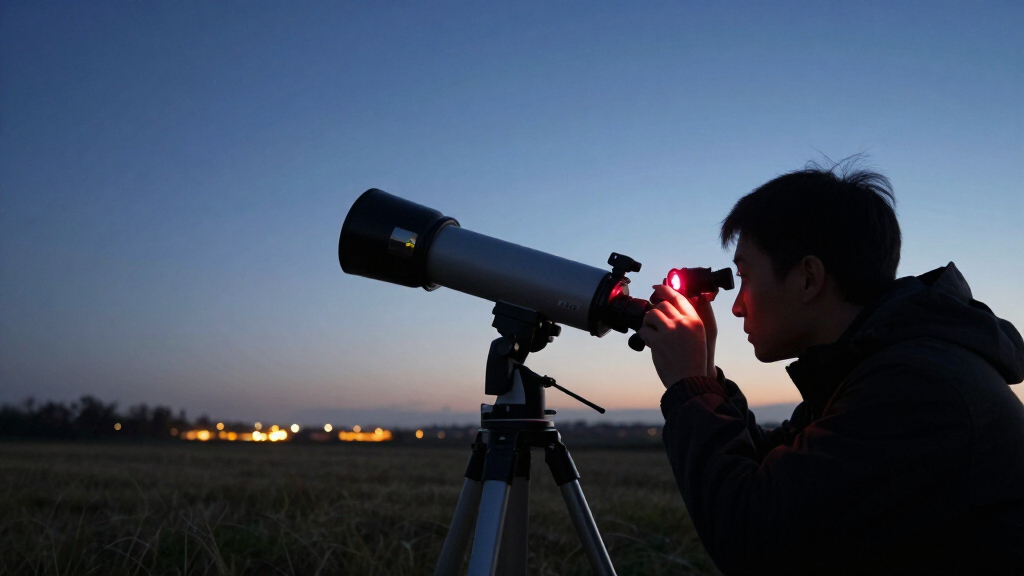
I compared these filters by the job each design is suited to: emission-nebula imaging, broader night-sky photography, or visual telescope use. I gave more weight to a clear match between filter type and target, practical compatibility with common camera-lens or telescope formats, and how much flexibility a buyer gives up when choosing a narrower passband. I also treated build and handling as buyer factors, since thread fit, filter size, and telescope barrel size affect whether a filter can be used with an existing setup.
The ranking favors products with a clearly defined use and a meaningful advantage within that use, rather than assuming that stronger filtering is always better. The SVBONY SV240 leads for dedicated emission-nebula imaging; camera-lens filters rank for users who need a broader field and lens-mounted format; and telescope UHC, O-III, and CLS filters are judged by their target-specific role. The product names alone do not establish measured transmission, coating performance, or results under particular skies, so I avoid treating those as proven advantages.
Factors to Consider When Choosing Astrophotography Light Pollution Filters
Before choosing a filter, match its spectral approach to both your target and your imaging chain. These broader checks can prevent a filter from reducing useful signal or simply failing to fit your equipment.
Match the Filter to the Target
Emission nebulae are the strongest candidates for narrowband filtering because they emit prominent light at specific wavelengths. Galaxies, reflection nebulae, and star clusters spread their light across a broader spectrum, so a narrow filter may dim the subject along with the sky. A broadband or natural night filter keeps more of that spectrum, though its ability to suppress sky glow depends on the light sources and the filter’s passband. A common mistake is buying an O-III or UHC filter for all-purpose deep-sky imaging. Decide which targets make up most of your sessions before choosing a filter family. If your target list is mixed, prioritize versatility or plan to use separate filters for different subjects.
Check the Whole Optical Path
A filter’s stated diameter does not tell the whole compatibility story. Camera-lens models use thread sizes such as 58mm or 77mm, while telescope filters commonly fit 1.25-inch or 2-inch accessories. Step-up rings can connect a smaller lens thread to a larger filter, but they may add vignetting risk, especially with wide-angle lenses. Telescope users should also check whether the filter sits ahead of or behind any reducer, flattener, or other optics, since placement can affect the usable image circle. For mirrorless and DSLR setups, verify whether the filter can be used with the intended adapter or clip-in system. Confirm every connection before buying; an otherwise suitable filter has no value if it cannot mount securely.
Consider Modern LED Sky Glow
Older light pollution filters were often designed to block prominent emission lines from older street lighting. Many current urban and suburban sources, especially white LEDs, emit across broader wavelengths, which can leave less unwanted light for a broadband filter to reject cleanly. That means a filter marketed for light pollution reduction may deliver modest results under one sky and more visible improvement under another. Check for a transmission curve from the manufacturer when available, and compare it with the types of lighting around your observing site. Do not expect a filter to replace darker skies, careful exposure choices, or background processing. If travel to darker locations is practical, that may improve more targets than adding another filter.
Weigh Contrast Against Color and Signal
Blocking wavelengths can darken the background, but it also changes the light reaching the sensor. Stronger suppression may shift color balance or remove useful wavelengths from stars and broadband subjects. Narrowband imaging often needs longer total exposure and careful color combination, which raises the time and processing demands of a session. Before committing to a specialized filter, consider whether your camera is modified for astrophotography and whether your processing workflow can handle the resulting color response. A broadband filter may be easier to use across varied targets, even if it provides less background suppression. Choose based on the final image you want, rather than judging a filter by how dark the raw frame looks.
Plan for Aperture, Focal Ratio, and Vignetting
Filter performance is connected to the telescope or lens in front of it. Narrowband filters can behave differently with fast optical systems, where the incoming light arrives at steeper angles and the effective passband may shift. A filter that works well with one focal ratio may not deliver the same result with a faster lens or telescope. Large filters can also be necessary to avoid vignetting in a wide optical path, while smaller filters can be practical for narrower fields or visual use. Check the maker’s guidance for focal-ratio limits and inspect the full-frame image corners when setting up. This step is especially useful before a long imaging session, when uneven illumination can be harder to correct later.
Decide Whether You Need One Filter or Several
A single filter is convenient when you image one type of target and want a simple workflow. A mixed target list may call for different filters, but switching hardware and processing profiles adds time and opportunities for dust or tilt. Buyers starting out often benefit more from learning exposure, focus, calibration, and tracking with the equipment they already have than from building a large filter collection. If you add a filter, choose one that addresses a clear limitation in your current images. Consider how often you will use it, whether it works with more than one instrument, and whether adapters can make it useful across your gear. A planned, compatible setup is more useful than several filters chosen by category name alone.
Frequently Asked Questions
Will a light pollution filter make galaxy photos better from the city?
Usually, a filter is less helpful for galaxies than for emission nebulae because galaxy light spans a broad range of wavelengths. A narrowband UHC or O-III model can remove much of the galaxy’s useful light along with some background glow. A broadband filter may preserve more of the galaxy’s color, but its effect depends on the local lighting and the filter’s transmission curve. Longer integration, careful gradients, and darker skies often matter more for this target. Choose a filter only after checking that its passband suits broadband objects.
Should I choose a UHC filter or an O-III filter for nebula imaging?
That depends on the nebula and how much of its emission you want to record. O-III filters isolate a narrower part of the spectrum and can suit targets with strong oxygen emission, while UHC filters generally pass a broader set of nebula emission lines. The narrower choice can produce strong contrast for compatible targets but gives less flexibility across objects. If you are building a first telescope filter setup, compare the manufacturer’s transmission curve with your target list and camera response. Avoid assuming that either label guarantees the same passband across brands.
Can I use a 77mm camera filter on a lens with a smaller thread?
A step-up ring can let a larger filter attach to a lens with a smaller front thread, provided the ring fits both sides securely. This can reduce the number of filter sizes you need if several lenses have different threads. The larger filter and ring may cause vignetting on wide-angle lenses, and the setup can make a lens hood harder to use. Check the lens’s actual filter thread marking rather than its focal length or front-element diameter. Test the corners at the widest focal length and aperture you plan to use.
Is a 2-inch telescope filter worth choosing over a 1.25-inch filter?
A 2-inch filter can suit a 2-inch focuser or accessories and may be needed to avoid restricting a wider optical path. A 1.25-inch filter is smaller and fits common 1.25-inch eyepieces and holders, making it a practical match for many compact telescope setups. The right size depends on the focuser, adapters, sensor size, and where the filter will sit in the optical train. Buying the larger size does not automatically improve filtering or image quality. Confirm the thread and holder standards throughout your setup before choosing.
Do natural night filters work with white LED street lighting?
They may reduce some unwanted wavelengths, but broad-spectrum white LEDs are harder to separate from astronomical light than older, narrow emission sources. The result can vary with the filter design, local lighting, and the subject being photographed. A natural night filter can retain more of the spectrum than a narrowband nebula filter, which makes it a different compromise rather than a universal fix. Look for a published transmission curve and compare it with your intended targets. For many urban setups, gradient correction and longer total exposure remain part of the workflow.
Conclusion
For dedicated emission-nebula imaging, I recommend the SVBONY SV240 as the best overall fit in this lineup because its multi-narrowband design has a clear target-specific role. The SVBONY CLS 1.25-Inch is a value-oriented telescope option for buyers whose accessories use that size, while the Alstar 2-Inch Ultra High Contrast suits buyers who need a larger telescope format for nebula work. Beginners using camera lenses can start by matching a HOYA Starscape or Walking Way Natural Night filter to their lens thread and learning how it affects their own sky and color balance. For narrower nebula targets, compare the Alstar O-III and UHC options by passband and telescope fit; for broad night-sky scenes, skip those narrow filters and favor a compatible natural night or broadband design. In every case, choose by target, optical fit, and tolerance for reduced spectral flexibility.
Evergreen bestsellers Picks
bestsellers
As an affiliate, we earn on qualifying purchases.