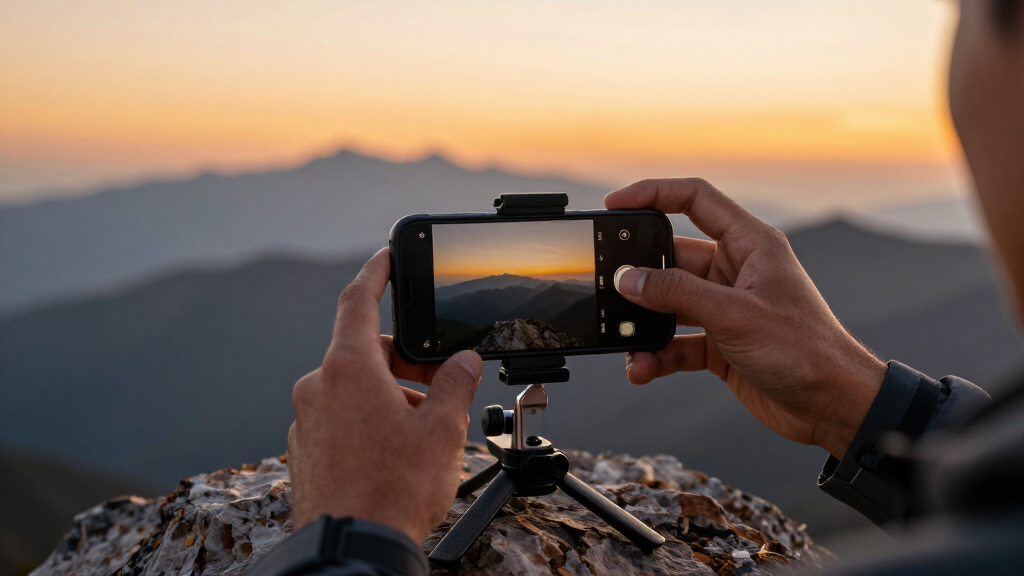

Smartphone telescope adapters let you capture what your telescope already shows by clamping your phone over the eyepiece, and the differences between models come down to fit range, alignment control, and rigidity. The Celestron NexYZ 3-Axis earns my top spot because its three-axis adjustment solves the single biggest frustration in digiscoping: getting the phone camera centered over the eyepiece quickly. The GOSKY PA27 stands out as a simpler, more affordable clamp that works across binoculars and spotting scopes, while the FANAUE magnetic adapter offers the fastest attach-and-shoot workflow I found among premium options. The core tradeoff in this category is precision versus speed — three-axis metal mounts hold alignment best for planets and the moon, but they take longer to set up than basic spring-clamp or magnetic designs. Read on for the full breakdown of all 15 adapters and which one fits your gear and budget.

Prime made for students and young adults
- Fast, free delivery for dorm and study essentials
- Prime Video and Amazon Music included
- Member-only deals
Key Takeaways
- Three-axis adjustment (XY plus Z-depth) was the single biggest differentiator — adapters with it, like the Celestron NexYZ and Tridaptor, held alignment far better than single-knob basic clamps once the phone was positioned.
- Eyepiece diameter compatibility was the most common mismatch risk: adapters ranged from narrow 25–48mm ranges to universal 36–62mm fits, and buying too narrow a clamp is the fastest way to waste money in this category.
- Metal-frame adapters consistently outperformed all-plastic models for high-magnification shots of the moon and planets, where even slight flex blurs the image; plastic remains a reasonable choice for casual daytime digiscoping.
- Bluetooth remotes and wireless shutters, included with the Celestron Smartphone Adapter & Bluetooth Remote and the 360° rotating adapter, mattered more than expected — tapping the screen vibrates the whole optical chain at high zoom.
- The FANAUE magnetic mount carved out a unique niche: it sacrifices some universal fit for near-instant attachment, making it the best pick for grab-and-go use on binoculars and monoculars rather than long imaging sessions.
| Celestron NexYZ 3-Axis Universal Smartphone Adapter for Telescope Imaging |  | Best Overall | Compatible Devices: Telescopes, Binoculars, Spotting Scopes, Monoculars, Microscopes | Eyepiece Compatibility: 35–60mm diameter (down to 25mm for microscopes with included adapters) | Mounting Type: Clamp | VIEW LATEST PRICE | See Our Full Breakdown |
| GOSKY Spotting Scope Phone Adapter for Binoculars, Monoculars & Telescopes (Model PA27) |  | Best Value | Model: PA27 | Eyepiece Compatibility: 30–57mm diameter | Phone Compatibility: 48–88mm (1.89–3.46 in) wide | VIEW LATEST PRICE | See Our Full Breakdown |
| Tridaptor Universal Phone Scope Digiscoping Adapter – 3-Axis Metal Smartphone Mount |  | Best Premium Build | Phone Compatibility Width: 2.36″–3.44″ (60–87.5mm) | Eyepiece Compatibility: 0.86″–2.4″ (22–61mm) outer diameter | Material: Aluminum with rubber pads | VIEW LATEST PRICE | See Our Full Breakdown |
| SVBONY Universal Cell Phone Adapter Mount (25-48mm Eyepiece) |  | Best Budget Starter Pick | Model: FUSW2546A | Compatible Phone Width: 52–100mm | Compatible Eyepiece Diameter: 25–48mm (1.25 inch) | VIEW LATEST PRICE | See Our Full Breakdown |
| Celestron NexYZ DX Smartphone Adapter for Telescopes and Optical Devices |  | Best for Wireless Capture | Compatible Devices: Telescopes, spotting scopes, binoculars, monoculars, microscopes | Eyepiece Diameter: 35–60mm; down to 25mm for microscopes with included adapters | Adjustment: Three-axis X, Y, and Z alignment | VIEW LATEST PRICE | See Our Full Breakdown |
| TRIDAPTOR 3-Axis Smartphone Digiscoping Adapter |  | Best Precision Alignment | Brand: MOVE SHOOT MOVE | Compatible Phones: 60–87.5 mm (2.36–3.44 in) wide | Eyepiece Diameter: 22–61 mm (0.86–2.4 in) | VIEW LATEST PRICE | See Our Full Breakdown |
| Universal Smartphone Adapter for Binoculars, Spotting Scopes, Telescopes, and Microscopes |  | Best Value All-Rounder | Eyepiece Compatibility: 16–50 mm | Rotation: 360° | Construction: ABS frame with non-slip rubber pads | VIEW LATEST PRICE | See Our Full Breakdown |
| LAKWAR Universal Telescope Phone Adapter Mount |  | Best for Travel and Hiking | Eyepiece Compatibility: 28–49 mm outer diameter | Phone Width: 65–105 mm (2.56–4.13 in) | Material: Soft rubber and EVA | VIEW LATEST PRICE | See Our Full Breakdown |
| Celestron Basic Telescope Eyepiece Smartphone Adapter |  | Best for Beginners | Brand: Celestron | Eyepiece Compatibility: 29–45 mm (includes 1.25″ telescope eyepieces) | Phone Compatibility: Most smartphones, most cases fit | VIEW LATEST PRICE | See Our Full Breakdown |
| Celestron Smartphone Adapter & Bluetooth Remote for Telescope Eyepieces |  | Best for Shake-Free Shots | Compatible Devices: Telescopes, spotting scopes, binoculars, monoculars, microscopes | Eyepiece Diameter: 29–45 mm (including 1.25″ eyepieces) | Material: Aluminum, metal, plastic | VIEW LATEST PRICE | See Our Full Breakdown |
| Starboosa Universal Smartphone Telescope and Microscope Adapter |  | Best Budget Starter Pick | Brand: Starboosa | Model: SB-021B | Phone Width Range: 55–85 mm (2.16–3.35 in) | VIEW LATEST PRICE | See Our Full Breakdown |
| GOSKY Spotting Scope Phone Adapter for Binoculars, Monoculars, and Microscopes |  | Best for Harsh Field Use | Brand: GOSKY | Eyepiece Compatibility: 28–47 mm diameter | Phone Width Compatibility: 2.13–3.54 inches (54–90 mm) | VIEW LATEST PRICE | See Our Full Breakdown |
| Tydeux Universal Telescope Eyepiece Smartphone Adapter |  | Best Phone Fit for Large Handsets | Brand: Tydeux | Eyepiece Outer Diameter: 26–46 mm (1.02–1.81 in) | Phone Width Range: 54–96 mm (2.13–3.78 in) | VIEW LATEST PRICE | See Our Full Breakdown |
| Jreiiolk 360° Rotating Digiscoping Mount with Wireless Shutter |  | Best Feature Set for the Price | Brand: Jreiiolk | Eyepiece Compatibility (Outer Diameter): 16–50 mm | Rotation: 360° | VIEW LATEST PRICE | See Our Full Breakdown |
| FANAUE S6 Magnetic Telescope Phone Adapter |  | Best Premium Quick-Attach Design | Brand: FANAUE | Model: S6 | Eyepiece Fit: 30–60 mm (1.18–2.36 in) | VIEW LATEST PRICE | See Our Full Breakdown |
| smartphone telescope adapter | Material | Warranty | Dimensions | Weight |
|---|---|---|---|---|
| Celestron NexYZ 3-Axis Univers | Cast Metal / Injection Molded Fiber-Reinforced Plastic | 2-Year US Warranty | — | — |
| GOSKY Spotting Scope Phone Ada | — | 1 year | 7.36 x 2.76 x 3.35 inches | — |
| Tridaptor Universal Phone Scop | Aluminum with rubber pads | — | — | — |
| SVBONY Universal Cell Phone Ad | Aluminum alloy shell, high-strength PA plastic clamp | 1 year; 30-day no-reason return | 4.88 x 1.57 x 2.2 inches | 112 g |
| Celestron NexYZ DX Smartphone | — | 2 years | 7.8 x 8.8 x 6.1 inches | 283 g |
| TRIDAPTOR 3-Axis Smartphone Di | Aluminum | — | 3.2 × 3.8 × 6.9 in | 233.5 g |
| Universal Smartphone Adapter f | — | — | — | — |
| LAKWAR Universal Telescope Pho | Soft rubber and EVA | — | 150 × 85 × 40 mm (5.9 × 3.3 × 1.6 in) | 88 g |
| Celestron Basic Telescope Eyep | — | 2-Year US Warranty | — | — |
| Celestron Smartphone Adapter & | Aluminum, metal, plastic | 2-Year US Warranty | 7 × 4 × 1.5 in | 0.17 kg |
| Starboosa Universal Smartphone | High-strength PA plastic with EVA padding | 1 year | — | 75 g (2.65 oz) |
| GOSKY Spotting Scope Phone Ada | Zinc alloy body, high-strength PA plastic phone clip | — | — | — |
| Tydeux Universal Telescope Eye | Aluminum alloy, PA plastic, EVA padding | 2 years | 5.91 × 1.57 × 3.07 in | 5.29 oz (150 g) |
| Jreiiolk 360° Rotating Digisco | ABS with non-slip rubber pads | — | 5.5 × 1.6 × 2.4 in | — |
| FANAUE S6 Magnetic Telescope P | Aluminum alloy | 2 years | 6 × 2.97 × 1 in | 80 g |
More Details on Our Top Picks
Celestron NexYZ 3-Axis Universal Smartphone Adapter for Telescope Imaging
The Celestron NexYZ earns the top spot because it solves the single biggest frustration in digiscoping: getting the camera centered over the eyepiece quickly. Its patented 3-axis knobs let you dial in alignment in seconds rather than nudging the phone by hand, which is exactly where cheaper single-axis mounts like the Celestron Basic Adapter fall behind. The spring-loaded platform also accommodates large phones with cases still on — a convenience the GOSKY PA27 doesn’t offer, since that model often requires case removal. Build quality is a step above the SVBONY, blending cast metal with reinforced plastic for a rigidity that keeps shots steady. The tradeoff is weight and bulk: at 16 ounces it’s heavier than most rivals, and the 10-ounce weight cap may exclude ultra-large phones with heavy accessories.
Pros:- Patented 3-axis knobs make precise camera alignment fast and repeatable
- Fits large phones with cases still installed, so setup stays quick
- Works across telescopes, binoculars, spotting scopes, monoculars, and microscopes
- Cast metal and reinforced plastic construction resists flexing during long exposures
Cons:- 10-ounce maximum weight capacity may exclude very heavy phones or add-on lenses
- Not water resistant, so damp observing conditions require extra care
Best for: Serious hobbyist astronomers and digiscopers who want fast, repeatable alignment across multiple optical devices
Not ideal for: Backpackers and travelers who count grams — at 16 ounces it’s one of the heaviest adapters in this lineup
- Compatible Devices:Telescopes, Binoculars, Spotting Scopes, Monoculars, Microscopes
- Eyepiece Compatibility:35–60mm diameter (down to 25mm for microscopes with included adapters)
- Mounting Type:Clamp
- Weight Capacity:Maximum 10 ounces
- Item Weight:16 ounces
- Material:Cast Metal / Injection Molded Fiber-Reinforced Plastic
- Warranty:2-Year US Warranty
Our verdict“If you want one adapter that aligns quickly, holds firm, and works on nearly any optic, this is the one to buy.”
GOSKY Spotting Scope Phone Adapter for Binoculars, Monoculars & Telescopes (Model PA27)
The GOSKY PA27 delivers most of what the Celestron NexYZ does — 3-axis alignment, broad eyepiece fit, and multi-device compatibility — at a friendlier price point. Its standout feature is the built-in 1/4″-20 tripod thread, which the base NexYZ lacks; that thread means you can hang the whole assembly on a tripod for hands-free, shake-free shooting with a remote trigger. Compared with the SVBONY, the PA27’s phone range (48–88mm) is more generous toward today’s larger flagship devices. The compromises are real, though: thick cases generally need to come off before mounting, and the manual 3-step alignment has a learning curve that beginners may find fiddly on their first few nights out.
Pros:- 3-axis precision alignment with a simple 3-step setup
- Built-in 1/4″-20 tripod thread enables stable hands-free shooting and remote triggering
- Wide phone range (48–88mm) covers recent iPhone, Samsung, Pixel, and OnePlus models
- Fits eyepieces from 30–57mm across spotting scopes, binoculars, monoculars, and telescopes
Cons:- Thick phone cases usually must be removed before mounting
- Manual alignment takes practice, especially for first-time digiscopers
Best for: Budget-conscious birders and backyard astronomers who want 3-axis precision plus tripod mounting without paying premium-brand prices
Not ideal for: Anyone who keeps a rugged case on their phone — repeated case removal makes casual snap-shooting tedious
- Model:PA27
- Eyepiece Compatibility:30–57mm diameter
- Phone Compatibility:48–88mm (1.89–3.46 in) wide
- Alignment:3-axis precision
- Mount:1/4″-20 tripod thread
- Dimensions:7.36 x 2.76 x 3.35 inches
- Warranty:1 year
Our verdict“The smart pick if you want NexYZ-style adjustability and tripod support while spending less.”
Tridaptor Universal Phone Scope Digiscoping Adapter – 3-Axis Metal Smartphone Mount
What separates the Tridaptor from plastic-framed rivals like the GOSKY PA27 and SVBONY is its all-aluminum construction. Rigid metal means the phone doesn’t sag or drift mid-session — a common failure mode that ruins long video captures on lighter mounts. The included Bluetooth remote shutter matches the Celestron NexYZ DX’s accessory bundle, letting you trigger shots without touching (and shaking) the rig. Its eyepiece range of 22–61mm is also the widest in this batch, covering premium spotting scope eyepieces from Swarovski, Zeiss, and Kowa that other adapters can’t grip. The catch: you must measure your eyepiece before buying, and short-barrel eyepieces simply won’t work, so check carefully rather than assuming universal fit.
Pros:- Full aluminum build prevents the phone sagging that plagues plastic adapters
- Widest eyepiece range in this batch (22–61mm), covering premium optics brands
- Bluetooth remote enables shake-free photo and video capture
- Rubber pads protect both phone and eyepiece from scratches
Cons:- Not suitable for shorter eyepiece designs — pre-purchase measuring is required
- Maximum eyepiece diameter of 2.4″ excludes some large 2-inch astronomical eyepieces
Best for: Owners of premium spotting scopes (Swarovski, Zeiss, Kowa) who need a rigid, no-sag mount for extended digiscoping sessions
Not ideal for: Anyone unwilling to measure their eyepiece first — short eyepiece models fall outside its compatibility window
- Phone Compatibility Width:2.36″–3.44″ (60–87.5mm)
- Eyepiece Compatibility:0.86″–2.4″ (22–61mm) outer diameter
- Material:Aluminum with rubber pads
- Adjustment Axes:3 (X, Y, Z)
- Includes:Bluetooth remote shutter
- Compatible Brands:Vortex, Swarovski, Celestron, Nikon, Zeiss, Kowa, Leupold
Our verdict“The build-quality pick for digiscopers whose expensive optics deserve an equally rigid mount.”
SVBONY Universal Cell Phone Adapter Mount (25-48mm Eyepiece)
For a first dip into telescope photography, the SVBONY keeps things simple and affordable. It skips the 3-axis dial system of the Celestron NexYZ in favor of a steel bolt locking mechanism, which is slower to align but holds position firmly once set — arguably better for a beginner learning where the camera actually needs to sit. At just 112 grams, it’s dramatically lighter than both NexYZ models, making it easy to toss in an accessory case. The limitations define the price tier: it only fits 25–48mm (1.25″) eyepieces, so 2-inch wide-field eyepieces are out, and there’s no Bluetooth remote like the NexYZ DX includes. Expect a patient learning curve before your first decent planetary photo.
Pros:- Lightweight 112g aluminum alloy build travels easily
- Secure steel bolt locking mechanism instead of a tension spring
- Wide phone compatibility from 52–100mm width
- EVA pads protect the phone surface from scratches
Cons:- Not compatible with 2-inch eyepieces, limiting upgrade paths
- Alignment requires patience and practice before photos turn out well
Best for: First-time telescope owners who want to try phone photography without committing much money upfront
Not ideal for: Owners of 2-inch eyepieces or anyone wanting fast dial-in alignment — the bolt-lock design is slow to adjust
- Model:FUSW2546A
- Compatible Phone Width:52–100mm
- Compatible Eyepiece Diameter:25–48mm (1.25 inch)
- Material:Aluminum alloy shell, high-strength PA plastic clamp
- Weight:112 g
- Dimensions:4.88 x 1.57 x 2.2 inches
- Warranty:1 year; 30-day no-reason return
Our verdict“A low-risk entry point for trying digiscoping before investing in a 3-axis premium adapter.”
Celestron NexYZ DX Smartphone Adapter for Telescopes and Optical Devices
The NexYZ DX is the evolution of the standard NexYZ: it keeps the same three-axis X, Y, Z alignment knobs and spring-loaded platform, but adds a Bluetooth shutter remote in the box. That remote matters more than it sounds — touching the screen to fire the shutter is a leading cause of blurry astro shots, and remote triggering quietly fixes it. Compared with the Tridaptor, the DX is lighter (283g vs. a heavier all-metal frame) and slightly more portable, though its polymer body flexes a touch more under heavy phones. Like the original NexYZ, it clamps eyepieces from 35–60mm and drops to 25mm on microscopes with the included adapters. At 7.8 x 8.8 x 6.1 inches packed, it’s bulkier in a bag than the compact SVBONY.
Pros:- Included Bluetooth remote enables hands-free, shake-free shutter triggering
- Three-axis knobs deliver the same fast alignment as the original NexYZ
- Spring-loaded platform makes swapping phones quick between users
- Works across telescopes, spotting scopes, binoculars, monoculars, and microscopes
Cons:- Requires careful alignment with each eyepiece change
- Phone compatibility can depend on case size and phone dimensions
- Bulky packed dimensions take up more bag space than compact rivals
Best for: Astro-imagers and wildlife videographers who want shake-free remote shutter control straight out of the box
Not ideal for: Owners of ultra-large phones in thick cases — fit depends on exact phone and case dimensions
- Compatible Devices:Telescopes, spotting scopes, binoculars, monoculars, microscopes
- Eyepiece Diameter:35–60mm; down to 25mm for microscopes with included adapters
- Adjustment:Three-axis X, Y, and Z alignment
- Included Accessory:Bluetooth shutter release remote
- Materials:Metal frame and polymer body
- Weight:283 g
- Dimensions:7.8 x 8.8 x 6.1 inches
- Warranty:2 years
Our verdict“Choose this over the standard NexYZ if remote-triggered, blur-free capture is your priority.”
TRIDAPTOR 3-Axis Smartphone Digiscoping Adapter
Most budget adapters force you to nudge the phone by hand until the camera happens to line up with the eyepiece. TRIDAPTOR’s three-axis adjustment solves that, letting you dial in exact lateral, vertical, and depth positioning — the same approach that makes the Celestron NexYZ a favorite among serious digiscopers, but in a lighter 233 g package. The all-aluminum build is noticeably more rigid than plastic rivals like the LAKWAR mount, which pays off in sharper, shake-free lunar shots at high magnification. Rubber pads protect both phone and eyepiece from scuffs. The tradeoff: you get precision, not convenience. Compatibility windows are firm — eyepieces must measure 22–61 mm and phones 60–87.5 mm wide — and the three-axis mechanism adds setup time compared with simple clamp designs.
Pros:- Three-axis adjustment delivers precise, repeatable camera alignment
- Rigid aluminum construction minimizes vibration at high magnification
- Fits a very wide 22–61 mm eyepiece range
- Rubber pads protect both phone and eyepiece from scratches
Cons:- Phone width limited to 60–87.5 mm — large flagships with cases may not fit
- Three-axis setup is slower than simple two-knob clamp designs
Best for: Astro photographers and digiscopers who need repeatable, precise camera alignment for lunar and planetary imaging
Not ideal for: Casual users who want a grab-and-go clamp — the three-axis tuning takes minutes, not seconds, and large phones over 87.5 mm wide won’t fit
- Brand:MOVE SHOOT MOVE
- Compatible Phones:60–87.5 mm (2.36–3.44 in) wide
- Eyepiece Diameter:22–61 mm (0.86–2.4 in)
- Material:Aluminum
- Adjustments:Three-axis
- Dimensions:3.2 × 3.8 × 6.9 in
- Weight:233.5 g
Our verdict“This is the pick for anyone serious about sharp telescope photos, provided your phone and eyepiece fall within its measured limits.”
Universal Smartphone Adapter for Binoculars, Spotting Scopes, Telescopes, and Microscopes
If you want one adapter that jumps between binoculars, a spotting scope, and a microscope without fuss, this is the most flexible budget option in the lineup. The 16–50 mm eyepiece range is broader at the small end than the Celestron Basic (29–45 mm), so compact binocular eyepieces that Celestron can’t grip will work here. Tool-free quick-release clamps and 360° rotation make switching devices and shooting angles fast — faster than the multi-knob TRIDAPTOR. The compromises are structural: an ABS frame flexes more than aluminum rivals under a heavy phone, and the single alignment window targets only the main wide camera. If your best shots come from the ultra-wide or telephoto lens, this adapter will frustrate you.
Pros:- Fits the widest small-end eyepiece range (16–50 mm) in this group
- Tool-free quick-release installation in seconds
- 360° rotation for portrait, landscape, or angled viewing
- Dual locks and non-slip rubber pads hold phone and eyepiece securely
Cons:- ABS plastic frame is less rigid than metal rivals like the TRIDAPTOR
- Only the main wide camera lens aligns — secondary lenses are unusable
Best for: Multi-optic owners — birders with binoculars plus a scope — who want one inexpensive, tool-free adapter for everything
Not ideal for: Photographers who shoot through telephoto or ultra-wide lenses, since the single window only aligns the main camera
- Eyepiece Compatibility:16–50 mm
- Rotation:360°
- Construction:ABS frame with non-slip rubber pads
- Installation:Tool-free, quick-release design
- Camera Alignment:Single window for main wide lens
- Included:1 phone adapter
Our verdict“A smart low-cost pick for casual shooting across many optics, as long as your main camera is the one you use.”
LAKWAR Universal Telescope Phone Adapter Mount
At just 88 g, the LAKWAR weighs roughly a third of the TRIDAPTOR and slides into a jacket pocket — a real advantage when the telescope lives at the end of a trail. Setup takes under a minute, and the 65–105 mm phone range comfortably swallows large flagships with slim cases, which the narrower TRIDAPTOR (max 87.5 mm) cannot. The adjustable holder is also thoughtfully shaped to avoid pressing power and volume buttons, a common annoyance on cheaper clamps. Compared with the GOSKY PA27, this one trades some clamping heft for portability. The catch is alignment: there’s no fine-adjust mechanism, so centering the camera over the eyepiece is trial and error, and eyepieces outside 28–49 mm simply won’t mount — narrower than this roundup’s universal leaders.
Pros:- Featherweight 88 g design that packs flat for travel
- Fits phones up to 105 mm wide, including large models with cases
- Setup in under a minute with no tools
- Rubber and EVA padding prevents scratches and button presses
Cons:- No fine-adjustment mechanism — camera alignment is manual and fiddly
- Eyepiece range of 28–49 mm excludes some larger telescope eyepieces
Best for: Hikers and travelers who carry a monocular or compact scope and need a featherweight adapter that fits big phones
Not ideal for: Owners of wide telescope eyepieces over 49 mm, or anyone who expects fine-alignment knobs for precise imaging
- Eyepiece Compatibility:28–49 mm outer diameter
- Phone Width:65–105 mm (2.56–4.13 in)
- Material:Soft rubber and EVA
- Dimensions:150 × 85 × 40 mm (5.9 × 3.3 × 1.6 in)
- Weight:88 g
- Included Accessories:3 additional rubber rings
- Compatible Devices:iPhone, Samsung, Huawei, LG, Sony, and most smartphones
Our verdict“The one to throw in a pack for field trips with a monocular, but not the tool for precision astro work.”
Celestron Basic Telescope Eyepiece Smartphone Adapter
This is the adapter I’d hand to someone taking their first phone photo through a telescope. Celestron keeps it simple: an adjustable clamp, one alignment knob, and 90° rotation for portrait or landscape — no multi-axis puzzle to learn before you capture the moon. The metal-frame build feels sturdier than the ABS-body Universal adapter, and a 2-year US warranty with real support backs it up, which budget brands don’t offer. The 29–45 mm eyepiece range covers standard 1.25-inch telescope eyepieces, the most common type beginners own. Be realistic about limits, though: single-knob alignment is coarser than the TRIDAPTOR’s three-axis system, so getting the camera perfectly centered takes patience, and 2-inch eyepieces or chunky spotting scope oculars fall outside its grip.
Pros:- Simple clamp-and-knob design that beginners can master quickly
- Metal frame and polymer body built for field use
- 90° rotation for portrait or landscape framing
- 2-year US warranty with access to Celestron support
Cons:- Manual single-knob alignment is fiddly compared with three-axis adapters
- Eyepiece range of 29–45 mm excludes 2-inch and oversized eyepieces
Best for: First-time telescope owners with standard 1.25-inch eyepieces who want a dependable, supported starter adapter
Not ideal for: Upgraders chasing precision — the single alignment knob can’t match three-axis models like the NexYZ or TRIDAPTOR
- Brand:Celestron
- Eyepiece Compatibility:29–45 mm (includes 1.25″ telescope eyepieces)
- Phone Compatibility:Most smartphones, most cases fit
- Orientation:Rotatable 90° (portrait/landscape)
- Construction:Metal frame and polymer body
- Warranty:2-Year US Warranty
Our verdict“The safest first adapter for standard telescope eyepieces, with brand support that cheap generics can’t match.”
Celestron Smartphone Adapter & Bluetooth Remote for Telescope Eyepieces
The included Bluetooth shutter remote is what separates this kit from every other Celestron option here. Touching the screen to snap a photo vibrates the whole rig — and at telescope magnifications, that blur ruins images. With the remote, you trigger the shutter hands-free, which matters more for image quality than any clamp upgrade. Mechanically it shares the same 29–45 mm eyepiece fit and metal-polymer construction as the Celestron Basic, so choose this version if the remote justifies the step up. Against the TRIDAPTOR, it trades three-axis precision for vibration-free triggering — ideally you’d have both. One honest gap: it’s not water resistant, so dew-heavy nights and rainy birding sessions demand care, and alignment still requires manual fiddling like the Basic model.
Pros:- Bluetooth remote eliminates touch-induced camera shake
- Universal fit works with most smartphones even in cases
- Same durable metal-polymer build as Celestron’s pricier adapters
- 2-year US warranty and expert support included
Cons:- No water resistance limits use in damp field conditions
- Camera alignment remains a manual, fiddly process
Best for: Lunar and planetary photographers whose shots are spoiled by screen-tap vibration and who want a wired-free shutter solution
Not ideal for: All-weather wildlife shooters — no water resistance means dew or drizzle puts it away
- Compatible Devices:Telescopes, spotting scopes, binoculars, monoculars, microscopes
- Eyepiece Diameter:29–45 mm (including 1.25″ eyepieces)
- Material:Aluminum, metal, plastic
- Dimensions:7 × 4 × 1.5 in
- Weight:0.17 kg
- Water Resistance:Not water resistant
- Warranty:2-Year US Warranty
Our verdict“The adapter to buy when blurry, shake-ruined shots are your main frustration — the remote alone earns its place.”
Starboosa Universal Smartphone Telescope and Microscope Adapter
The Starboosa SB-021B is the low-commitment entry point into digiscoping: at just 75 g, it is the lightest adapter in this batch, and its EVA-padded clamp covers both phones and eyepieces without much fuss. This pick makes the most sense for someone who wants to try phone-through-eyepiece photography on a telescope and a microscope without spending much. Compared with the GOSKY adapter, the fit range is narrower — eyepieces top out at 44 mm versus GOSKY’s 47 mm — so very large spotting scope eyepieces may not clamp on. There is also no metal in the load path; the all-PA plastic build flexes a bit more than the zinc alloy GOSKY or the aluminum Tydeux, which can mean slight framing drift over a long session.
Pros:- Featherweight 75 g design travels anywhere
- Soft EVA pads protect both phone and eyepiece from scratches
- Works across telescopes, microscopes, binoculars, monoculars, and spotting scopes
- Adjustable phone and eyepiece fit within a decent size range
Cons:- Eyepiece ceiling of 44 mm excludes some larger spotting scope eyepieces
- All-plastic construction flexes more than metal rivals, causing alignment drift
Best for: Students and hobbyists who want one cheap adapter to share between a microscope and a small telescope
Not ideal for: Owners of wide eyepieces above 44 mm or anyone needing rock-solid framing for long exposures
- Brand:Starboosa
- Model:SB-021B
- Phone Width Range:55–85 mm (2.16–3.35 in)
- Eyepiece Diameter:22–44 mm (0.86–1.73 in)
- Weight:75 g (2.65 oz)
- Material:High-strength PA plastic with EVA padding
- Compatible Devices:Smartphones, telescopes, microscopes, binoculars, monoculars, spotting scopes
- Warranty:1 year
Our verdict“A low-risk first adapter for casual multi-device use, as long as your eyepieces stay under 44 mm.”
GOSKY Spotting Scope Phone Adapter for Binoculars, Monoculars, and Microscopes
Where the Starboosa leans plastic, the GOSKY goes zinc alloy in the body, and that difference matters if you shoot in wind, dust, or damp conditions — this is the model I would point field birders toward. The 28–47 mm eyepiece range is among the widest in this batch, covering most binoculars and spotting scopes on the market, and the three-step setup (insert phone, align camera, tighten knob) is genuinely beginner-friendly. The tradeoff: unlike the Jreiiolk rotating mount, there is no 360° rotation or wireless shutter, so you are stuck physically tapping the screen to fire the shutter, which can introduce shake at high magnification. Alignment also needs redoing each time you swap devices, which gets tedious if you alternate between binoculars and a scope frequently.
Pros:- Zinc alloy body withstands field abuse and harsh weather
- Wide 28–47 mm eyepiece range fits most optics available
- Simple three-step setup that beginners can handle in minutes
- Fits nearly all current smartphones up to 90 mm wide
Cons:- No wireless shutter, so tapping the screen can shake long shots
- Camera-to-eyepiece alignment must be redone when switching devices
Best for: Birders and wildlife watchers who digiscope outdoors in rough weather with binoculars or spotting scopes
Not ideal for: Anyone switching between multiple optics constantly — realignment after each swap becomes a chore
- Brand:GOSKY
- Eyepiece Compatibility:28–47 mm diameter
- Phone Width Compatibility:2.13–3.54 inches (54–90 mm)
- Material:Zinc alloy body, high-strength PA plastic phone clip
- Setup:Three-step knob-tightening alignment
- Compatible Devices:Most smartphones including iPhone SE through 16 Pro Max, Samsung Galaxy S4–S20, Note 4–20, and more
Our verdict“The rugged, wide-fitting choice for outdoor digiscopers who value durability over convenience features.”
Tydeux Universal Telescope Eyepiece Smartphone Adapter
The standout spec here is the phone width range: 54–96 mm — wider than the Starboosa’s 85 mm ceiling and enough to swallow large flagship phones in thicker cases. Pair that with an aluminum alloy body and a two-year warranty (double the Starboosa’s), and the Tydeux positions itself as the sturdier mid-range option. Its 26–46 mm eyepiece range sits between the GOSKY and the Jreiiolk, covering standard telescope and microscope eyepieces comfortably. What holds it back from a higher slot: at 5.29 oz it is the heaviest in this batch, and it carries no water resistance, so the GOSKY remains the better call for damp field work. Alignment is also a manual fiddle, with none of the magnetic speed the FANAUE S6 offers.
Pros:- Class-leading 54–96 mm phone width range fits big phones and cases
- Aluminum alloy body is more rigid than plastic rivals
- Two-year warranty doubles the Starboosa’s coverage
- EVA padding protects phone finishes from scratches
Cons:- Heaviest adapter in this batch at 5.29 oz
- No water resistance for outdoor or humid use
Best for: Owners of large phones or thicker cases who found other clips too tight, and who mostly shoot from a fixed position
Not ideal for: Hikers and wet-weather users — the weight and lack of water resistance make it a poor trail companion
- Brand:Tydeux
- Eyepiece Outer Diameter:26–46 mm (1.02–1.81 in)
- Phone Width Range:54–96 mm (2.13–3.78 in)
- Material:Aluminum alloy, PA plastic, EVA padding
- Dimensions:5.91 × 1.57 × 3.07 in
- Weight:5.29 oz (150 g)
- Warranty:2 years
Our verdict“The fit-and-build champion for big handsets, if you can live with the weight.”
Jreiiolk 360° Rotating Digiscoping Mount with Wireless Shutter
Nothing else in this batch matches the Jreiiolk on convenience features. The 16–50 mm eyepiece range is the widest here — dipping below the Tydeux’s 26 mm floor for small microscope eyepieces — and the 360° rotation lets you flip between portrait and landscape framing without unclamping. The bundled wireless shutter solves the shake problem the GOSKY leaves you with, and the tool-free quick-release gets you shooting in seconds. The catch is the single-window design: only the primary camera aligns, so ultra-wide and telephoto secondary lenses are off-limits, and the ABS construction is a step down from the GOSKY’s zinc alloy or the Tydeux’s aluminum. Bulky cases may also fail to clamp, which undercuts the Tydeux’s advantage for protected phones.
Pros:- Widest eyepiece range in the batch at 16–50 mm
- 360° rotation for instant portrait/landscape switching
- Wireless shutter eliminates tap-induced blur
- Tool-free quick-release setup in seconds
Cons:- Single-window design blocks telephoto and ultra-wide secondary lenses
- ABS build is less robust than metal rivals
- May not accommodate bulky phone cases
Best for: Content creators who want rotation, a remote shutter, and the widest eyepiece coverage in one affordable package
Not ideal for: Photographers who rely on their phone’s telephoto or ultra-wide lenses for digiscoping
- Brand:Jreiiolk
- Eyepiece Compatibility (Outer Diameter):16–50 mm
- Rotation:360°
- Mount Type:Altazimuth with dual-lock system
- Material:ABS with non-slip rubber pads
- Dimensions:5.5 × 1.6 × 2.4 in
- Includes:Phone adapter, wireless shutter
- Compatible Devices:Smartphones, telescopes, spotting scopes, microscopes, telescopic sights
Our verdict“The most feature-complete value pick here — as long as you shoot with the main camera only.”
FANAUE S6 Magnetic Telescope Phone Adapter
The FANAUE S6 takes a fundamentally different approach from every clamp-style adapter above: magnets. Instead of cranking knobs like on the GOSKY or Tydeux, you drop the phone onto the mount and it snaps into place — the difference between seconds and minutes when a bird or a passing cloud won’t wait. The precision-machined aluminum frame rivals the Tydeux’s build quality while weighing just 80 g, and it is the only adapter in this batch with water resistance. Two caveats temper the premium appeal: the 30–60 mm eyepiece range starts higher than the Jreiiolk’s 16 mm floor, so small microscope eyepieces are out, and FANAUE advises measuring your eyepiece before ordering. Manual camera alignment also takes patience on first setup.
Pros:- Magnetic attachment mounts and releases the phone in seconds
- Precision-machined aluminum construction at only 80 g
- Only water-resistant adapter in this batch
- Generous 30–60 mm eyepiece range covers large spotting scopes others can’t
Cons:- Eyepiece floor of 30 mm excludes smaller microscope eyepieces
- Manual camera alignment requires patient adjustment
- Requires measuring eyepiece diameter before purchase to guarantee fit
Best for: Serious wildlife and stargazing photographers who need to mount and remove their phone instantly between viewing sessions
Not ideal for: Microscope users with eyepieces under 30 mm — the clamp simply won’t grip them
- Brand:FANAUE
- Model:S6
- Eyepiece Fit:30–60 mm (1.18–2.36 in)
- Mounting Type:Magnetic with rotating adjustment
- Material:Aluminum alloy
- Dimensions:6 × 2.97 × 1 in
- Weight:80 g
- Water Resistance:Water resistant
- Warranty:2 years
Our verdict“The premium snap-on choice for fast-moving outdoor shooting, provided your eyepieces measure 30 mm or more.”
How We Picked
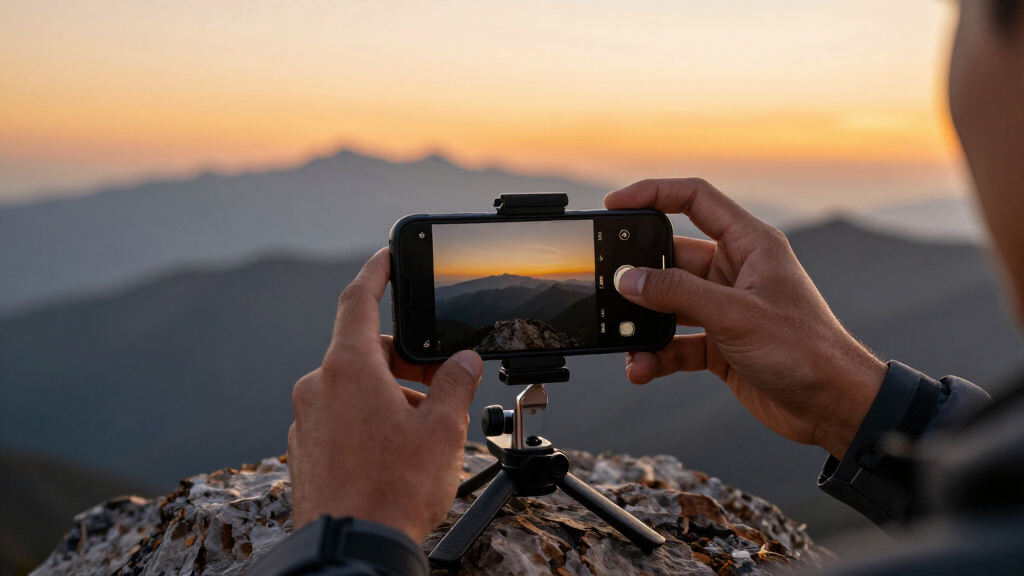
I evaluated each adapter against the factors that actually determine whether a phone photo through a telescope succeeds. Fit range came first: I checked both the eyepiece diameter range (some clamps only span 25–48mm, excluding large 2-inch eyepieces) and phone compatibility, including whether tall multi-lens phones fit the cradle. Alignment mechanics ranked equally high — three-axis adjusters, two-axis designs, and simple fixed clamps behave very differently when you’re trying to center a camera lens over an exit pupil. Build rigidity separated the metal-bodied mounts from plastic versions, since flex at high magnification ruins otherwise perfect alignment.
Beyond the hardware itself, I weighed setup speed, because an adapter that takes ten minutes to position discourages actual use, and versatility across binoculars, monoculars, spotting scopes, and microscopes. Adapters that include Bluetooth shutter remotes earned credit for reducing camera shake. The ranking reflects a balance of these criteria: precision-oriented metal mounts with wide fit ranges sit at the top, affordable and beginner-friendly models fill the value tier, and specialized designs like the magnetic FANAUE are placed for the specific buyer they serve best rather than ranked as all-arounders.
Factors to Consider When Choosing Smartphone Telescope Adapters
Before choosing an adapter, it helps to understand what actually drives success and failure when pairing a phone with a telescope. These factors matter more than brand names, and getting them wrong is the most common reason buyers end up returning adapters.Eyepiece Diameter and Phone Fit
The number one mistake in this category is buying an adapter whose eyepiece clamp range doesn’t match your optics. Most astronomical eyepieces fall between 28mm and 45mm in outer diameter, but large 2-inch eyepieces and some wide-angle designs run wider than 50mm, which locks out narrow-range clamps. On the phone side, check the cradle’s maximum width and depth — modern phones with triple camera arrays and thick cases frequently exceed older adapters’ phone trays. If you own multiple optical devices, a universal 36–62mm eyepiece range gives you the flexibility to move between telescope, binoculars, and spotting scope without buying two mounts. Measure your eyepiece’s outer barrel with calipers or a ruler before ordering, since manufacturer specs for eyepieces usually refer to the barrel, not the housing you’ll actually clamp onto.
One-Axis, Two-Axis, or Three-Axis Adjustment
Adjustment axes determine how much time you’ll spend centering your camera over the eyepiece, and this is where the real price difference in this category lives. A basic fixed clamp relies on you nudging the phone by hand and tightening it — workable, but frustrating when the image drifts as you tighten the screws. Two-axis (XY) adjusters let you slide the phone in the horizontal plane to center the lens over the exit pupil. Three-axis designs add depth adjustment, letting you position the camera at the exact distance from the eyepiece glass, which reduces vignetting and improves sharpness at the edges. If you plan to image the moon or planets regularly, the three-axis premium pays for itself in saved setup time and fewer throwaway shots. For occasional daytime birding snapshots, a basic clamp is honestly sufficient.
Build Material and Rigidity
At telescope magnifications, the effective focal length hitting your phone camera can exceed 1000mm, and at those scales even tiny flex translates into visible blur. All-metal adapters with machined adjustments hold their position when you touch the shutter or a breeze hits the scope. Plastic-bodied models are lighter and cheaper, and they perform acceptably at low magnification or for lunar shots at moderate zoom, but they tend to develop play in their hinges and knobs over time. Hybrid designs — metal frame with plastic adjustment knobs — sit in between and represent a sensible middle ground for most buyers. Weight also matters in reverse: a heavy metal adapter on a small refractor or compact spotting scope can overload the focuser or tripod head, so match the adapter’s mass to your instrument.
Camera Shake and Shutter Control
The most underappreciated factor in phone digiscoping is that touching the screen to take the photo shakes the entire optical chain. At high magnification, tapping the shutter button can produce more blur than a slightly misaligned adapter. The fix costs almost nothing: use your phone’s volume-button shutter, the built-in timer, or a Bluetooth remote — which is why adapters bundling a wireless remote offer genuine added value rather than a gimmick. Combining a remote with your phone’s exposure lock produces noticeably sharper results. If you choose an adapter without a remote, plan on using the self-timer as your standard workflow, and set it to at least three seconds so any residual vibration from pressing the button dissipates before the shutter fires.
Speed Versus Precision: Matching the Adapter to Your Use Case
Not every buyer needs maximum precision, and overbuying is its own mistake. Long imaging sessions targeting planets reward slow, precise three-axis mounts that you set up once and leave attached. Grab-and-go situations — quick bird sightings, moon snapshots at a star party, travel digiscoping — favor fast-attaching designs, including magnetic mounts and spring clamps that deploy in seconds. Ask yourself honestly how often you’ll swap the adapter between devices; frequent swappers should prioritize tool-free attachment, while single-scope users can tolerate thumb-screws that take a minute to secure. There’s also a learning-curve tradeoff: highly adjustable mounts have more knobs to understand, which can discourage beginners who just want a first photo of the moon tonight. Choose the adapter that matches your patience level, not the one with the most features.
Budget Realism and Upgrade Path
Adapters in this category span a wide price range, but the relationship between price and performance is not linear. The jump from a basic spring clamp to a two-axis metal adapter delivers a large, immediately noticeable improvement in usability. The jump from two-axis to premium three-axis builds delivers a smaller gain that mostly matters at high magnification. Below the budget floor, ultra-cheap universal clamps often suffer from weak springs and stripped plastic threads — a false economy even for casual use. A sensible upgrade path is to start with a solid two-axis metal mount, learn digiscoping technique on the moon (an easy, bright target), and only move to a premium three-axis or dedicated rig if you find yourself regularly chasing planetary detail. Skipping the cheapest tier entirely is the one spending rule I’d apply across every buyer type.
Frequently Asked Questions
Will a smartphone telescope adapter work with any phone, including iPhones with multiple cameras?
Most universal adapters fit phones between roughly 55mm and 95mm wide, which covers current iPhones and Android flagships, but multi-lens camera bumps create two specific problems. First, the phone cradle must be deep enough to hold the phone flat despite the raised camera module, or the clamp will tilt the lens off-axis. Second, you need the adapter’s XY adjustment range to position one specific lens — usually the main wide lens — over the eyepiece; phones with fixed, non-adjustable cradles often force you to shoot through the wrong lens or accept heavy vignetting. Three-axis and two-axis models handle this best because you can slide the phone until the correct lens lines up with the exit pupil. Before buying, remove your phone case and check its width against the adapter’s stated range, since bulky cases are the most common fit failure.
Can I really get good moon and planet photos with just a phone adapter, or do I need dedicated astro cameras?
A phone adapter can genuinely produce impressive lunar images, and Jupiter’s cloud bands and Saturn’s rings are achievable with steady air and patient technique — the moon is by far the most rewarding first target because it’s bright, large, and forgiving of alignment errors. Planetary work demands more from your adapter: at high magnification, any flex or drift in the mount shows up as smeared detail, which is why rigid metal three-axis adapters dominate this niche. The technique matters as much as the hardware. Many successful phone imagers record short video clips and stack the best frames with free software, which cancels out atmospheric turbulence far better than single stills. Dedicated planetary cameras still outperform phones, but the gap is smaller than most beginners expect, and an adapter costs a fraction of a dedicated imaging rig.
Why do my phone photos through the telescope come out as dark circles with black corners?
That dark circle with black edges is vignetting, and it means your phone camera lens isn’t centered or isn’t close enough to the eyepiece glass. The fix depends on your adapter type: with a three-axis or two-axis mount, slowly adjust the XY knobs while watching the live preview until the circular field of view opens up to fill the frame, then use the depth axis to bring the lens nearer the eyepiece without touching the glass. With a basic fixed clamp, loosen the phone tray slightly, nudge the phone toward the center of the bright circle, and retighten — tedious, but it works. Zooming in slightly on your phone (1.5x to 2x) also helps by narrowing the camera’s field of view past the vignette, though excessive digital zoom degrades detail. If vignetting persists no matter what, your eyepiece’s eye relief may be too short for phone imaging, and a longer eye-relief eyepiece is the real solution.
Are magnetic phone adapters like the FANAUE stable enough for telescope use, or should I stick with clamps?
Magnetic adapters are stable enough for lunar and low-to-moderate magnification work provided the metal ring adheres properly to your phone or case, and they excel at rapid target changes on binoculars and spotting scopes. The tradeoff appears at high magnification and with heavier phones: magnets can shift slightly if the scope or tripod gets bumped, and a hard knock can dislodge the phone entirely — a risk worth thinking about if you’re working over pavement. Clamp-style mounts grip mechanically and won’t release accidentally, which is why they remain the standard for long planetary imaging sessions. A practical compromise is to use a magnetic mount with a safety tether or leash, available cheaply, which catches the phone if the magnet releases. Choose magnetic for speed and convenience; choose clamps when the shot takes priority over the setup time.
Should I buy one universal adapter for all my optics or separate adapters for telescope and binoculars?
One universal adapter is the better starting choice for most buyers, because the wide 36–62mm eyepiece ranges on models like the NexYZ and Tridaptor accommodate telescope eyepieces, spotting scopes, monoculars, and binocular eyepieces with a single purchase. The exceptions where separate adapters make sense are specific: binocular eyepieces are often narrower and more closely spaced than telescope eyepieces, so a bulky three-axis mount can physically collide with the second barrel or your face while observing with both eyes. In that situation, a compact low-profile clamp or magnetic mount dedicated to the binoculars complements your main telescope adapter nicely. Microscope users face a similar issue, since microscope eyepieces and the vertical orientation sometimes suit specialized designs better. Start universal, then add a specialized second adapter only after you’ve identified a concrete frustration the first one can’t solve.
Conclusion
Matching the adapter to the buyer matters more in this category than in most, because the right choice depends entirely on what you’re pointing your optics at and how patiently you’ll set up. For the best overall pick, the Celestron NexYZ 3-Axis delivers the alignment precision, metal build, and wide fit range that serve the broadest range of telescope users. The Tridaptor 3-Axis sits right behind it as a strong alternative if you want similar adjustability with a different eyepiece fit, and it doubles as my pick for the best premium-style value among precision mounts.
For the best value, the GOSKY PA27 covers binoculars, monoculars, and telescopes at a accessible price with dependable basics, while the SVBONY universal mount is the budget runner-up for single-device users. Beginners should start with the Celestron Basic Eyepiece Adapter or the Celestron adapter with Bluetooth remote — the remote in particular teaches good shake-free habits from day one. For specific needs: the FANAUE magnetic mount is the clear pick for grab-and-go speed on binoculars and spotting scopes, the NexYZ DX suits owners of Celestron’s DX-optimized optics, the 360° rotating adapter with wireless shutter fits users who need portrait-landscape framing flexibility, and the Starboosa and Tydeux models serve microscope-and-telescope dual users. Whatever you choose, measure your eyepiece first, start with the moon as your first target, and use a timer or remote on every shot.
Fall Picks
fall essentials
As an affiliate, we earn on qualifying purchases.