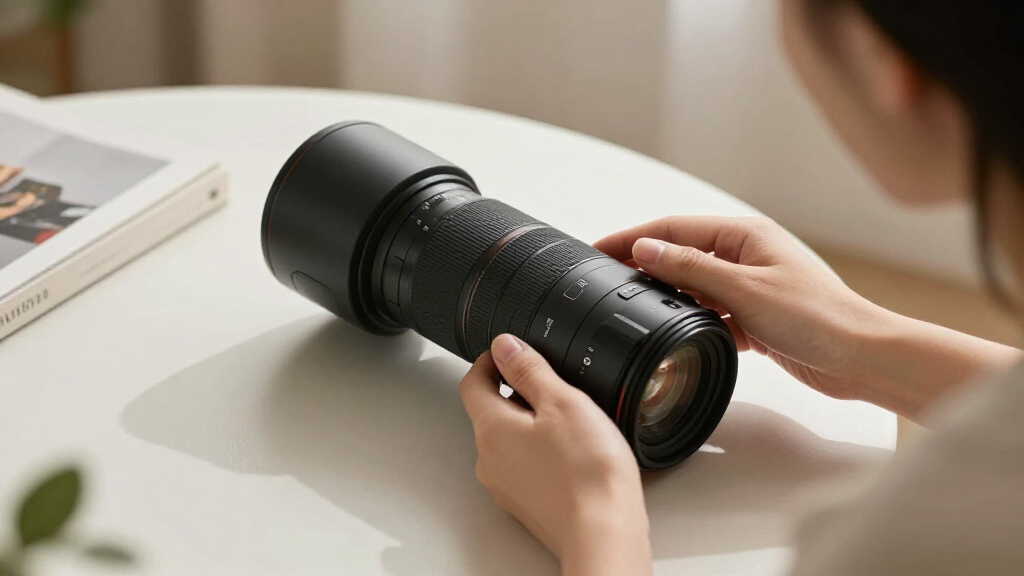

Cooled astrophotography cameras use thermoelectric cooling to suppress sensor noise, which is what makes long deep-sky exposures possible without gradients and grainy backgrounds. Among the current SVBONY lineup, the SC571CC with its IMX571 APS-C sensor stands out as the best overall choice, pairing a large frame with strong cooling and low read noise in one package. The SV605CC (IMX533) makes a compelling case as the best value, offering a square-format sensor that frames most nebulae beautifully for less, while the SV405CC (IMX294) suits imagers chasing a bigger 4/3-inch field on a tighter budget. The main tradeoff you face in this category is sensor size versus cost and processing demands, plus the decision between one-shot color convenience and the filter flexibility each bundle offers. Read on for the full breakdown of what separates these eight cameras.

Prime made for students and young adults
- Fast, free delivery for dorm and study essentials
- Prime Video and Amazon Music included
- Member-only deals
Key Takeaways
- The SC571CC’s IMX571 APS-C sensor is the only full-frame-class option here, capturing the widest field but demanding the most from your telescope’s flat field and your storage — smaller sensors like the IMX533 are more forgiving on both counts.
- The SV605CC appears three times in this roundup with different filter bundles; the IMX533 sensor version is the smart pick unless you specifically need dual-band nebula or multi-narrowband filters included upfront.
- Cooling matters more than megapixels: the uncooled SV205 and SV305C cost less but are confined to lunar, planetary, and short deep-sky exposures, while every TEC-cooled model opens the door to hours of stacked integration.
- The SV405CC’s IMX294 sensor delivers the second-largest field in the lineup, making the UV/IR cut filter bundle version better for broadband color imaging than the competing narrowband bundles.
- Sensor size should drive your decision more than any other spec — your telescope’s image circle, not the camera’s price, determines whether a bigger sensor is an asset or a source of vignetted corners.
| SVBONY SV205 7.05MP Telescope Camera |  | Best for Lunar and Planetary Video | Sensor: 7.05MP IMX415 color CMOS | Pixel size: 1.45 × 1.45 µm | Sensor size: 1/2.8 inch | VIEW LATEST PRICE | See Our Full Breakdown |
| SVBONY SV605CC Cooled Astrophotography Camera with SV220 2-Inch Dual-Band Nebula Filter |  | Best for Dual-Band Nebula Imaging | Sensor: IMX533 color CMOS | Resolution: 9 MP; 3008 × 3008 | Sensor format: 1-inch square | VIEW LATEST PRICE | See Our Full Breakdown |
| SVBONY SV305C 2.1MP Color Astrophotography Camera |  | Best for Planetary Beginners and EAA | Sensor: IMX662 back-illuminated CMOS | Resolution: 2.1 MP | Pixel size: 2.9 μm | VIEW LATEST PRICE | See Our Full Breakdown |
| SVBONY SV605CC Cooled 9MP Color Astrophotography Camera with SV240 2-Inch Multi-Narrowband Filter |  | Best for Three-Band Nebula Imaging | Sensor: IMX533 color CMOS, 1-inch | Resolution: Title lists 9MP; product details list 3008 × 3008 and 3.01MP | Pixel size: 3.76 μm | VIEW LATEST PRICE | See Our Full Breakdown |
| SVBONY SC571CC Cooled Color Astronomy Camera with IMX571 APS-C Sensor |  | Best for Wide-Field Deep-Sky Imaging | Sensor: IMX571 APS-C BSI CMOS | Resolution: 26MP | Sensor size: 23.4 × 15.7 mm | VIEW LATEST PRICE | See Our Full Breakdown |
| SVBONY SV405CC Cooled Astrophotography Camera with IMX294 Sensor |  | Best for Larger Sensor Coverage | Sensor: Back-illuminated IMX294 color CMOS | Sensor size: 4/3 inch | Resolution: 11.7MP (4144 × 2822) | VIEW LATEST PRICE | See Our Full Breakdown |
| SVBONY SV605CC Cooled Color Astrophotography Camera, 9MP IMX533 Sensor |  | Best for Square-Frame Imaging | Sensor: Sony IMX533 color, 1-inch | Resolution: 3008 × 3008 (9MP) | Pixel size: 3.76μm | VIEW LATEST PRICE | See Our Full Breakdown |
| SVBONY SV405CC TEC-Cooled 11.7 MP CMOS Color Astronomy Camera with UV/IR Cut Filter |  | Best Bundle for Color Control | Sensor: Sony IMX294 color CMOS, 4/3 format | Effective resolution: 11.7MP | Interface: USB 3.0, up to 5Gbps | VIEW LATEST PRICE | See Our Full Breakdown |
| cooled astrophotography camera | Sensor | Pixel size | Resolution | Cooling |
|---|---|---|---|---|
| SVBONY SV205 7.05MP Telescope | 7.05MP IMX415 color CMOS | 1.45 × 1.45 µm | — | — |
| SVBONY SV605CC Cooled Astropho | IMX533 color CMOS | 3.76 μm | 9 MP; 3008 × 3008 | Two-stage semiconductor cooling; up to 30°C below ambient |
| SVBONY SV305C 2.1MP Color Astr | IMX662 back-illuminated CMOS | 2.9 μm | 2.1 MP | — |
| SVBONY SV605CC Cooled 9MP Colo | IMX533 color CMOS, 1-inch | 3.76 μm | Title lists 9MP; product details list 3008 × 3008 and 3.01MP | TEC cooling to 30°C below ambient |
| SVBONY SC571CC Cooled Color As | IMX571 APS-C BSI CMOS | 3.76 µm | 26MP | Dual-stage TEC, 35°C below ambient |
| SVBONY SV405CC Cooled Astropho | Back-illuminated IMX294 color CMOS | 4.63μm | 11.7MP (4144 × 2822) | Two-stage TEC; up to 30°C below ambient |
| SVBONY SV605CC Cooled Color As | Sony IMX533 color, 1-inch | 3.76μm | 3008 × 3008 (9MP) | Double-layer TEC; up to 30°C below ambient |
| SVBONY SV405CC TEC-Cooled 11.7 | Sony IMX294 color CMOS, 4/3 format | — | — | Thermoelectric cooling (TEC) |
More Details on Our Top Picks
SVBONY SV205 7.05MP Telescope Camera
The SV205 is a planetary and lunar camera, not a cooled deep-sky imager, so I’d choose it for recording bright targets at high frame rates rather than long exposures of faint nebulae. Its 30 FPS at 1920 × 1080 gives a useful stream of frames for selecting sharp moments, while the 7.05MP sensor can capture more detail at a slower rate. Compared with the cooled SVBONY SV305C, this model offers higher stated resolution, but the SV305C adds a buffer, ROI controls, and long-exposure modes. Neither replaces the cooling and deep-sky focus of the SV605CC models. The SV205’s USB 3.0 connection and 1.25-inch barrel make the computer-based setup straightforward, though it requires a compatible telescope and does not connect to iOS phones or tablets.
Pros:- 7.05MP color sensor supports detailed captures of bright targets
- Records up to 30 FPS at 1920 × 1080 in MJPG
- USB 3.0 connection for laptop or PC capture
- Includes a 1.25-inch adapter barrel and USB cable
Cons:- Not a cooled camera for long-exposure deep-sky imaging
- Requires a compatible 1.25-inch telescope interface or adapter
- Not compatible with iOS phones or tablets
Best for: Telescope owners who want to capture lunar, planetary, or terrestrial video on a laptop or PC
Not ideal for: Deep-sky imagers seeking sensor cooling, or mobile users who need iPhone or iPad compatibility
- Sensor:7.05MP IMX415 color CMOS
- Pixel size:1.45 × 1.45 µm
- Sensor size:1/2.8 inch
- Maximum frame rate:30 FPS at 1920 × 1080 MJPG; 15 FPS at 3264 × 2160 uncompressed YUV
- Connection:USB 3.0
- Telescope interface:1.25-inch adapter
- Compatibility:Laptop or PC; macOS requires Astroamx Capture
Our verdict“I’d pick the SV205 for computer-based lunar and planetary video, but choose a cooled SV605CC for deep-sky exposures.”
SVBONY SV605CC Cooled Astrophotography Camera with SV220 2-Inch Dual-Band Nebula Filter
I’d rank this SV605CC bundle as the focused nebula pick: its cooled IMX533 color sensor is paired with a filter that passes OIII and H-alpha, helping target emission nebulae when artificial skyglow is a concern. The 3008 × 3008 square sensor gives a balanced field without the larger APS-C coverage of the SC571CC. Compared with the SV605CC bundle that includes the SV240, this SV220 version lists two passbands rather than Ha, OIII, and H-Beta, so it is the more specific fit for those emissions. Cooling to 30°C below ambient can help manage sensor heat during longer sessions, but it does not remove the need for careful acquisition and processing. I’d skip it for planetary video or anyone who wants a ready-made general-purpose setup without specialist astronomy gear.
Pros:- Cooled IMX533 sensor is suited to long-exposure deep-sky imaging
- Included SV220 filter passes OIII and H-alpha emissions
- Filter transmission is listed at over 94%
- Square 3008 × 3008 sensor gives a useful, balanced imaging field
Cons:- The two-band filter is more specialized than the SV240 bundle’s three listed passbands
- Requires astronomy imaging equipment and experience to get the intended results
- Supplied data does not specify compatibility details beyond the filter thread and listed camera types
Best for: Deep-sky imagers targeting H-alpha and OIII nebulae, especially from light-polluted locations
Not ideal for: Planetary imagers or buyers who need broad-spectrum imaging or a clearly specified telescope compatibility setup
- Sensor:IMX533 color CMOS
- Resolution:9 MP; 3008 × 3008
- Sensor format:1-inch square
- Pixel size:3.76 μm
- Cooling:Two-stage semiconductor cooling; up to 30°C below ambient
- Included filter:SV220 2-inch dual-band nebula filter
- Filter passbands:OIII 500.7 nm and H-alpha 656.3 nm
- Filter thread:M48 × 0.75
- Connection:USB 3.0
Our verdict“I’d choose this bundle for cooled color imaging centered on H-alpha and OIII nebulae, especially under urban skyglow.”
SVBONY SV305C 2.1MP Color Astrophotography Camera
The SV305C is the approachable entry point for planetary, lunar, and electronic-assisted astronomy in this group. Its 2.1MP IMX662 sensor has low readout noise and improved red sensitivity, while the 128MB buffer helps keep high-speed capture flowing. ROI and 2×2 binning let me tailor capture to a smaller target or faster acquisition. Compared with the higher-resolution SV205, the SV305C gives up pixel count but adds those capture controls and a long-exposure mode; compared with the cooled SV605CC, it is better aimed at bright objects and EAA than deep-sky long exposures. The 1.25-inch interface and CS mount broaden mounting options, but the built-in UV/IR cut filter cannot be removed, and focusing remains manual.
Pros:- IMX662 sensor combines low readout noise with improved red-band sensitivity
- 128MB buffer helps reduce dropped frames during capture
- ROI, binning, high-speed, and long-exposure modes support varied workflows
- Offers both a 1.25-inch telescope interface and CS mount
Cons:- 2.1MP resolution is lower than the SV205’s 7.05MP
- Not a cooled camera for long-exposure deep-sky imaging
- Built-in UV/IR cut filter is not removable and focus is manual
Best for: Newer telescope imagers who want to learn lunar, planetary, and EAA capture with flexible camera mounting
Not ideal for: Deep-sky photographers needing a cooled sensor or users who require a removable UV/IR cut filter
- Sensor:IMX662 back-illuminated CMOS
- Resolution:2.1 MP
- Pixel size:2.9 μm
- Image buffer:128 MB DDRIII
- Interfaces:1.25-inch astronomical interface; CS mount with CS-C adapter ring
- Capture features:ROI, 2×2 binning, high-speed planetary mode, and long-exposure mode
- Filter:Built-in UV/IR cut filter
- Dimensions:6 × 3 × 3 in
Our verdict“I’d choose the SV305C to learn planetary capture and EAA, while deep-sky long exposures call for a cooled SV605CC.”
SVBONY SV605CC Cooled 9MP Color Astrophotography Camera with SV240 2-Inch Multi-Narrowband Filter
The standout here is the SV240 multi-narrowband filter, which passes Ha, OIII, and H-Beta; that gives this cooled SV605CC a broader emission-line target set than the SV220 bundle, which lists OIII and H-alpha. The shared IMX533 1-inch sensor and cooling to 30°C below ambient keep the camera platform similar, so the choice rests mainly on filter coverage and the targets I want to pursue. Against the larger-sensor SC571CC, this model offers a more specialized nebula filter but less imaging area. The supplied information conflicts on resolution: the title says 9MP while the product details state 3008 × 3008 and also list 3.01MP. That uncertainty makes it harder to compare detail expectations. Its listed weight and lack of water resistance also suit a planned, protected setup rather than casual field handling.
Pros:- SV240 filter targets Ha, OIII, and H-Beta emissions
- Filter is designed to block urban light pollution
- IMX533 sensor has TEC cooling to 30°C below ambient
- RAW and JPEG file formats are listed
Cons:- Resolution data conflicts between the title and product details
- Not water resistant, so the setup needs protection from moisture
- At 1458 g, it is heavier than a compact camera body
Best for: Deep-sky imagers who want a cooled color camera and a filter covering Ha, OIII, and H-Beta emissions
Not ideal for: Buyers who need confirmed resolution data, weather resistance, or a large APS-C field
- Sensor:IMX533 color CMOS, 1-inch
- Resolution:Title lists 9MP; product details list 3008 × 3008 and 3.01MP
- Pixel size:3.76 μm
- Cooling:TEC cooling to 30°C below ambient
- Included filter:SV240 2-inch multi-narrowband
- Filter passbands:Ha, OIII, and H-Beta
- Filter core wavelength transmittance:Over 90%
- Weight:1458 g
- File formats:JPEG and RAW
Our verdict“I’d consider this bundle for three-band nebula imaging only after confirming the camera’s actual resolution with the seller.”
SVBONY SC571CC Cooled Color Astronomy Camera with IMX571 APS-C Sensor
I’d put the SC571CC first for wide-field deep-sky work: its 26MP APS-C sensor covers more sky than the 1-inch IMX533 cameras, while 3.76 µm pixels match their stated pixel size. The larger sensor is useful when a target and its surroundings need to fit in one frame, and dual-stage cooling to 35°C below ambient supports long sessions. Its 16-bit ADC, stated dynamic range up to 14 stops, and zero amp-glow design add headroom for faint detail. Compared with the SV605CC bundles, it offers broader sensor coverage but lacks their included narrowband filters. A 512MB buffer and front-window heater help with capture continuity and dew control, though cooling and heater functions may add external power needs. Its listed best fit is medium-to-long focal lengths, so short-focus wide-field rigs may not suit it as well.
Pros:- 26MP APS-C sensor captures a wider field than the 1-inch SV605CC models
- Dual-stage TEC cooling reaches 35°C below ambient
- Zero amp-glow sensor and 16-bit ADC support clean, detailed captures
- 512MB buffer and integrated front-window heater aid long sessions
Cons:- Best suited to medium-to-long focal lengths, limiting some short-focal-length setups
- Cooling and heater functions may require external power
- No included narrowband filter is listed, unlike the SV605CC filter bundles
Best for: Deep-sky imagers with medium-to-long focal length telescopes who want a wide APS-C field and cooled color capture
Not ideal for: Owners of short-focal-length scopes seeking a compact field of view or buyers who want a narrowband filter included
- Sensor:IMX571 APS-C BSI CMOS
- Resolution:26MP
- Sensor size:23.4 × 15.7 mm
- Pixel size:3.76 µm
- Cooling:Dual-stage TEC, 35°C below ambient
- ADC and dynamic range:16-bit ADC; up to 14 stops
- Quantum efficiency:>80%
- Buffer:512 MB DDR3
- Dew prevention:Integrated front-window heater with software control
Our verdict“I’d choose the SC571CC for cooled wide-field deep-sky imaging with a medium- or long-focal-length telescope.”
SVBONY SV405CC Cooled Astrophotography Camera with IMX294 Sensor
The 4/3-inch IMX294 sensor gives this SV405CC a wider imaging area than the 1-inch sensor in the SVBONY SV605CC, which can frame larger nebulae and star fields with fewer mosaics, depending on the telescope. Its 11.7MP resolution, 4.63μm pixels, and 63ke⁻ full well capacity suit deep-sky capture where collecting light and retaining highlight detail matter. Two-stage cooling can lower sensor temperature by up to 30°C below ambient, while HCG mode is designed to reduce read noise without giving up dynamic range. The tradeoff is a substantial 3.08-pound body, which adds load to a telescope mount, and this camera needs compatible capture software and telescope equipment. I’d choose it over the SV605CC for sensor area; the SV605CC is lighter and has a square frame that may better fit some targets.
Pros:- 4/3-inch sensor offers more imaging area than the SV605CC’s 1-inch sensor.
- 11.7MP resolution and 4.63μm pixels support detailed deep-sky captures.
- Two-stage TEC cooling reaches up to 30°C below ambient.
- HCG mode is designed to reduce read noise while retaining dynamic range.
Cons:- At 3.08 pounds, it adds meaningful weight to a telescope setup.
- Requires a compatible telescope and astronomy capture software.
- Full-resolution rates are 19fps in RAW8 and 16fps in RAW16.
Best for: Deep-sky imagers whose telescope and mount can handle a heavier camera and who want a larger sensor area for framing nebulae and star fields.
Not ideal for: Travel-focused imagers or owners of lightweight mounts who need to minimize payload, and beginners without compatible telescope and capture software.
- Sensor:Back-illuminated IMX294 color CMOS
- Sensor size:4/3 inch
- Resolution:11.7MP (4144 × 2822)
- Pixel size:4.63μm
- Full well capacity:63ke⁻
- Cooling:Two-stage TEC; up to 30°C below ambient
- Interface:USB 3.0, 5Gbps
- Full-resolution frame rate:19fps RAW8 or 16fps RAW16
- Weight:3.08 pounds
Our verdict“Choose this SV405CC for a larger cooled sensor and deep-sky framing flexibility if your mount can support its weight.”
SVBONY SV605CC Cooled Color Astrophotography Camera, 9MP IMX533 Sensor
The 3008 × 3008 square frame is the defining choice here: it gives deep-sky imagers a balanced composition without the wide rectangular crop of the SVBONY SV405CC and its 4/3-inch IMX294 sensor. The SV605CC’s 1-inch IMX533 sensor has 3.76μm pixels and up to 80% quantum efficiency, making it a distinct fit for users prioritizing the supplied sensor’s efficiency figure and square framing. Double-layer TEC cooling reaches up to 30°C below ambient to reduce sensor glow and improve signal-to-noise during cooled imaging. It also suits lucky imaging and meteor monitoring, so its use is not limited to long deep-sky exposures. At 1.6kg, though, it is heavier than many compact camera setups, and its specialized telescope use makes it a poor choice for general photography. Compared with the SV405CC, it trades sensor area for square composition.
Pros:- Square 3008 × 3008 frame suits balanced deep-sky compositions.
- IMX533 sensor is specified at up to 80% quantum efficiency.
- TEC cooling reaches up to 30°C below ambient.
- Supports deep-sky imaging, meteor monitoring, and lucky imaging.
Cons:- At 1.6kg, the body can be a demanding payload for a lightweight mount.
- The 1-inch sensor provides less imaging area than the SV405CC’s 4/3-inch sensor.
- Its telescope-focused design is not suitable for general photography.
Best for: Deep-sky imagers and lucky-imaging users who want a square 1-inch sensor and can accommodate a 1.6kg camera on their telescope.
Not ideal for: General photographers or owners of lightweight telescope mounts who need a lighter camera body.
- Sensor:Sony IMX533 color, 1-inch
- Resolution:3008 × 3008 (9MP)
- Pixel size:3.76μm
- Quantum efficiency:Up to 80%
- Cooling:Double-layer TEC; up to 30°C below ambient
- Connectivity:USB 3.0
- Enclosure material:Aluminum
- Dimensions:6.5 × 6.3 × 8.46 inches
- Weight:1.6kg
Our verdict“Pick the SV605CC if square framing and a cooled IMX533 matter more to you than the larger sensor area of the SV405CC.”
SVBONY SV405CC TEC-Cooled 11.7 MP CMOS Color Astronomy Camera with UV/IR Cut Filter
This SV405CC pairs the 4/3-format IMX294 with an included UV/IR cut block filter, giving buyers a ready-made component for managing unwanted ultraviolet and infrared light in their optical train. That bundle is its clearest distinction from the SVBONY SV405CC listed as B09XQY6RG2, whose supplied details emphasize HCG mode and a 256MB buffer instead. Both entries share the 11.7MP IMX294 format and fast USB 3.0 capture, so the choice comes down to the included filter versus the other listing’s specified buffer and broader compatibility details. The filter may help control color and contrast, but this camera still requires careful manual focus and exposure settings. Its 3.7-pound listed weight is also a substantial mount load, and no sensor cleaning method is listed.
Pros:- Includes a UV/IR cut block filter for the optical setup.
- 11.7MP, 4/3-format IMX294 sensor provides a sizable imaging area.
- USB 3.0 supports up to 5Gbps bandwidth.
- TEC cooling is designed to reduce sensor noise during long exposures.
Cons:- Manual focus and exposure control can add setup work for beginners.
- Listed weight of 3.7 pounds may strain a lightweight mount.
- No sensor cleaning method is listed.
Best for: Deep-sky imagers who want an IMX294 camera bundled with a UV/IR cut filter for their telescope setup.
Not ideal for: New astrophotographers seeking simplified automatic controls, or owners of mounts with limited payload capacity.
- Sensor:Sony IMX294 color CMOS, 4/3 format
- Effective resolution:11.7MP
- Interface:USB 3.0, up to 5Gbps
- Full-resolution frame rate:19fps RAW8 or 16fps RAW16
- Cooling:Thermoelectric cooling (TEC)
- Included accessory:UV/IR cut block filter
- Focus and exposure:Manual
- Aspect ratio:4:3
- Weight:3.7 pounds
Our verdict“Choose this SV405CC bundle when the included UV/IR cut filter is useful to your setup and your mount can carry the camera.”
How We Picked
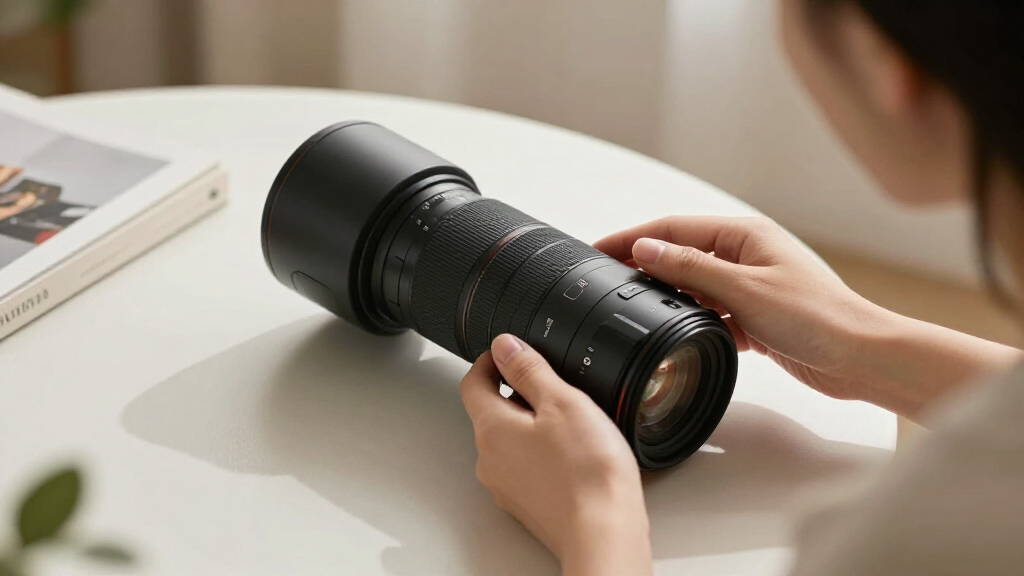
My ranking logic starts with one question: how well does each camera convert cooling into usable deep-sky data? I weighed sensor size and generation first, because a modern back-illuminated sensor like the IMX571 or IMX533 gathers more light with less noise than older designs at the same price. Cooling performance came second — the difference between a sensor running at ambient and one held 35 degrees below it shows up directly in your background noise and how hard you have to stretch an image in processing.
I also judged each product as a complete imaging solution, which is why the filter bundles matter: a dual-band nebula filter changes what targets a camera can tackle from a light-polluted backyard, so identical sensors ranked differently depending on what ships in the box. Finally, I factored in accessibility — sensor arc-second sampling, file sizes, and how forgiving each camera is of modest telescopes and mounts. That is why a technically simpler camera like the SV305C earns a spot despite being the least capable: it is the honest entry point to a hobby where jumping straight to APS-C often produces frustration instead of photos.
| cooled astrophotography camera | Cooling |
|---|---|
| SVBONY SV205 7.05MP Telescope | — |
| SVBONY SV605CC Cooled Astropho | Two-stage semiconductor cooling; up to 30°C below ambient |
| SVBONY SV305C 2.1MP Color Astr | — |
| SVBONY SV605CC Cooled 9MP Colo | TEC cooling to 30°C below ambient |
| SVBONY SC571CC Cooled Color As | Dual-stage TEC, 35°C below ambient |
| SVBONY SV405CC Cooled Astropho | Two-stage TEC; up to 30°C below ambient |
| SVBONY SV605CC Cooled Color As | Double-layer TEC; up to 30°C below ambient |
| SVBONY SV405CC TEC-Cooled 11.7 | Thermoelectric cooling (TEC) |
Factors to Consider When Choosing Cooled Astrophotography Cameras
Choosing a cooled camera is really choosing an imaging system: sensor, filters, telescope, and mount all have to work together. These are the factors that actually change your results.Match Sensor Size to Your Telescope, Not Your Ambition
The most common mistake in this hobby is buying more sensor than your optics can illuminate. An APS-C chip like the IMX571 in the SC571CC spans roughly 28mm diagonal, and many consumer refractors simply cannot deliver sharp stars across that expanse — you get vignetted corners and distorted stars that no amount of processing fully rescues. Before choosing a large sensor, check your telescope’s image circle specification and whether your flattener or reducer supports that format. A square IMX533 sensor avoids this problem almost entirely, because its compact frame sits in the sweet spot of nearly every imaging refractor sold today. Smaller sensors also mean smaller file sizes, faster stacking sessions, and more forgiving demands on your mount’s guiding accuracy.
Understand What Cooling Actually Buys You
Thermoelectric cooling reduces dark current, the heat-generated signal that accumulates during long exposures and appears as noisy speckle in your shadows. A sensor cooled 30 to 40 degrees below ambient can expose for five to ten minutes where an uncooled sensor becomes unusable after thirty to sixty seconds. This is why the uncooled SV205 and SV305C, despite being capable cameras, live in a different category — they excel at bright targets like the Moon and planets where exposure times are milliseconds, not minutes. When comparing cooled models, look at the stated delta below ambient rather than a fixed temperature figure, since actual performance depends on your night conditions. Also note that cooling effectiveness depends on dissipating heat from the camera body, so good airflow in your setup matters more than most beginners expect.
One-Shot Color Versus Filter Strategy
Every camera in this roundup is a one-shot color sensor, which means color data arrives in a single exposure through an onboard Bayer matrix. That convenience comes with a filter decision: broadband targets like galaxies and reflection nebulae benefit from a simple UV/IR cut filter, while emission nebulae from light-polluted skies need narrowband or dual-band filters that isolate oxygen-III and hydrogen-alpha wavelengths. The filter bundles in this lineup reflect those two paths, so choose based on your targets and sky quality rather than treating filters as a bonus. A dual-band filter is arguably the single highest-impact accessory for urban imagers, letting you capture nebulae under skies where broadband imaging produces only orange mush. If your skies are dark, that same filter is largely wasted money.
Pixel Size and Sampling
Pixel size determines how finely your camera samples the sky, and it must roughly match your telescope’s focal length. The guideline is 1 to 2 arc-seconds per pixel for deep-sky work under typical seeing. Long focal lengths with small pixels oversample, wasting field of view and demanding exceptional guiding, while short focal lengths with large pixels undersample, losing fine detail in galaxies and planetary nebulae. The IMX533’s 3.76-micron pixels are versatile enough to pair with anything from a short refractor to a mid-size SCT with a reducer. Before buying, divide your telescope’s focal length by 206, multiply by pixel size in microns, and check where you land — this five-minute calculation prevents the most expensive mismatch in astrophotography.
Budget for the System Around the Camera
A cooled camera is often the smallest line item in a working deep-sky setup. You will also need a solid mount with guiding, since long cooled exposures expose every tracking error, plus software (usually free options like N.I.N.A. or ASIAir-style ecosystems), cables, power, and storage for large RAW files. Beginners routinely underestimate the mount, then blame the camera for trailed stars. My advice: allocate roughly as much to the mount as to the camera, and treat any filter bundle as money redirected from a future accessory purchase. It is also worth confirming the camera’s connector standards — USB version, USB3 for fast frame rates, and whether it draws power from the hub or needs a dedicated supply — because cable management failures are a leading cause of lost imaging nights.
Frequently Asked Questions
Do I need a cooled camera for my first astrophotography setup?
Not necessarily, and jumping straight to a premium cooled model can actually slow your learning. A simple camera like the SV305C teaches framing, focusing, stacking, and processing on bright targets where mistakes are cheap and feedback is instant. The limitation appears when you chase faint nebulae: without cooling, thermal noise builds faster than signal, so your total integration time hits a ceiling. A reasonable path is starting uncooled on lunar, planetary, and bright deep-sky objects for a season, then moving to a cooled camera like the SV605CC once you know your mount, your skies, and your processing workflow. If your budget covers a full cooled setup from day one and you are patient, the SV605CC IMX533 version is forgiving enough to learn on directly.
The SV605CC appears with three different bundles — which one should I buy?
Compare the bundles by asking what you will image most in your first year. The dual-band nebula filter bundle makes sense under suburban or urban skies, because filtering out light pollution is what unlocks emission targets like the North America Nebula or Orion from a backyard. The multi-narrowband filter version suits imagers with darker sites who want tighter wavelength control for premium nebula data. If you mostly want galaxies, star clusters, and natural-color constellations, the plain camera body or a UV/IR cut option serves you better, since narrowband filters dim exactly the broadband light those targets emit. Since the camera itself is identical across the bundles, this decision is purely about filters — and filters can always be bought later, so avoid paying upfront for glass you will not mount for a year.
Is the SC571CC’s APS-C sensor worth the extra cost over the IMX533?
It depends almost entirely on your telescope and your targets. The IMX571 in the SC571CC captures roughly 1.5 times the field area of the IMX533, which matters for large emission nebulae, the Milky Way core, and sweeping constellation fields — targets that simply do not fit on smaller chips. But that wide frame only pays off if your telescope’s field flattener covers an APS-C image circle, and many entry-level flatteners do not. The IMX533’s square format also handles framing more flexibly, since you can rotate and crop without worrying about the aspect ratio. If you own or plan to buy a quality refractor rated for full-frame coverage and you chase large nebulae, the SC571CC justifies itself; otherwise the IMX533 delivers most of the image quality with fewer optical demands.
What can the uncooled SV205 and SV305C actually do well?
Plenty — just not faint deep-sky work. The SV205’s higher-resolution sensor is genuinely strong for lunar and planetary imaging, where you stack thousands of millisecond exposures captured with software like AutoStakert, and thermal noise barely registers at those speeds. The SV305C, with its more sensitive pixels, handles bright deep-sky objects such as the Orion Nebula core, the Pleiades, and double clusters in short stacked exposures. Both are also excellent electronic finder cameras for locating and framing targets before swapping in a cooled main camera. Think of them as specialists rather than lesser versions of the cooled models: they occupy a different niche entirely, and the SV205’s resolution actually exceeds several cooled cameras here for solar system work.
How much does the cooling performance differ between these cooled models?
The practical differences are smaller than the spec sheets suggest. All the TEC-cooled SVBONY models in this lineup reach similar deltas below ambient — typically in the 35-to-40-degree range — which is enough to make dark current a non-issue for the 3-to-10-minute subexposures most imagers use. What differs more meaningfully is sensor generation: back-illuminated chips like the IMX571 and IMX533 start with lower read noise and higher quantum efficiency, so every cooled frame contains more signal to begin with. The IMX294 in the SV405CC is a slightly older design yet remains a proven performer with a generous 4/3-inch frame. In real imaging, your mount’s guiding and your sky’s transparency will limit your results long before the difference between these cooling systems does.
Conclusion
For the best overall balance, the SC571CC takes it — the IMX571’s APS-C sensor, low noise, and modern design make it the most capable camera in this roundup, provided your telescope can cover its frame. The best value goes to the SV605CC with the IMX533 sensor: its square format, back-illuminated chip, and versatile pixel size deliver premium image quality at a mid-tier price. For best premium pick, the SV405CC bundled with the UV/IR cut filter stands out for broadband imagers, pairing the proven IMX294’s large 4/3-inch sensor with the right glass for galaxies and natural-color targets. Beginners should start with the SV305C to learn the workflow on bright targets without overwhelming complexity or cost. For a specific need, the SV605CC dual-band nebula filter bundle is the tailored choice for light-polluted backyards chasing emission nebulae, while the SV205 earns its place as the dedicated lunar and planetary specialist. Match the sensor to your telescope, the filters to your skies, and the complexity to your experience — that formula will pick the right camera for you.
Fall Picks
fall essentials
As an affiliate, we earn on qualifying purchases.