
TL;DR

Prime made for students and young adults
- Fast, free delivery for dorm and study essentials
- Prime Video and Amazon Music included
- Member-only deals
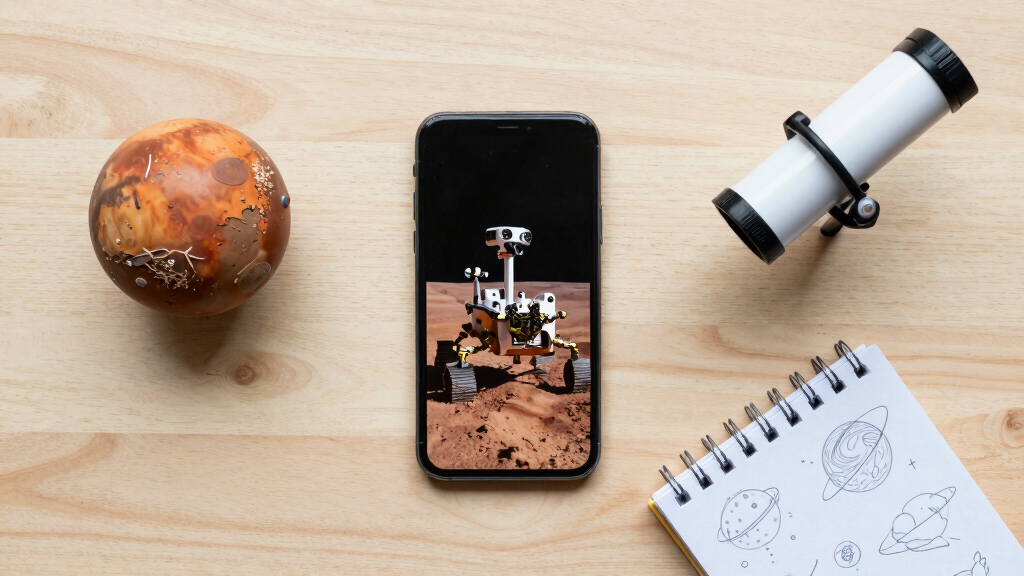
NASA’s Perseverance rover completed a 26.2-mile marathon on Mars, traversing diverse terrains to study the planet’s history. This feat highlights technological advances and deepens our understanding of Mars’ past habitability.
Imagine driving across a planet the size of Arizona, on terrain filled with ancient riverbeds and volcanic plains. Now, imagine doing that for over five years, miles at a time, with the goal of unlocking Mars’ deepest secrets. That’s exactly what NASA’s Perseverance rover has been doing, and just recently, it crossed a milestone that feels like winning a marathon on the Red Planet.
This story isn’t just about a long drive. It’s about resilience, cutting-edge technology, and the human obsession with exploring the unknown. Today, you’ll see how Perseverance’s 26-mile trek on Mars isn’t just a record — it’s a glimpse into the future of planetary science and human space travel.
Key Takeaways
- Perseverance’s 26-mile drive demonstrates the power of autonomous navigation and advanced scientific instruments.
- The rover’s discoveries of water-related minerals deepen our understanding of Mars’ habitability history.
- Long-distance exploration on Mars is now a reality, paving the way for future crewed missions and sample return efforts.
- Technologies tested by Perseverance, like in-situ resource utilization, will be keys to human survival on Mars.
- A single rover’s marathon can unlock centuries of planetary history and inspire future generations.
As an affiliate, we earn on qualifying purchases.
How Perseverance’s ‘Mars Marathon’ Shows Off Its Endurance and Tech
Perseverance’s marathon isn’t just a fun nickname; it’s a feat of engineering and endurance. Covering 26.2 miles (42.195 km), the rover has navigated rocky terrain, sandy dunes, and ancient riverbeds, all while collecting vital samples. Think of it as a marathon runner pushing through blistering heat and rough terrain, but on another world.
What makes this journey remarkable? The rover’s advanced AI-driven route planning, which assesses terrain for safety and scientific value, lets it optimize each day’s drive. Its suite of instruments analyzes rocks and soil along the way, revealing a story of water, climate changes, and potential habitability.
In practical terms, this means Perseverance moves with purpose — stopping to drill, analyze, and store samples. Every mile traveled provides a new chapter in Mars’ history, all while demonstrating what robotic explorers can achieve over long-term missions.
As an affiliate, we earn on qualifying purchases.
What Does a 26-Mile Drive on Mars Actually Look Like?
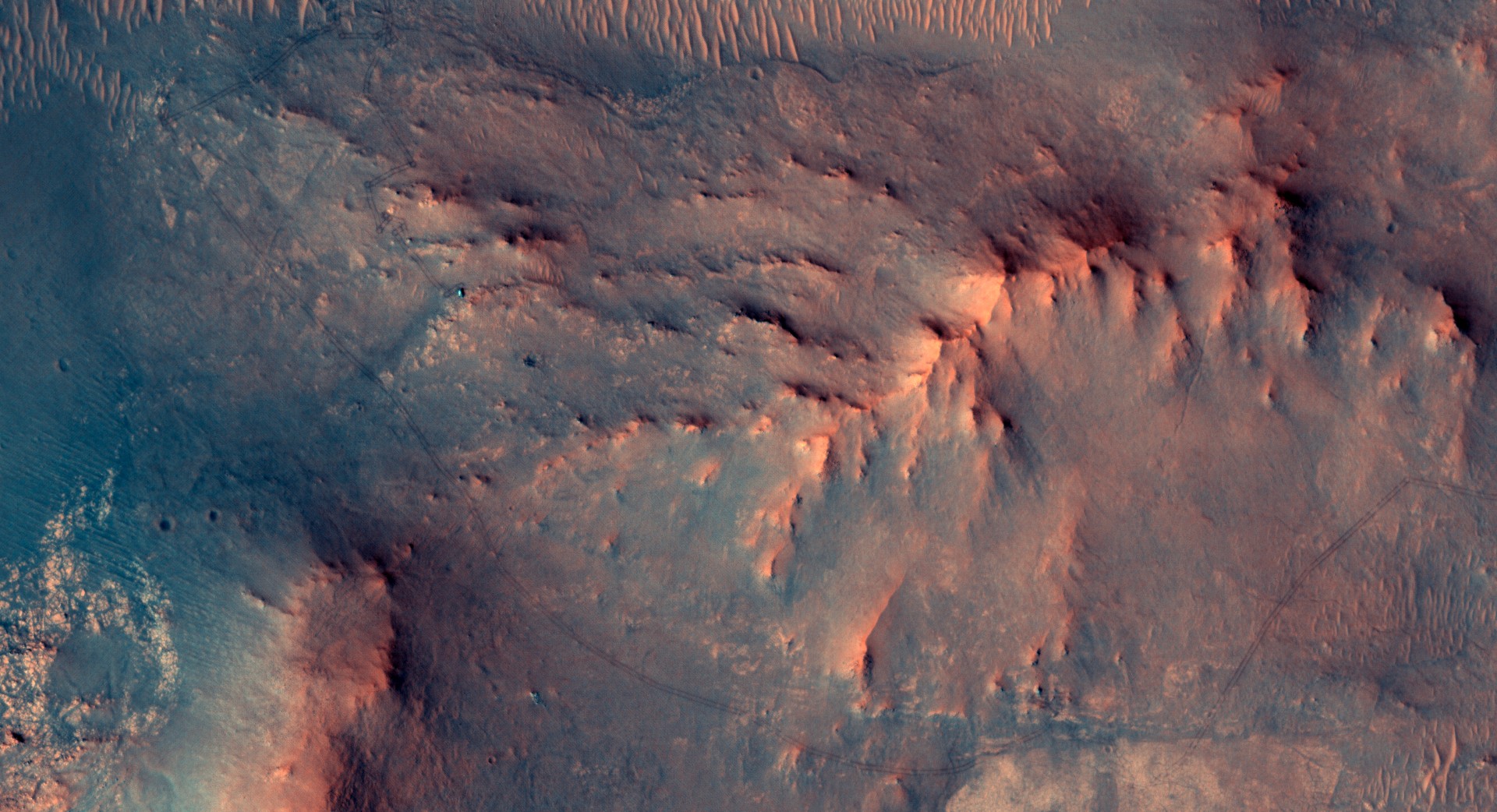
Picture this: Perseverance’s tracks wind through a landscape dotted with jagged rocks, layered cliffs, and dried-up riverbeds. Each step is a tiny movement, but over thousands of steps, it adds up.
The terrain varies widely — from the smooth plains near Jezero Crater to the rougher, crater-rim regions. The rover’s wheels, about the size of a dinner plate, grip the Martian surface, crunching over gravel and loose sand. The sound of the wheels rolling is a faint, rhythmic hum you might imagine hearing if you were standing nearby.
One practical tip for capturing such scenes? Use a long focal length lens from Earth, aiming at the rover’s location during a dust storm or sunset. The rich, orange Martian sky makes for stunning backdrops, emphasizing the stark beauty of the landscape.
As an affiliate, we earn on qualifying purchases.
How the Rover’s Advanced Tech Turns Long Drives Into Scientific Gold
Perseverance’s success hinges on cutting-edge tech. Its AI navigates Martian terrain faster and safer than ever, analyzing thousands of images and sensor data in real-time. This ability to make autonomous decisions reduces the need for constant human oversight, allowing for longer, more efficient exploration campaigns. The tradeoff, however, is that reliance on AI requires rigorous validation to ensure safety and scientific integrity, especially in unpredictable environments.
Its instruments — SHERLOC, PIXL, and SuperCam — analyze rocks during stops, hunting for minerals and compounds that hint at past water activity. The rover’s sample tubes, now numbering over 40, are stored in sealed chambers for future return to Earth.
For example, Perseverance recently discovered mineral deposits consistent with ancient hot springs. These deposits suggest Mars once had environments suitable for microbial life. Each mile covered multiplies the science gathered, making its long journey a treasure trove for planetary scientists. The implications are profound: identifying habitable environments on Mars guides future exploration, but also raises questions about the planet’s habitability timeline and the potential for life beyond Earth.
As an affiliate, we earn on qualifying purchases.
What We’ve Learned From Perseverance’s Long Journey So Far
Perseverance’s marathon has already uncovered fascinating clues. One major finding: mineral deposits indicating that water was once abundant and persistent in Jezero Crater. These clues are like pages from Mars’ ancient climate diary, helping scientists reconstruct the planet’s environmental history. Understanding the duration and stability of water presence is crucial because it influences the potential for past life and guides future missions targeting biosignatures.
Scientists have also found tiny, rounded pebbles that formed in flowing water, along with signs of clay minerals that require long-term water exposure. These discoveries don’t just confirm water’s past presence—they suggest that Mars had environments capable of supporting microbial life for extended periods. The presence of clay minerals indicates sustained water activity, which is essential for habitability. This layered understanding helps scientists prioritize landing sites and sample collection strategies for future missions, aiming to find definitive signs of past life and unravel the planet’s complex climate history.
What Does This Mean for Future Mars Missions and Human Travel?
Perseverance’s marathon isn’t just a milestone; it’s a testbed for future exploration strategies. Technologies like AI navigation, autonomous drilling, and sample caching are prototypes for crewed missions. These innovations are crucial because they reduce the reliance on Earth-based control, which is vital given the communication delay and limited bandwidth. The tradeoff involves ensuring these systems can operate reliably in unpredictable environments, emphasizing the need for rigorous testing and redundancy.
If humans someday walk this same terrain, understanding the landscape’s challenges and resources becomes vital. Perseverance tests in-situ resource utilization — turning Martian soil into water or fuel — a critical step for future explorers. These techniques could drastically reduce the amount of supplies needed from Earth, making long-term human presence feasible.
Picture a future Mars base, supplied with water and building materials derived from local resources, thanks to lessons learned during Perseverance’s long drive. This journey shows us how robotic explorers will pave the way for human footprints, helping us identify safe landing zones, resource-rich sites, and potential hazards, ultimately shaping the blueprint for human colonization.
Frequently Asked Questions
Why is Perseverance called a ‘marathon’ rover?
Because it traveled over 26 miles on Mars, mimicking a marathon race. This distance highlights its endurance and the extensive exploration efforts needed to understand Mars’ history.How does Perseverance navigate such long distances on Mars?
It uses AI-driven route planning, analyzing terrain with sensors and cameras to choose safe, scientifically valuable paths without constant human input.What are the biggest discoveries from Perseverance’s long journey?
It’s found mineral deposits indicating ancient water activity, signs of past habitable environments, and samples that could contain microfossils or organic molecules.When will the samples collected by Perseverance be brought back to Earth?
The sample return mission is planned for the late 2020s or early 2030s, with future spacecraft transporting the sealed tubes to Earth for detailed study.How does Perseverance help prepare for future human missions?
It tests technologies like in-situ resource utilization, autonomous navigation, and sample caching, all of which are crucial for sustaining humans on Mars.Conclusion
Perseverance’s marathon journey proves that robotic explorers can endure and thrive over vast distances, revealing secrets buried in the Martian past. Each mile driven is a step closer to answering whether life ever existed on the Red Planet.
As you gaze at the night sky, remember: our robotic pioneers are already running marathons on Mars, writing the story of humanity’s next great leap.
Fall Picks
fall essentials
As an affiliate, we earn on qualifying purchases.