
TL;DR

Prime made for students and young adults
- Fast, free delivery for dorm and study essentials
- Prime Video and Amazon Music included
- Member-only deals
NASA’s APOD highlights the peaceful Mare Tranquillitatis, a lunar feature visible to the naked eye. You can see this calm lunar “sea” tonight with binoculars or a telescope, and understanding its origin deepens your appreciation of its quiet beauty.
There’s something soothing about looking up at the night sky, especially when you spot the calm, dark patches on the Moon. These are the lunar maria — vast, basalt-filled plains that have fascinated humanity for centuries. Today, we’ll explore one of the most famous: Mare Tranquillitatis, the Sea of Tranquility, where Apollo 11 astronauts first set foot in 1969.
Whether you’re a casual stargazer or a dedicated sky enthusiast, understanding what makes these lunar “seas” so serene and how you can observe them tonight will deepen your connection to the Moon’s quiet, ancient landscape. Plus, I’ll share practical tips on capturing this scene with your gear — no need for a professional telescope.
Lunar maria like Mare Tranquillitatis are vast basalt plains formed by ancient volcanic lava flows, covering about 16% of the Moon’s surface and visible to the…
You can see Mare Tranquillitatis tonight with binoculars or a small telescope, especially during the first or last quarter moon when shadows reveal textures.
Photographing the lunar “sea” is accessible with a smartphone or camera, provided you stabilize your gear and shoot during steady conditions.
The tranquil appearance of the Moon’s maria belies their fiery volcanic origins that date back over 3 billion years, making them a window into the Moon’s turbu…
Comparing lunar maria like Tranquility and Serenity helps you appreciate their unique features and historical significance.
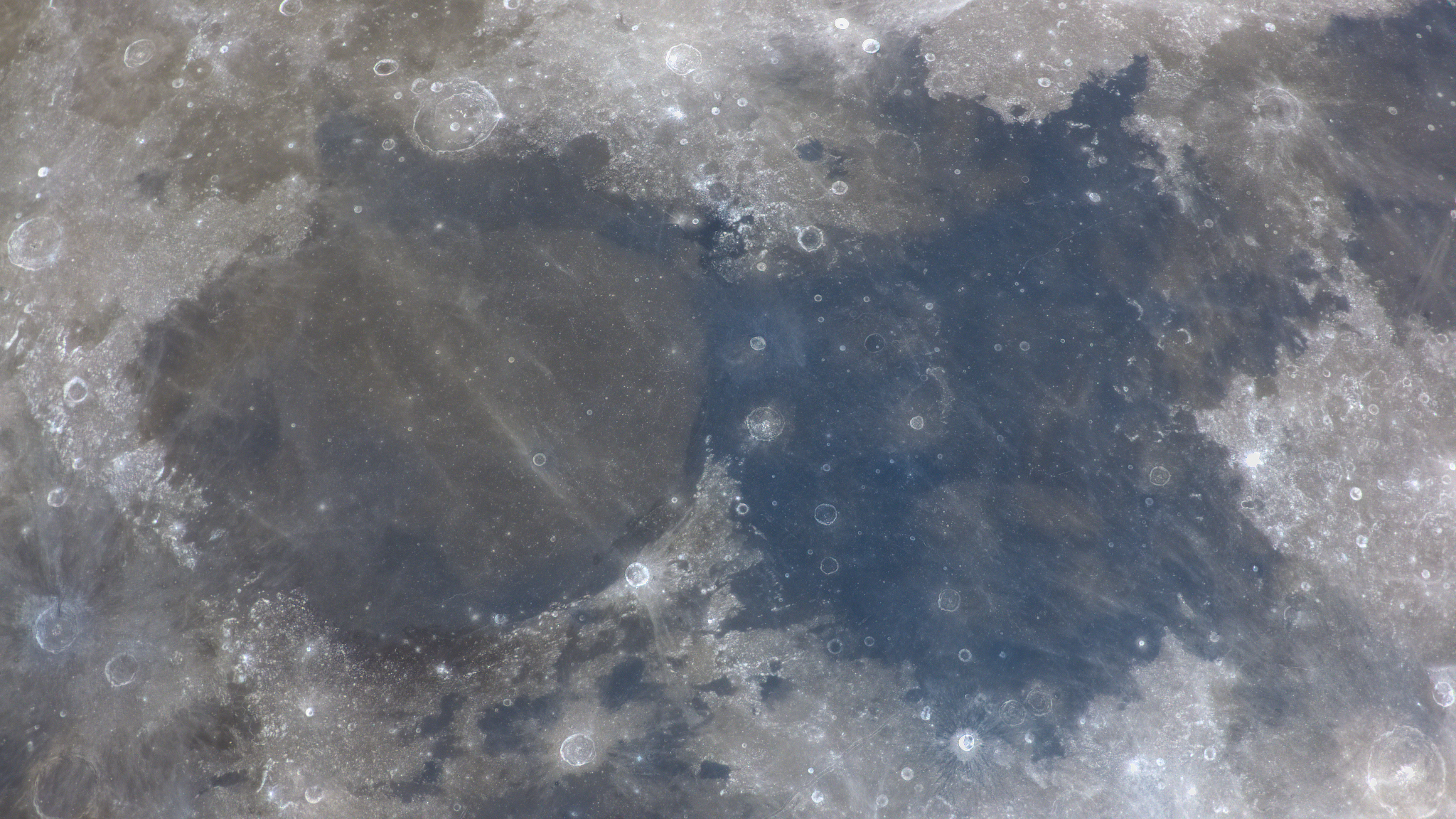
What is Mare Tranquillitatis — and why does it look so calm?
Mare Tranquillitatis is a broad, dark plain on the Moon’s near side, easily visible without any equipment. It’s a vast basaltic plain—basically, a giant volcanic lava flow that cooled thousands of millions of years ago. Unlike the cratered highlands that surround it, this “sea” appears smooth and dark, like an ocean frozen in time.
Imagine pouring molten lava into a giant impact basin, letting it settle and solidify — that’s what happened here. Over the ages, the Moon’s volcanic activity created these tranquil plains, covering about 1.5 million square kilometers. They look like calm, dark patches because of their basaltic composition, which reflects less sunlight than the surrounding highlands.
Understanding this origin isn’t just about appreciating their appearance; it reveals the Moon’s volcanic history and helps us comprehend how planetary bodies evolve over time. These plains played a critical role in shaping the lunar surface we see today, and studying them offers clues about volcanic activity on other celestial bodies as well. Their calm appearance is a window into a period when the Moon was geologically active, yet now they stand as silent monuments to a fiery past.
More profoundly, the formation of these lunar maria illustrates the dynamic processes that shaped the early solar system. The volcanic activity that created these plains was driven by internal heat and radioactive decay, which caused the Moon’s mantle to melt and produce extensive lava flows. Recognizing these processes helps scientists understand planetary differentiation, thermal evolution, and volcanic activity on a broad scale, including on planets like Mars and Venus. The tranquility of the maria today is thus a paradox — a peaceful surface hiding a tumultuous, energetic past that shaped the very foundation of the Moon’s geology. These plains remind us that surface appearances can be deceiving, and that planetary surfaces are often silent witnesses to violent, transformative events.
compact binoculars for moon observation
As an affiliate, we earn on qualifying purchases.
As an affiliate, we earn on qualifying purchases.
Can you see the Sea of Tranquility tonight? Here’s how to find it
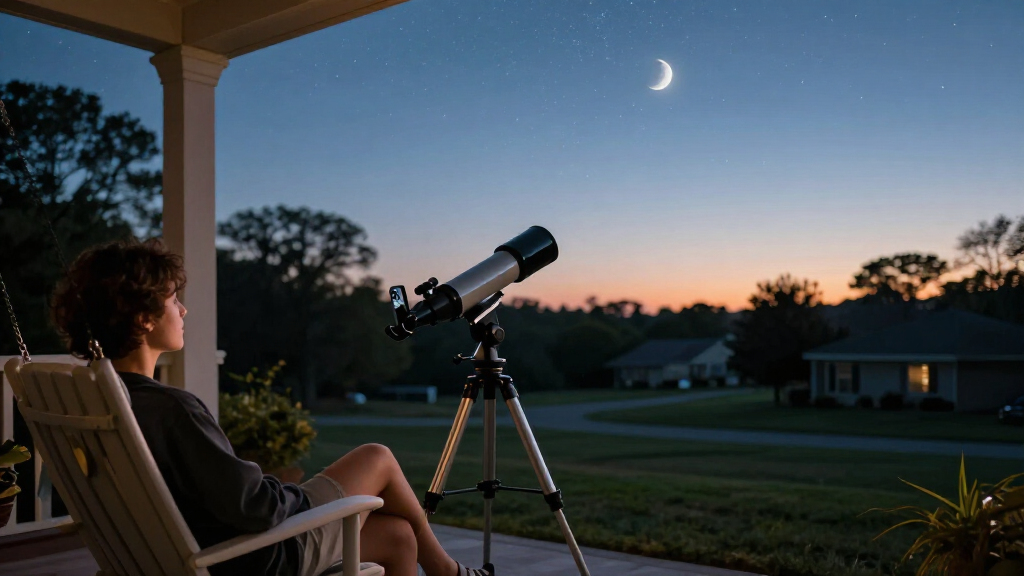
Yes, you can see Mare Tranquillitatis tonight, especially if you have binoculars or a small telescope. Look for the Moon in the evening sky, and identify the large, dark, smooth patches. Mare Tranquillitatis is roughly near the middle of the Moon’s near side, slightly to the right when the terminator (the line between light and dark) is visible.
For a quick spotting tip: find the bright crater Tycho at the bottom of the Moon, then trace your gaze upward and to the right — Mare Tranquillitatis lies just above the center. Bright features like craters and mountain ranges give you landmarks to orient yourself.
Remember, the best time to observe lunar features is during the first or last quarter moon, when shadows cast by the Sun highlight their textures and edges. Viewing during these times enhances contrast, revealing the subtle relief and formations that define these tranquil plains, allowing you to appreciate their depth and topography even without advanced equipment.
Understanding how to locate and observe Mare Tranquillitatis not only makes your stargazing more rewarding but also deepens your appreciation for the Moon’s dynamic history as you see firsthand how volcanic plains and impact features coexist on its surface.
As an affiliate, we earn on qualifying purchases.
How to photograph the Moon’s calm seas without fancy gear
Getting a good shot of Mare Tranquillitatis doesn’t need a professional setup. Use a smartphone with a decent zoom or a digital camera attached to a small telescope or binoculars. Aim for a clear night with steady conditions—avoid windy or humid evenings that blur your image.
Set your camera to the highest zoom, stabilize it on a sturdy surface, and focus carefully. Early morning or late evening, when the Moon is near the horizon, can give you softer shadows that add depth to your photos. These softer shadows help bring out subtle topographical features, making the tranquil plains appear more textured and three-dimensional in your images.
For the best results, take multiple shots and stack them using free software to bring out details. The contrast between the dark mare and the bright crater rims can be stunning in high-resolution images. Experimenting with different exposure settings can also help you capture the nuanced interplay of light and shadow that underscores the Moon’s tranquil yet complex landscape.
Remember, patience and steady hands are key. Even simple gear can produce striking images that reveal the Moon’s peaceful surface and its underlying geological story.
smartphone camera mount for astrophotography
As an affiliate, we earn on qualifying purchases.
As an affiliate, we earn on qualifying purchases.
Why the Moon’s serene appearance still hides a fiery past
Despite its calm, Mare Tranquillitatis was born from violent volcanic eruptions billions of years ago. These lava flows cooled slowly, creating the basalt plains that give it that peaceful look today. This contrast — peaceful surface, fiery origin — makes the scene even more awe-inspiring.
Imagine a planet-wide volcanic flood, flooding an impact basin with dark lava, then slowly cooling into a smooth, dark plain. It’s like a giant, ancient lava lake frozen in time beneath the starry sky. This process was not only a testament to the Moon’s volcanic activity but also a critical phase in its geological evolution, shaping the landscape that future explorers would visit.
Understanding this history helps you appreciate the Moon’s quiet beauty as a snapshot of a tumultuous past, preserved in its tranquil plains. Recognizing the volcanic origins behind these serene surfaces reveals the dynamic processes that have shaped planetary bodies across the solar system, offering insights into planetary formation and volcanic activity on worlds beyond our own.
Furthermore, studying these volcanic plains provides clues about the Moon’s internal structure and thermal history. The extent and timing of volcanic activity are directly related to the Moon’s internal heat flow, which influences the development of its crust and mantle. By analyzing the composition and distribution of basalt plains, scientists can infer the Moon’s cooling rate and the duration of its volcanic phase, shedding light on planetary cooling processes more generally. These insights help us understand not only lunar evolution but also the thermal and volcanic histories of other terrestrial planets and moons, making Mare Tranquillitatis a key piece in the broader puzzle of planetary science.
As an affiliate, we earn on qualifying purchases.
Frequently Asked Questions
Can I see Mare Tranquillitatis with just my eyes?
Yes, Mare Tranquillitatis is visible to the naked eye as a dark patch on the Moon’s face. Use a clear night and a good pair of binoculars to see its boundaries more clearly.When is the best time to observe lunar maria?
The best viewing happens during the first or last quarter Moon, when the shadows cast by the Sun highlight the maria’s textures and edges, making them easier to identify.Are the colors in lunar photos real?
Most images are close to what the eye would see through a telescope, but some photos may be enhanced or in false color to highlight features. Always check the source for details.Do I need special equipment to photograph the Moon?
A smartphone with a zoom lens or a basic camera mounted on binoculars or a small telescope works well. Stabilize your gear and shoot when conditions are steady for clearer images.What makes lunar maria different from highlands?
Lunar maria are large, dark, volcanic plains formed from basalt lava, while highlands are brighter, heavily cratered, and made mostly of anorthosite rock—more rugged and ancient.Conclusion
Next time you gaze up at the Moon, remember — those calm, dark patches are relics of a fiery past, frozen in time. They remind us that even the most peaceful surfaces hide stories of ancient volcanic fury and cosmic change.
So, grab your binoculars tonight, find Mare Tranquillitatis, and let its serenity inspire your curiosity. The universe’s quiet beauty is always waiting to be explored — one lunar sea at a time.
Halloween Picks
halloween
As an affiliate, we earn on qualifying purchases.

![The early History of the Singular Value Decomposition (1993) [pdf]](https://astrophotographyhq.com/wp-content/uploads/2026/07/the-early-history-of-the-singular-value-decomposition-1993-pdf-featured-1-560x300.jpg)