
TL;DR
Listen free for 30 days with Audible
Thousands of audiobooks and originals — cancel anytime.
Start your free trialAs an affiliate, we earn on qualifying purchases.
When wildfires rage, the smoke in the air filters sunlight, making the Sun appear deep red or orange. This occurs because tiny aerosol particles scatter blue and green light, allowing only the longer red wavelengths to reach your eyes. Heavy smoke can dim the Sun so much that it looks like a solid, crimson disk, offering a vivid window into atmospheric changes and pollution effects.
Imagine looking up and seeing a fiery red Sun hanging low in your sky, its edges glowing like embers. That’s not a scene from a distant planet; it’s what happens here on Earth during wildfires. These massive blazes send plumes of smoke high into the atmosphere, turning the once-bright Sun into a vivid, crimson orb. It’s a striking reminder of how our environment directly colors what we see and experience.
Today, you’ll learn how wildfire smoke transforms the Sun’s appearance, what this says about our atmosphere, and how to safely observe these fiery sky scenes. Plus, we’ll explore what these smoky sunsets reveal about climate change and pollution, making it more than just a pretty picture.
Wildfire smoke loads the atmosphere with aerosol particles that scatter blue and green light, turning the Sun red even during midday.
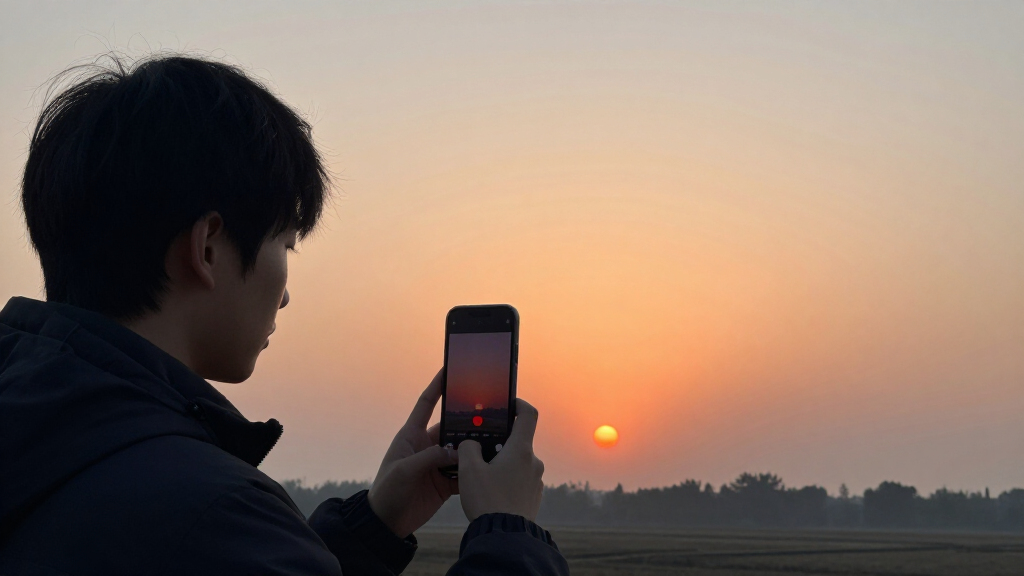
Heavy smoke can dim the Sun so much it appears as a solid, crimson disk—like a glowing ember in the sky.
The color and intensity of smoky sunsets and sunrises depend on particle size, smoke age, humidity, and solar elevation.
Always use proper solar filters to view or photograph the Sun safely; never look directly without protection.
Frequent wildfires and increasing smoke events are a visible sign of climate change’s impact on our atmosphere and weather patterns.
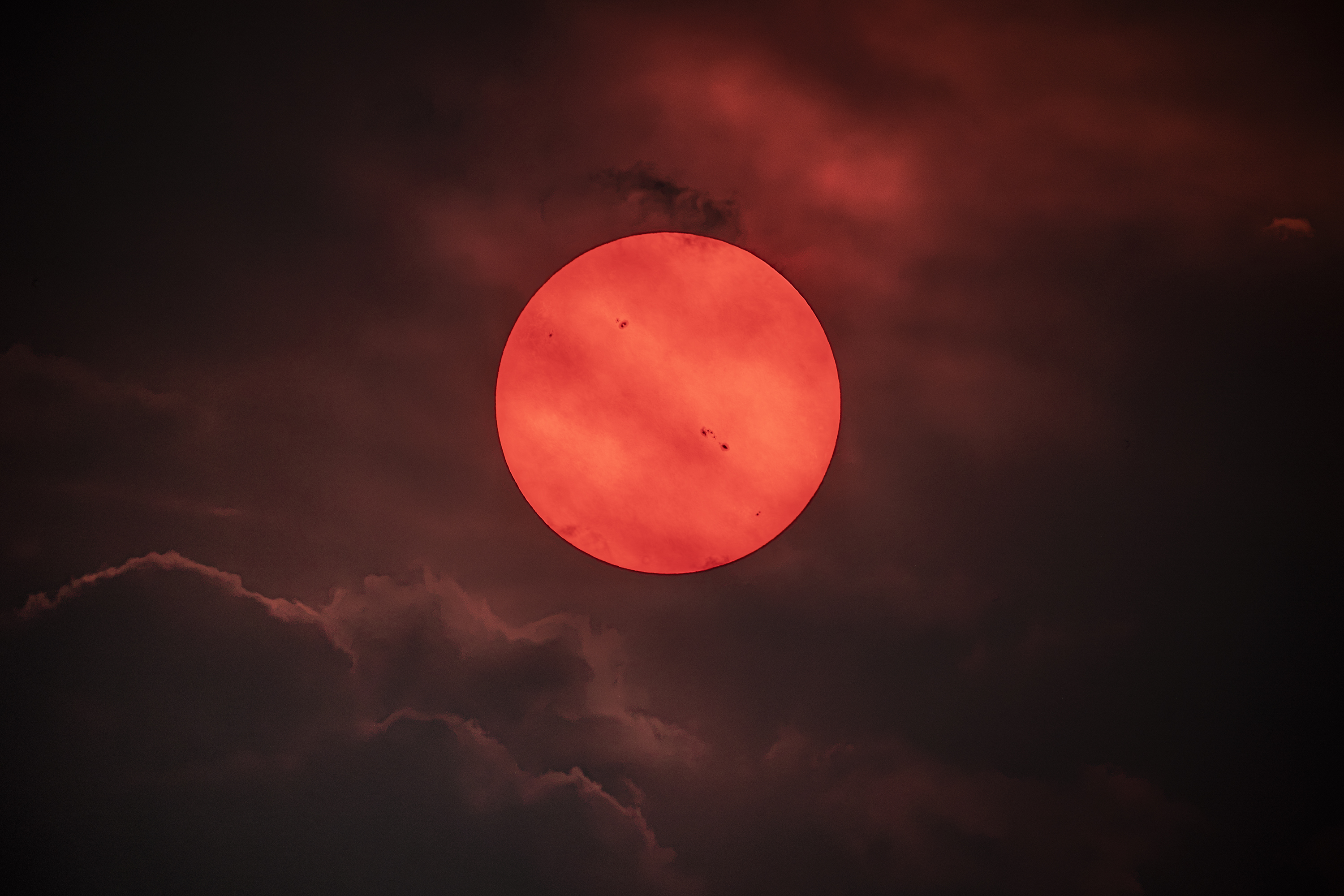
Why the Sun Looks Red During Wildfires: The Science in Simple Terms
The Sun looks red because tiny particles from wildfire smoke flood the atmosphere, acting like nature’s dimmer switch and color filter. These aerosol particles, about 0.1 to 1 micrometer across, scatter blue and green light far more efficiently than red. When sunlight passes through this smoky haze, the shorter wavelengths are pulled out of the beam, leaving behind the deep reds and oranges we see.
Think of it like a smoky room: the blue light gets scattered and absorbed, so only the warm, red hues make it through. This effect is similar to a sunset, but wildfire smoke can turn the Sun red even when it’s high overhead, not just at dawn or dusk.
For example, during intense Canadian wildfires in 2026, observers in British Columbia reported seeing the Sun as a dark, crimson disk—a stark contrast to its usual bright yellow. This is because the dense smoke layer acts as a filter, dimming and reddening the Sun even at midday.
As an affiliate, we earn on qualifying purchases.
How Smoke Particles Make the Sky Look Hazy and the Sun Red
Smoke particles influence how we see the sky and Sun through two main types of scattering: Rayleigh and Mie. Rayleigh scattering is what makes the sky blue and the Sun appear yellow on clear days. It depends heavily on wavelength, scattering shorter blue and green light more efficiently.
But wildfire smoke introduces larger particles that cause Mie scattering. This process is less wavelength-dependent, meaning it can scatter red and orange light as well, especially when the smoke is thick. When the sky fills with smoke, the whole scene appears hazy, and the Sun takes on a deep, fiery hue.
Imagine trying to look at a candle through fog: the thicker the fog, the dimmer and more red the flame appears. During heavy wildfire smoke events, this effect can be so intense that the Sun looks like a dull, red disk, almost like a glowing ember in the sky.
As an affiliate, we earn on qualifying purchases.
Comparison Table: Sun in Clear Sky vs. Smoke-Filled Sky
| Feature | Clear Sky | Wildfire Smoke |
|---|---|---|
| Color of the Sun | Bright yellow or white | Deep red or orange |
| Brightness | Bright, glare | Dimmer, subdued |
| Sky appearance | Blue, clear | Hazy, orange or red tint |
| Effect on sunsets | Rich reds and purples | Enhanced reds, sometimes almost monochrome |
wildfire smoke air quality monitor
As an affiliate, we earn on qualifying purchases.
As an affiliate, we earn on qualifying purchases.
Tips for Safely Viewing a Red Sun During Wildfires
- Never look directly at the Sun without proper solar filters—your eyes can be permanently damaged.
- Use solar viewing glasses or filters designed for photography—these block UV and IR rays.
- If you want to photograph the red Sun, set your camera to low ISO, use a solar filter, and avoid looking through the viewfinder directly at the Sun.
- Observe the Sun through a tree canopy or a thick layer of smoke—sometimes the smoke filters the Sun enough to make viewing safer, but never assume it’s safe without proper filters.
- Check local air quality reports. Heavy smoke can also mean unhealthy air at ground level, so wear a mask if you’re outdoors for long.
UV protective solar viewing glasses
As an affiliate, we earn on qualifying purchases.
As an affiliate, we earn on qualifying purchases.
What These Red Sun Photos Say About Climate and Pollution
When wildfires produce enough smoke to turn the Sun red, it signals a surge in atmospheric aerosols—tiny particles from burning wood and other fuels. According to environmental scientists, increased aerosol levels are linked to climate change, which makes wildfires more frequent and intense.
For instance, during the 2026 wildfire season, record-breaking fire activity in North America injected massive amounts of smoke into the stratosphere. This not only dimmed sunlight but also contributed to regional cooling and altered weather patterns.
In essence, these fiery skies aren’t just a dramatic spectacle—they’re a visible sign of how human activity and climate change are changing our atmosphere, with consequences that reach far beyond the horizon.
How to Photograph the Red Sun and Smoky Skies
Capturing the red Sun through wildfire smoke can be a rewarding challenge. Use a telephoto lens (200mm or more) to zoom in on the Sun, but always with a proper solar filter. Without it, your gear and eyes are at risk.
Set your camera to a low ISO (100 or 200), a small aperture (f/11 or higher), and a fast shutter speed to avoid overexposure. If shooting with a smartphone, attach a certified solar filter over the lens—never rely on DIY filters or sunglasses.
For a vivid shot, photograph during the “golden hour” when the Sun is near the horizon, and the light is softer. The smoky atmosphere can add a surreal, almost painterly quality to your images—think fiery reds and deep oranges.
Remember: safety first. Never look directly at the Sun through unfiltered optics, and always verify your filters are rated for solar photography.
Frequently Asked Questions
Is it safe to look at the red Sun during wildfires?
Not without proper protection. Wildfire smoke dims the Sun, but ultraviolet and infrared rays remain dangerous. Always use certified solar filters or glasses designed for solar viewing—never look directly without protection.
Why does the sky look hazy and orange when the Sun is red?
Smoke particles scatter and absorb shorter wavelengths, creating a hazy, orange or red atmosphere. The denser the smoke, the more the sky appears muted and the Sun takes on a deep, fiery hue.
Can I photograph the red Sun safely?
Yes, with a proper solar filter on your camera or smartphone. Set your camera to low ISO, small aperture, and fast shutter speed. Never look directly through unfiltered optics at the Sun.
Does a red Sun mean the air is unhealthy where I am?
Sometimes, yes. Heavy smoke can indicate poor air quality at ground level. Check local air quality reports—sky color alone doesn’t always reflect actual pollution levels.
Are these smoky skies linked to climate change?
Yes. Increased wildfire activity and longer fire seasons, driven by warming temperatures, produce more aerosols, which influence climate and atmospheric conditions globally.
Conclusion
The fiery red Sun isn’t just a stunning visual—it’s a warning and a window into how human activity is shaping our atmosphere. When you see that deep crimson glow, remember it’s a sign of both nature’s power and our climate’s shifting balance.
Next time wildfires turn the sky smoky, appreciate the beauty, but stay safe. Each red sunset is a vivid reminder that our actions today echo across the sky tomorrow.
Flea & tick season Picks
flea and tick prevention
As an affiliate, we earn on qualifying purchases.