
TL;DR
Zodiacal light is a faint glow caused by sunlight scattering off tiny dust particles in the Solar System’s plane. It’s best seen during dark, moonless nights in fall and spring, especially away from city lights. Studying this glow helps scientists understand planetary formation and debris in space.
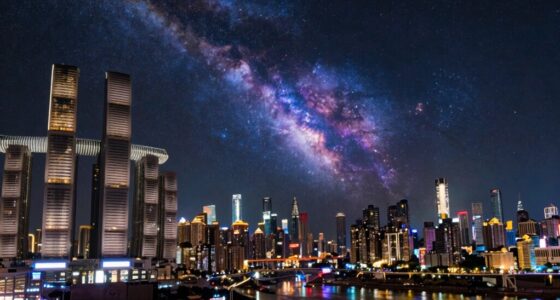
Ever wonder what’s happening just beyond the glow of city lights? Tonight, you have a chance to see something truly special: the faint, shimmering band known as zodiacal light. It’s a whisper of dust, a ghostly pyramid of light stretching along the horizon, whispering stories from the heart of our Solar System.

Prime made for students and young adults
- Fast, free delivery for dorm and study essentials
- Prime Video and Amazon Music included
- Member-only deals
This phenomenon connects us to the tiny particles that drift through space, remnants of comets and asteroid collisions. Understanding it isn’t just about capturing a beautiful photo; it’s a window into how planets, including Earth, were born and continue to evolve.
The zodiacal light may seem delicate, but it’s packed with clues. This article will show you how and when to see it, what makes it unique, and why scientists are so fascinated by this subtle glow.Zodiacal light appears as a faint, pyramid-shaped glow along the ecliptic, best seen during dark, moonless nights in spring and fall.
It results from sunlight scattering off tiny dust particles, which NASA’s recent findings link to Mars and other planetary activity.
Use a wide-angle lens, a tripod, and aim toward the horizon at the right season for a stunning shot.
Avoid light pollution and bright moonlight—these wash out the faint glow.
Ongoing space missions are refining our understanding of interplanetary dust, revealing more about the Solar System’s history and evolution.
What Exactly Is Zodiacal Light — And Why Does It Look So Faint?
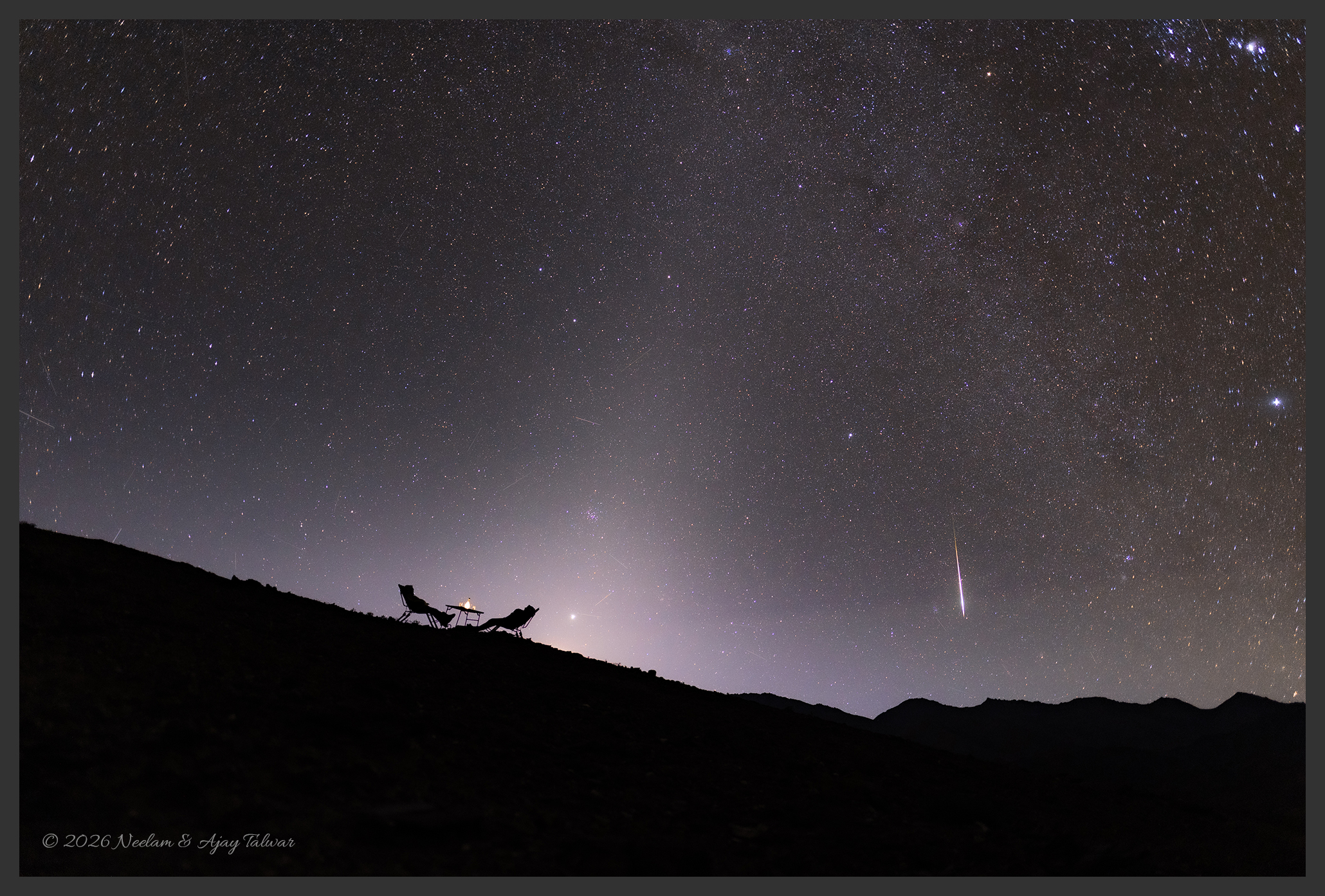
The zodiacal light is a soft, diffuse glow that stretches along the ecliptic, the imaginary line where the Sun, Moon, and planets move across the sky. It’s caused by sunlight bouncing off tiny dust particles—smaller than a grain of sand—that orbit in the plane of the Solar System.
Imagine standing in a dark field at dawn, the faintest hint of pink on the horizon. Now, picture that glow extending upward, almost like a faint pyramid or cone. That’s zodiacal light. Its brightness is so subtle that it’s easily drowned out by city lights or a bright Moon.
What makes it look so faint? The dust particles are incredibly sparse—think of a cloud so thin you can barely see it unless you’re in a dark, clear spot far from artificial lights. Plus, the light is scattered at small angles, making the glow more of a whisper than a shout in the night sky.
Popular right now

TCL 85-Inch QM64L QD-Mini LED 4K Smart Fire TV

Ninja Prestige Smart XL Pro Cook System 10-in-1 Air Fryer and Countertop Oven, Stainless Steel, DT551

KitchenAid Artisan 5-Quart Tilt-Head Stand Mixer, KSM150PS, Almond Cream
As an affiliate, we earn on qualifying purchases.
How and When Can You Spot the Zodiacal Light From Your Backyard?
Seeing zodiacal light isn’t about luck alone; it’s about choosing the right time and place. The best chances are during the spring and fall, after sunset or just before sunrise, when the sky is dark enough. Clear, moonless nights are ideal.
Look for a dark horizon—away from city glow and light pollution. The glow appears as a faint, pyramid-shaped band extending upward from the horizon, aligned with the ecliptic plane. It’s often visible near the eastern horizon just before dawn or in the west after sunset.
For example, in 2026, astronomers in remote places like Ladakh, India, or the deserts of the American Southwest report perfect conditions for spotting the zodiacal light during these seasons. If you want to try, check local moon phases—avoid nights with a bright Moon in the sky, or the glow will disappear.
Why Is NASA’s Latest Research Making Zodiacal Dust So Fascinating?
NASA’s recent missions, including the Juno spacecraft, have revealed that Mars might be a major source of the dust that creates zodiacal light. This is a game-changer. Previously, scientists thought comets and asteroid collisions were the main sources.
Now, evidence suggests that dust from Mars, kicked up by its seasonal storms and surface activity, scatters sunlight back toward Earth. This means the glow isn’t just a passive remnant but actively linked to planetary processes.
Imagine dust particles from Mars drifting through space, eventually scattering sunlight and painting our night sky with a ghostly glow. These discoveries deepen our understanding of how planets interact with their surroundings and help refine models predicting when and where the zodiacal light will appear.
How to Capture a Stunning Photo of the Zodiacal Light — Tips and Gear
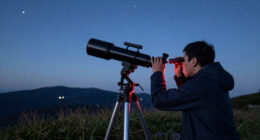
Photographing the zodiacal light requires a wide-angle lens, a sturdy tripod, and patience. Use a camera with manual settings, set a high ISO (around 800-1600), and keep the exposure long—sometimes 30 seconds to a minute—without moving the camera.
Choose a dark location with a clear, unobstructed horizon. Use a remote shutter or timer to avoid camera shake. Focus on infinity, and aim your lens toward the ecliptic plane, where the glow is brightest.
For example, a photographer in Arizona captured a stunning shot of the pyramid-shaped glow stretching over the desert, with bright planets like Jupiter nearby. The secret? Arriving early, setting up in a dark spot, and experimenting with exposure times.
Zodiacal Light vs. Other Night Sky Wonders — How Do They Compare?
| Feature | Zodiacal Light | Milky Way | Aurora Borealis |
|---|---|---|---|
| What causes it? | Sunlight scattering off interplanetary dust | Stars, dust, and gas in our galaxy | Solar particles interacting with Earth’s magnetic field |
| Best viewing time | Spring and fall, after sunset or before sunrise | Summer nights, late evening to early morning | Winter, clear, magnetic activity peaks |
| Visibility conditions | Dark, moonless skies, minimal light pollution | Dark skies away from city glow | Clear, geomagnetic activity at peak |
| Appearance | Faint pyramid-shaped glow along the ecliptic | Bright band across the sky, Milky Way core | Colorful shimmering curtains of light |
What’s Next? How Ongoing Missions and Science Will Keep Revealing Space Dust Secrets
NASA and international teams are launching new missions to map interplanetary dust with greater precision. Instruments aboard satellites and telescopes are measuring dust particles’ size, composition, and trajectories.
These efforts will clarify how dust moves through the Solar System, how planets like Mars contribute to it, and how debris disks around other stars resemble our own.
For skywatchers, this means more accurate predictions of when zodiacal light will be visible—and maybe even new cosmic surprises in the future.
Frequently Asked Questions
Can I see zodiacal light from any location?
Zodiacal light is best viewed from dark, rural areas away from city lights. Clear horizons and minimal light pollution significantly increase your chances. If you’re in a suburban or urban setting, chances drop unless you find a hilltop or open field far from bright sources.Why is zodiacal light more visible during certain seasons?
It’s tied to Earth’s position relative to the dust cloud and the Sun’s angle. During spring and fall, the ecliptic plane tilts favorably toward your horizon after sunset or before sunrise, making the glow more prominent.How does NASA’s research help amateur skywatchers?
NASA’s models and recent findings help predict when and where the zodiacal light will shine brightest. This means you can plan your observation nights better, increasing your chances of catching this subtle glow.Conclusion
Tonight’s zodiacal night offers more than a pretty glow; it’s a glimpse into the dusty, dynamic heart of our Solar System. With a little planning and patience, you can witness this faint whisper of space dust that connects us to planets and comets.
Next time you look up, remember—what you see isn’t just darkness. It’s a story of cosmic debris, planetary activity, and the endless dance of sunlight and dust. Keep your eyes open. The universe is whispering.