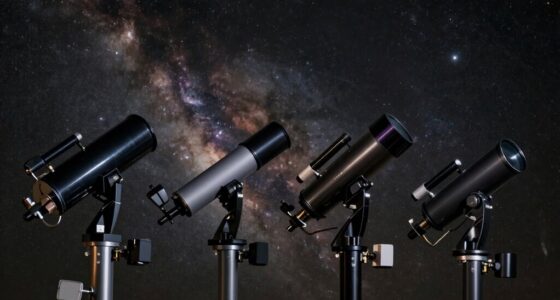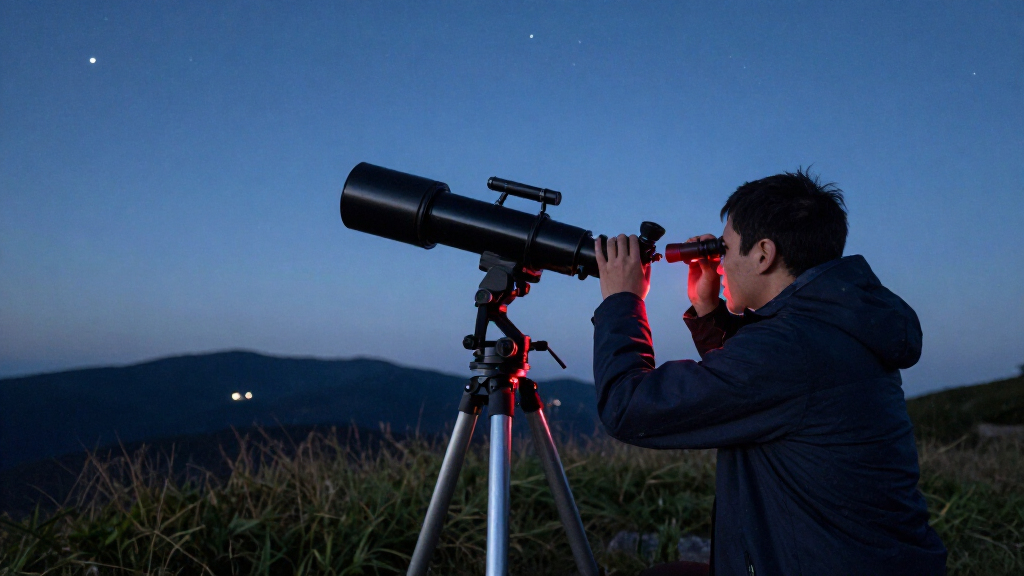
Wide field astrophotography eyepieces can help you frame more of the sky visually, but an eyepiece is used for observing, not for recording images with a camera. My best overall pick for visual observing alongside an astrophotography setup is the Celestron Ultima Edge 30mm, with its long focal length and 2-inch format suited to broad views. The Tele Vue Panoptic 19mm offers a more compact, premium alternative, while the Astromania SWA 32mm is a straightforward option for buyers seeking a wide apparent field. The main tradeoffs are field of view, magnification, focuser compatibility, eye relief, and optical correction across your telescope’s field. Read on for how each option fits different setups and observing priorities.

Prime made for students and young adults
- Fast, free delivery for dorm and study essentials
- Prime Video and Amazon Music included
- Member-only deals
Key Takeaways
- The 30mm Celestron Ultima Edge leads this lineup for broad visual framing, while its 2-inch barrel requires a compatible focuser or adapter.
- The Tele Vue Panoptic 19mm is the premium compact choice; it trades the wider true field of a longer focal length for a smaller 1.25-inch format.
- The Astromania SWA 32mm, 22mm, and 17mm provide a focal-length spread for buyers who want to tune magnification without committing to one wide-field view.
- The SVBONY four-eyepiece set covers several magnifications at once, but its shorter focal lengths serve different observing goals than low-power wide-field viewing.
- Wide-field eyepieces support visual observing, not camera capture. For deep-sky imaging, camera sensor size, telescope optics, and tracking matter more than an eyepiece’s apparent field.
| Celestron Ultima Edge 30mm 2-Inch Eyepiece |  | Best for Comfortable Long Sessions | Focal length: 30 mm | Barrel size: 2 inches | Apparent field of view: 70° | VIEW LATEST PRICE | See Our Full Breakdown |
| Astromania 17mm SWA 70° Telescope Eyepiece (1.25″/2″) |  | Best for Flexible Focuser Compatibility | Focal length: 17 mm | Barrel size: 1.25-inch / 2-inch dual barrel | Field of view: 70° | VIEW LATEST PRICE | See Our Full Breakdown |
| Tele Vue Panoptic 19mm Wide-Angle 1.25-Inch Telescope Eyepiece |  | Best for Compact 1.25-Inch Setups | Focal length: 19 mm | Apparent field of view: 68° | Barrel size: 1.25 inches | VIEW LATEST PRICE | See Our Full Breakdown |
| Astromania 22 mm SWA 70° Telescope Eyepiece |  | Best for Mid-Power 2-Inch Framing | Focal length: 22 mm | Barrel size: 2 inches | Field of view: 70° | VIEW LATEST PRICE | See Our Full Breakdown |
| Astromania 32mm SWA 70° Telescope Eyepiece |  | Best for Lowest-Power Wide Views | Focal length: 32 mm | Barrel size: 2 inches | Field of view: 70° | VIEW LATEST PRICE | See Our Full Breakdown |
| SVBONY 68° Ultra Wide Angle Telescope Eyepiece Set, 6mm, 9mm, 15mm, and 20mm |  | Best Multi-Focal-Length Set | Set includes: 6mm, 9mm, 15mm, and 20mm | Apparent field of view: 68 degrees | Eyepiece type: Kellner | VIEW LATEST PRICE | See Our Full Breakdown |
| Tele Vue 4.7mm Ethos-SX Eyepiece with 2-inch Adapter |  | Best for Extreme Apparent Field | Focal length: 4.7mm | Apparent field of view: 110 degrees | Eye relief: 15mm | VIEW LATEST PRICE | See Our Full Breakdown |
| Celestron X-Cel LX 25mm Telescope Eyepiece |  | Best for 1.25-Inch Low-Power Viewing | Focal length: 25mm | Apparent field of view: 60 degrees | Eye relief: 16mm | VIEW LATEST PRICE | See Our Full Breakdown |
| Celestron Luminos 23mm 2″ Eyepiece |  | Best for Immersive Deep-Sky Views | Focal length: 23mm | Field of view: 82 degrees | Barrel size: 2 inch | VIEW LATEST PRICE | See Our Full Breakdown |
| SVBONY SV154 2-inch Super Wide Angle Telescope Eyepiece (26mm, 70° FOV) |  | Best for a Moderate 2-Inch Wide Field | Focal length: 26mm | Field of view: 70 degrees | Mount size: 2 inch | VIEW LATEST PRICE | See Our Full Breakdown |
| wide field astrophotography eyepiece | Focal length | Coating | Barrel size | Eye relief |
|---|---|---|---|---|
| Celestron Ultima Edge 30mm 2-I | 30 mm | — | 2 inches | 22 mm |
| Astromania 17mm SWA 70° Telesc | 17 mm | Fully multi-coated | 1.25-inch / 2-inch dual barrel | 20 mm |
| Tele Vue Panoptic 19mm Wide-An | 19 mm | Multi-coated | 1.25 inches | 13 mm |
| Astromania 22 mm SWA 70° Teles | 22 mm | Multi-coated | 2 inches | 20 mm |
| Astromania 32mm SWA 70° Telesc | 32 mm | Multi-coated | 2 inches | 20 mm |
| SVBONY 68° Ultra Wide Angle Te | — | Fully multi-coated | — | — |
| Tele Vue 4.7mm Ethos-SX Eyepie | 4.7mm | — | — | 15mm |
| Celestron X-Cel LX 25mm Telesc | 25mm | Fully multi-coated | 1.25 inch | 16mm |
| Celestron Luminos 23mm 2" Eyep | 23mm | Fully multi-coated | 2 inch | — |
| SVBONY SV154 2-inch Super Wide | 26mm | Fully multi-coated | — | — |
More Details on Our Top Picks
Celestron Ultima Edge 30mm 2-Inch Eyepiece
The Celestron Ultima Edge 30mm pairs a 70° apparent field with 22mm of eye relief, making it a comfortable choice for scanning star fields while keeping eyeglasses on. Compared with the Astromania 32mm SWA, its slightly shorter focal length gives a little more magnification in the same telescope, while the Astromania offers a broader low-power view. Its 9-element, fully multi-coated design is intended to keep the view crisp toward the field edge, a useful trait when framing extended targets. The tradeoff is fit: this eyepiece needs a 2-inch focuser or diagonal, so it cannot serve a 1.25-inch-only setup. Its parfocal behavior also helps mainly if you own other Ultima Edge eyepieces; it does not carry over across brands.
Pros:- 70° apparent field gives a broad view for star fields and large targets.
- 22mm eye relief and a fold-down eyecup accommodate eyeglasses.
- Nine fully multi-coated elements are designed for crisp views across the field.
- Parfocal with most other Ultima Edge eyepieces, reducing refocusing within that line.
Cons:- Requires a 2-inch focuser or star diagonal.
- Parfocal compatibility is limited to the Ultima Edge line and excludes its 24mm model.
Best for: Observers with a 2-inch focuser who wear glasses and want a comfortable, wide view for extended deep-sky targets.
Not ideal for: Owners of telescopes limited to 1.25-inch accessories or buyers building a mixed-brand set around parfocal behavior.
- Focal length:30 mm
- Barrel size:2 inches
- Apparent field of view:70°
- Eye relief:22 mm
- Lens design:9 elements
- Optical coatings:Fully multi-coated
- Compatibility:2-inch focusers and star diagonals
- Filter compatibility:Standard 1.25-inch filters and adapters
Our verdict“Choose the Ultima Edge 30mm if comfortable, glasses-friendly wide-field viewing matters more than compatibility with a 1.25-inch-only telescope.”
Astromania 17mm SWA 70° Telescope Eyepiece (1.25″/2″)
The Astromania 17mm SWA stands apart from the 2-inch-only choices here by accepting either a 1.25-inch or 2-inch focuser. That makes it a practical mid-power wide-field option for owners whose telescopes or observing setups vary. Its 70° field and 20mm eye relief support comfortable framing, while the ED element is intended to help preserve contrast and color. Compared with the Tele Vue Panoptic 19mm, it offers more eye relief and dual-barrel flexibility; the Panoptic has a narrower 68° field and a single 1.25-inch format. The Astromania’s M43 thread can support camera-adapter setups, but a T-ring is needed, and an eyepiece is not a substitute for a dedicated imaging telescope. Its fixed focal length also means changing magnification requires another eyepiece.
Pros:- Dual 1.25-inch and 2-inch barrel design fits a wider range of focusers.
- 70° field gives a broad view at a mid-range focal length.
- 20mm eye relief is suitable for many eyeglass wearers.
- ED element and fully multi-coated optics are intended to support contrast and color fidelity.
Cons:- Camera use requires a separate T-ring adapter.
- Fixed focal length requires swapping eyepieces to change magnification.
Best for: Telescope owners who switch between 1.25-inch and 2-inch equipment and want one 17mm eyepiece with generous eye relief.
Not ideal for: Dedicated astrophotographers seeking a camera-ready imaging system or observers who want variable magnification from one eyepiece.
- Focal length:17 mm
- Barrel size:1.25-inch / 2-inch dual barrel
- Field of view:70°
- Eye relief:20 mm
- Optical element:ED glass
- Coating:Fully multi-coated
- Astrophotography thread:M43x0.75 male
- Filter threads:1.25-inch and 2-inch
Our verdict“Pick this Astromania if you need one wide-field eyepiece that can move between 1.25-inch and 2-inch setups.”
Tele Vue Panoptic 19mm Wide-Angle 1.25-Inch Telescope Eyepiece
The Tele Vue Panoptic 19mm brings a 68° apparent field to a 1.25-inch barrel, making it the compact-format pick for observers who want a wide view without moving to 2-inch accessories. Multi-coated optics and blackened lens edges are intended to reduce stray light, which can help maintain contrast around bright stars. Against the Astromania 17mm SWA, the Panoptic gives up two degrees of field and has less eye relief, but its field stop and 1.25-inch format suit a setup built around that barrel size. The Celestron Ultima Edge 30mm provides a wider 70° view and much longer eye relief, though it requires a 2-inch focuser. At 13mm, eye relief may feel tight for some eyeglass wearers, and its shorter focal length frames less sky than the 30mm options.
Pros:- 68° apparent field offers a wide view in a 1.25-inch format.
- Multi-coated optics and blackened lens edges are designed to limit stray light.
- Filter threads support common 1.25-inch observing filters.
- Rubber grip rings and a barrel undercut aid handling and retention.
Cons:- 13mm eye relief may be restrictive for observers who keep eyeglasses on.
- The 1.25-inch barrel rules out telescopes that accept only 2-inch eyepieces without an adapter.
Best for: Observers with 1.25-inch-only telescopes who want a wide-field eyepiece for medium-power views of star clusters and nebulae.
Not ideal for: Eyeglass wearers needing long eye relief or owners seeking the broadest low-power framing available in this group.
- Focal length:19 mm
- Apparent field of view:68°
- Barrel size:1.25 inches
- Eye relief:13 mm
- Field stop diameter:21.3 mm
- Lens elements:6
- Coating:Multi-coated
- Additional features:Filter threads, rubber grip rings, barrel undercut
Our verdict“Choose the Panoptic 19mm if you want a wide-field view in a 1.25-inch setup and can work with its shorter eye relief.”
Astromania 22 mm SWA 70° Telescope Eyepiece
With a 22mm focal length, this Astromania fills the mid-power gap between the 17mm Astromania SWA and the longer 30mm Celestron Ultima Edge. Its 70° field makes it suited to framing larger deep-sky objects while retaining more magnification than those longer focal lengths in the same telescope. The 20mm eye relief is a practical advantage for eyeglass wearers, and the ED element with multi-coated lenses is designed to support contrast. Its M43 thread offers a route to camera attachment with the right adapter and T-ring, but that connection adds parts and does not by itself make this an imaging system. Unlike the dual-barrel 17mm Astromania, this model needs a 2-inch focuser, so it is less adaptable across smaller or 1.25-inch-only telescopes.
Pros:- 70° field provides wide framing at a mid-range focal length.
- 20mm eye relief supports comfortable viewing for many eyeglass wearers.
- ED glass and multi-coated lenses are intended to preserve contrast.
- M43 thread permits camera attachment with suitable adapters.
Cons:- Requires a 2-inch focuser, unlike the dual-barrel Astromania 17mm.
- Camera connection needs a suitable adapter and T-ring.
Best for: Observers with a 2-inch focuser who want a glasses-friendly wide-field eyepiece between mid and low magnification.
Not ideal for: Owners of 1.25-inch-only telescopes or buyers who expect to attach a camera without extra adapters.
- Focal length:22 mm
- Barrel size:2 inches
- Field of view:70°
- Eye relief:20 mm
- Lens:ED glass with fully coated lenses
- Coating:Multi-coated
- Camera connection:M43 thread; requires suitable adapter and T-ring
- Filter compatibility:Standard 2-inch filters
Our verdict“Choose the 22mm SWA if your 2-inch telescope needs a comfortable wide-field view with more magnification than a 30mm eyepiece.”
Astromania 32mm SWA 70° Telescope Eyepiece
The Astromania 32mm SWA is the longest focal-length option in this batch, so it is the natural pick for sweeping broad star fields and framing extended targets at lower magnification. Its 70° field and 20mm eye relief make that wide view accessible to many eyeglass wearers. Compared with the Celestron Ultima Edge 30mm, it offers slightly lower magnification in the same telescope, while the Celestron lists 22mm eye relief and a nine-element design aimed at crisp views across the field. The Astromania counters with ED glass, multi-coated optics, and compatibility with 2-inch filters. Its 2-inch barrel limits it to telescopes with the matching focuser, and camera use needs an optional adapter. This is a visual wide-field choice with a camera thread, not a complete astrophotography rig.
Pros:- 32mm focal length supports low-power, broad-sky framing.
- 70° field is suited to sweeping star fields and extended objects.
- 20mm eye relief accommodates many observers who wear glasses.
- ED glass, multi-coated optics, and 2-inch filter compatibility support flexible visual use.
Cons:- Requires a telescope with a 2-inch focuser.
- Camera adapter is optional and must be acquired separately.
Best for: Owners of 2-inch telescopes who prioritize low-power views of large nebulae, open clusters, and rich star fields.
Not ideal for: Observers using 1.25-inch-only equipment or those who need higher magnification for smaller targets.
- Focal length:32 mm
- Barrel size:2 inches
- Field of view:70°
- Eye relief:20 mm
- Lens:ED glass with fully coated lenses
- Coating:Multi-coated
- Camera adapter thread:M43x0.75 male
- Filter compatibility:2-inch filters
Our verdict“Pick the 32mm SWA for broad, low-power views on a 2-inch telescope when you value sky coverage over magnification.”
SVBONY 68° Ultra Wide Angle Telescope Eyepiece Set, 6mm, 9mm, 15mm, and 20mm
For an astrophotographer building an observing kit around several magnifications, this four-eyepiece set spans 6mm to 20mm, while its 68-degree apparent field gives a more open view than a narrow-field basic eyepiece. Fully multi-coated optics and internally blackened housings are intended to limit stray reflections, which can help keep contrast in brighter targets. The 15mm and 20mm options are the more natural starting points for wider deep-sky framing; the 6mm is aimed at high magnification and will depend heavily on telescope focal length and seeing. Compared with the single-focal-length Celestron X-Cel LX 25mm, this set covers more observing situations, but its 20mm maximum is shorter for broad, low-power views. The fixed focal lengths also mean changing eyepieces, and the 1.25-inch format rules out telescopes that only accept 2-inch barrels.
Pros:- Four focal lengths cover a range of magnifications
- 68-degree apparent field feels more expansive than a narrow-field design
- Fully multi-coated optics and internally blackened housings are designed to support contrast
- Fold-down rubber eye guards can accommodate eyeglass wearers
Cons:- 20mm maximum focal length gives less low-power reach than the Celestron X-Cel LX 25mm
- Fixed focal lengths require swapping eyepieces to change magnification
- Fits standard 1.25-inch mounts only
Best for: Beginners with a 1.25-inch telescope who want several fixed focal lengths for comparing lunar, planetary, and deep-sky views.
Not ideal for: Astrophotographers seeking a single low-power eyepiece for the widest possible deep-sky framing, or owners of 2-inch-only focusers.
- Set includes:6mm, 9mm, 15mm, and 20mm
- Apparent field of view:68 degrees
- Eyepiece type:Kellner
- Mount:Fixed mount
- Barrel compatibility:Standard 1.25-inch eyepiece mount
- Coating:Fully multi-coated
- Eye guard:Fold-down soft rubber
- Warranty:1 year
Our verdict“Choose this set if you want several focal lengths for a 1.25-inch telescope and can accept a 20mm ceiling for wide-field viewing.”
Tele Vue 4.7mm Ethos-SX Eyepiece with 2-inch Adapter
The 110-degree apparent field is the defining reason to choose this eyepiece: it creates an unusually expansive view at a 4.7mm focal length, suited to high-magnification targets when the telescope and atmospheric conditions support them. Its included 2-inch adapter adds fitting flexibility, while 15mm eye relief and DIOPTRX compatibility address some comfort and astigmatism-correction needs. For wide-field astrophotography planning, though, apparent field alone does not make this a low-power framing eyepiece. Compared with the Celestron Luminos 23mm, the Ethos-SX offers a much wider apparent field but a far shorter focal length, so it is directed toward high-power views rather than sweeping broad nebulae or clusters. Its fixed focus and demanding magnification make it a specialized complement, not a one-eyepiece starting point for every telescope.
Pros:- 110-degree apparent field gives an exceptionally immersive view
- 15mm eye relief
- DIOPTRX compatibility supports astigmatism correction
- Includes a 2-inch adapter
Cons:- 4.7mm focal length can produce excessive magnification for many telescope and seeing combinations
- Fixed-focus design offers no focal-length adjustment
- Less suited to broad, low-power deep-sky framing than the Celestron Luminos 23mm
Best for: Experienced observers with a telescope that can support high magnification who want an exceptionally wide apparent field for compact targets.
Not ideal for: Buyers seeking low-power, broad deep-sky framing or observers whose local seeing rarely supports high magnification.
- Focal length:4.7mm
- Apparent field of view:110 degrees
- Eye relief:15mm
- Format:1.25-inch
- Included adapter:2-inch
- Focus type:Fixed focus
- Field stop effective diameter:8.94mm
- Warranty:Limited lifetime
Our verdict“Pick the Ethos-SX for high-power observing with an unusually wide apparent field, not as your main low-power deep-sky eyepiece.”
Celestron X-Cel LX 25mm Telescope Eyepiece
The 25mm focal length makes this a practical low-power choice for telescopes with a 1.25-inch focuser, and its 60-degree apparent field offers a moderate wide view without requiring a 2-inch barrel. Six fully multi-coated elements are designed to maintain image clarity and contrast; the 16mm eye relief and twist-up eyecup also help accommodate different viewing positions. Compared with the SVBONY four-piece set, this Celestron gives a longer single focal length than that set’s 20mm maximum, but you do not get multiple magnification choices in the box. Its 60-degree field is narrower than the 82-degree Celestron Luminos 23mm, while the smaller barrel can suit rigs that cannot accept 2-inch accessories. The fixed focal length still limits framing flexibility, and it is not a fit for 2-inch-only focusers.
Pros:- 25mm focal length supports lower-power views in a 1.25-inch format
- Six fully multi-coated optical elements
- 16mm eye relief with twist-up rubber eyecup
- Parfocal design can reduce refocusing when swapping compatible eyepieces
Cons:- 60-degree apparent field is narrower than the Celestron Luminos 23mm’s 82 degrees
- Fixed focal length provides no magnification adjustment
- 1.25-inch barrel does not fit telescopes requiring 2-inch eyepieces
Best for: Owners of 1.25-inch telescopes who want a comfortable 25mm eyepiece for lower-power deep-sky and general observing.
Not ideal for: Observers prioritizing a very wide apparent field, multiple focal lengths in one purchase, or compatibility with 2-inch-only focusers.
- Focal length:25mm
- Apparent field of view:60 degrees
- Eye relief:16mm
- Barrel size:1.25 inch
- Optical elements:6
- Coating:Fully multi-coated
- Material:Black-anodized aluminum
- Weight:7.1 ounces
Our verdict“Choose the X-Cel LX if your telescope uses 1.25-inch accessories and you want a comfortable 25mm option over an ultra-wide field.”
Celestron Luminos 23mm 2″ Eyepiece
With an 82-degree field and a 23mm focal length, the Luminos is geared toward framing broad deep-sky targets with an immersive view through a 2-inch focuser. Fully multi-coated optics target crisp views, while the retractable eyecup and rubber grip make handling more secure in the dark. Its parfocal design can also make swaps quicker when paired with compatible eyepieces. Compared with the SVBONY SV154 26mm, the Luminos has a wider stated field but a slightly shorter focal length; the SV154 is the more modest-field alternative for someone prioritizing a lighter specification set of features. At 1.1 pounds, the Luminos adds substantial weight to the focuser, so balance and focuser capacity matter, especially on smaller mounts. Its 2-inch barrel also excludes telescopes limited to 1.25-inch accessories, and fixed focus means magnification still depends on the telescope.
Pros:- 82-degree field provides an expansive apparent view
- 23mm focal length suits broad deep-sky observing
- Fully multi-coated optics
- Retractable eyecup, rubber grip, and parfocal design support handling and eyepiece changes
Cons:- 2-inch barrel limits compatibility with 1.25-inch-only telescopes
- 1.1-pound weight can challenge balance on smaller mounts
- Fixed focal length requires the telescope focuser and other eyepieces for magnification changes
Best for: Deep-sky observers with a sturdy 2-inch focuser who want an expansive apparent field for nebulae, galaxies, and clusters.
Not ideal for: Owners of 1.25-inch-only telescopes or lightweight rigs where a 1.1-pound eyepiece may strain balance or focuser capacity.
- Focal length:23mm
- Field of view:82 degrees
- Barrel size:2 inch
- Coating:Fully multi-coated
- Material:Anodized aluminum
- Weight:1.1 pounds
- Eyecup:Retractable rubber
- Warranty:2-year limited
Our verdict“Choose the Luminos for an immersive 23mm view if your 2-inch focuser and mount can handle its size and weight.”
SVBONY SV154 2-inch Super Wide Angle Telescope Eyepiece (26mm, 70° FOV)
The SV154 pairs a 26mm focal length with a 70-degree field, giving 2-inch telescope owners a broad view without reaching the Luminos 23mm’s 82-degree apparent field. Its five-element, three-group design uses fully multi-coated glass, while the removable silicone eye cup gives some flexibility for different viewing positions. The safety undercut is intended to help keep the eyepiece secure in the focuser. Compared with the Celestron Luminos 23mm, this is the less expansive field choice; its slightly longer focal length favors a different framing and magnification balance. The supplied information also cautions against using it in reflector telescopes, which narrows its appeal for a common telescope type. It needs a 2-inch focuser and its moderate magnification is not the right tool for high-power planetary viewing.
Pros:- 26mm focal length supports broad, lower-power views
- 70-degree field offers wide framing
- Fully multi-coated five-element, three-group optical design
- Removable silicone eye cup and safety undercut
Cons:- 70-degree field is less expansive than the Celestron Luminos 23mm’s 82 degrees
- Requires a 2-inch focuser
- Manufacturer tips advise against use with reflector telescopes
Best for: Owners of compatible refractor or catadioptric telescopes with 2-inch focusers who want a moderate wide-field eyepiece for clusters and nebulae.
Not ideal for: Reflector owners, users of 1.25-inch-only telescopes, and observers seeking high magnification for planetary detail.
- Focal length:26mm
- Field of view:70 degrees
- Mount size:2 inch
- Lens structure:5 elements in 3 groups
- Coating:Fully multi-coated
- Eye cup:Removable, foldable silicone rubber
- Compatibility:Refractor, reflective, and catadioptric telescopes with 2-inch focusers
Our verdict“Consider the SV154 for broad views in a compatible 2-inch refractor or catadioptric, provided its 70-degree field meets your needs.”
How We Picked
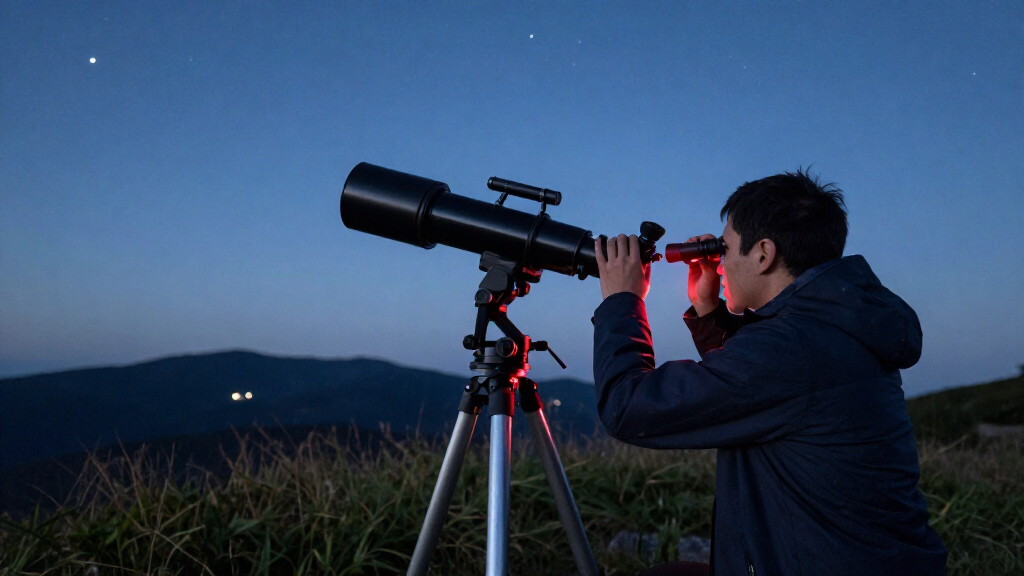
I compared the listed eyepieces by the viewing decisions they help buyers make: how much sky a focal length can frame, whether the barrel fits a common focuser, and how easily a buyer can build a useful range of magnifications. I also weighed the practical differences between a single-purpose wide-field eyepiece, a multi-focal-length set, and premium designs. A broad view earns value only when it suits the telescope and target; a 2-inch barrel, for example, can limit compatibility even when the eyepiece offers an appealing low-power role.
The ranking favors options with a clear job in a visual observing kit and useful tradeoffs a buyer can judge before purchasing. The Ultima Edge ranks first as the broad-view lead pick, while the Panoptic ranks highly for buyers prioritizing a compact premium option. Astromania’s focal-length choices and the SVBONY set serve value and range needs. Shorter focal lengths and models with less direct relevance to low-power framing rank lower for this specific roundup, though they may suit other observing plans.
| wide field astrophotography eyepiece | Coating |
|---|---|
| Celestron Ultima Edge 30mm 2-I | — |
| Astromania 17mm SWA 70° Telesc | Fully multi-coated |
| Tele Vue Panoptic 19mm Wide-An | Multi-coated |
| Astromania 22 mm SWA 70° Teles | Multi-coated |
| Astromania 32mm SWA 70° Telesc | Multi-coated |
| SVBONY 68° Ultra Wide Angle Te | Fully multi-coated |
| Tele Vue 4.7mm Ethos-SX Eyepie | — |
| Celestron X-Cel LX 25mm Telesc | Fully multi-coated |
| Celestron Luminos 23mm 2" Eyep | Fully multi-coated |
| SVBONY SV154 2-inch Super Wide | Fully multi-coated |
Factors to Consider When Choosing Wide Field Astrophotography Eyepieces
Before choosing an eyepiece, match its role to your telescope and the way you observe. These broader checks can prevent a wide apparent field from becoming an awkward or redundant purchase.
Separate Visual Observing From Imaging
An eyepiece shapes the view your eye sees through a telescope; a camera usually attaches to the telescope without an eyepiece. If you are building a visual companion for an imaging rig, choose for comfortable target finding and observing between exposures. If your goal is to photograph a larger region of sky, check the camera sensor, telescope focal length, and framing tools instead. Mixing these two uses can lead to buying an expensive eyepiece that does not change your camera’s field. Decide which job the accessory needs to do before comparing apparent field figures.
Check the Telescope’s Focal Ratio and Edge Performance
Eyepiece performance depends on the telescope as well as the eyepiece. Faster telescopes can make edge-of-field aberrations more visible, so a wide apparent field alone does not guarantee stars look sharp across the view. A coma corrector may help with coma from a Newtonian telescope, but it does not correct every eyepiece aberration. Buyers with fast optics should look for credible optical-performance information for their telescope type and focal ratio. Those with slower telescopes may be less sensitive to edge behavior. Treat the field edge as part of the viewing experience, not a detail implied by the eyepiece’s angle.
Calculate Magnification and Exit Pupil
Magnification is telescope focal length divided by eyepiece focal length, so the same eyepiece gives different results in different telescopes. Exit pupil is eyepiece focal length divided by telescope focal ratio, and it affects how bright an extended object appears to the eye. A very long focal length can create an exit pupil larger than your eye can use, wasting some of the telescope’s gathered light. Shorter focal lengths increase magnification but narrow the true patch of sky and can make tracking harder. Check both calculations before choosing a low-power eyepiece, especially if your telescope has a fast focal ratio.
Confirm Barrel Size and Focuser Capacity
A 2-inch eyepiece needs a 2-inch focuser or a suitable adapter, and some telescopes cannot reach focus with every combination of extensions and adapters. Two-inch models can support a wider true field at low magnification, but they are larger and heavier than many 1.25-inch options. Added weight can shift a Dobsonian’s balance or strain a small mount when you swap eyepieces. Check the focuser size, available back focus, and mount balance before buying. If you already own a 1.25-inch diagonal or focuser, a compatible eyepiece may be the simpler choice.
Compare True Field, Not Just Apparent Field
Apparent field describes the angular width of the view through the eyepiece, while true field describes how much sky is visible. A useful estimate divides apparent field by magnification, though the exact result varies with optical design. This is why two eyepieces labeled with similar wide angles can frame very different amounts of sky when their focal lengths differ. For large nebulae or star fields, true field and exit pupil often matter more than the largest angle printed on a box. For smaller targets, a shorter focal length can make the object easier to inspect even though the view includes less sky.
Plan a Set Around Your Targets
A collection works best when each eyepiece fills a distinct role instead of duplicating nearby magnifications. Start with the targets you observe most: broad star fields call for a low-power view, while planets and compact objects benefit from higher magnification when seeing conditions allow. A multi-eyepiece set can cover more magnifications in one purchase, but some included focal lengths may see little use if they overlap with what you own. Check eye relief and eye placement too, especially if you observe with glasses. Paying more makes sense when optical correction, comfort, or build quality solves a real problem in your setup.
Frequently Asked Questions
Can I use a wide field eyepiece to take astrophotographs?
For most telescope imaging, the camera attaches to the telescope and records the image directly, so the eyepiece does not set the camera’s field of view. Eyepieces remain useful for visual observing, centering a target, and checking the sky between imaging sessions. Eyepiece projection photography is possible with specific adapters, but it is a separate setup and is not the usual route for deep-sky imaging. If your priority is a wider photograph, compare camera sensor size and telescope focal length. Choose an eyepiece for the visual side of your observing kit.
Should I buy a 2-inch eyepiece if my telescope accepts both sizes?
A 2-inch barrel can allow a wider true field at low magnification, which can help frame large objects and simplify star hopping. It also adds bulk and weight, and it may require checking balance, clearance, and focuser travel. A 1.25-inch eyepiece can be easier to handle and may suit higher magnifications or a compact kit. Compare the true field you need with the field stop and focal length, rather than assuming the larger barrel always gives a better view. Your telescope’s focal ratio and the size of your eye’s pupil also affect whether a long focal length is useful.
Is a 70-degree eyepiece wide enough for deep-sky observing?
A 70-degree apparent field is wide enough for many deep-sky views, but it does not tell you how much sky the telescope will show. True field depends on the eyepiece’s apparent field and the magnification produced by your telescope. A longer focal length at the same apparent angle generally frames more sky, though it also produces a larger exit pupil. For extended targets, check the object’s apparent size and your telescope’s field; for compact targets, a narrower true field can still be a good match. Consider edge sharpness too, particularly with a fast telescope.
Should I choose one premium eyepiece or a set with several focal lengths?
One premium eyepiece makes more sense when you already know the magnification and eye comfort that suit your observing. A set gives a newcomer more ways to explore, but its focal lengths may not all be useful in a particular telescope or under local seeing conditions. Compare the set’s magnification steps with eyepieces you already own to spot overlap. If you observe mostly large targets, prioritize a useful low-power view before adding short focal lengths. If you are still learning your preferences, a broader range can help you identify which roles deserve a later upgrade.
How do I know whether a long focal length will show more sky or waste light?
Calculate magnification by dividing your telescope’s focal length by the eyepiece focal length, then calculate exit pupil by dividing the eyepiece focal length by the telescope’s focal ratio. A longer eyepiece focal length usually lowers magnification and increases the true field, but it also creates a larger exit pupil. If that exit pupil exceeds the pupil of your eye, some of the telescope’s light may not reach your eye. A fast telescope reaches that limit with a shorter eyepiece focal length than a slower one. Use these calculations alongside the eyepiece’s field stop and your target size to choose a practical low-power view.
Conclusion
For broad visual framing, I would start with the Celestron Ultima Edge 30mm, provided your telescope accepts its 2-inch barrel and benefits from its focal length. The Astromania SWA 32mm is my value pick for a similar low-power role, while the Tele Vue Panoptic 19mm is the premium choice for buyers who favor a compact 1.25-inch format. Beginners who want several magnification options can look to the SVBONY 68° set, after checking that its focal lengths suit their telescope. For a shorter focal-length specialty option, the Tele Vue Ethos-SX 4.7mm is aimed at high-magnification observing rather than broad low-power views. Match the barrel, magnification, and exit pupil to your telescope first; then choose the role that fills a real gap in your observing kit.