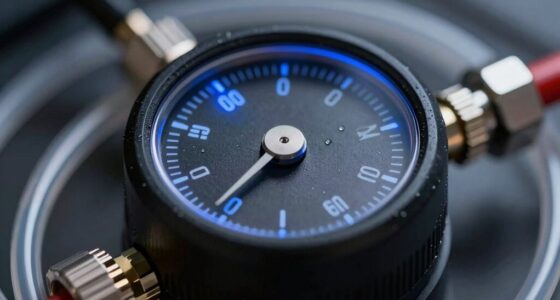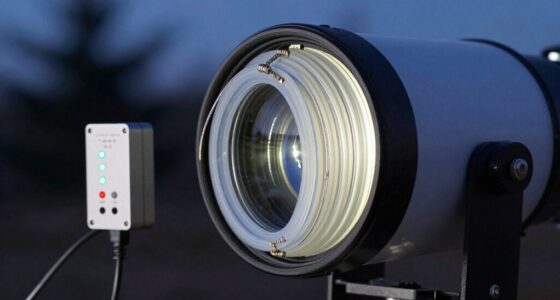
When selecting dew heaters for refractors, reflectors, or lenses, focus on models with adjustable power settings to suit different humidity and temperature conditions. Consider easy-to-install options with secure mounting and precise temperature controls for effective dew prevention. Make sure the heater is compatible with your power source, whether AC or portable batteries, to avoid interruptions. Energy-efficient designs help extend observing time. Keep these factors in mind, and you’ll find the best setup for clear, dew-free nights—plus, there’s more to discover below.

Prime made for students and young adults
- Fast, free delivery for dorm and study essentials
- Prime Video and Amazon Music included
- Member-only deals
Key Takeaways
- Choose heaters with adjustable power settings suitable for varying humidity and temperature conditions.
- Ensure compatibility with your telescope’s mounting options and installation space.
- Select models with precise temperature control features to prevent dew formation without overheating.
- Opt for energy-efficient heaters that match your power source, especially for portable or battery-powered setups.
- Consider ease of installation and adjustment for quick setup and reliable dew prevention during observations.

Are you unsure which dew heater is right for your needs? Choosing the correct dew heater can seem complicated, but focusing on a few key aspects can simplify the process. One of the most important considerations is power consumption. You want a heater that effectively prevents dew without draining your power supply or causing overloads. Look for models with adjustable power settings so you can fine-tune the energy use based on the ambient conditions. A heater with a lower power draw might be sufficient on dry nights, while more robust options are better for humid or colder environments. Keep in mind that some dew heaters are designed with energy efficiency in mind, helping you conserve power during long observing sessions.
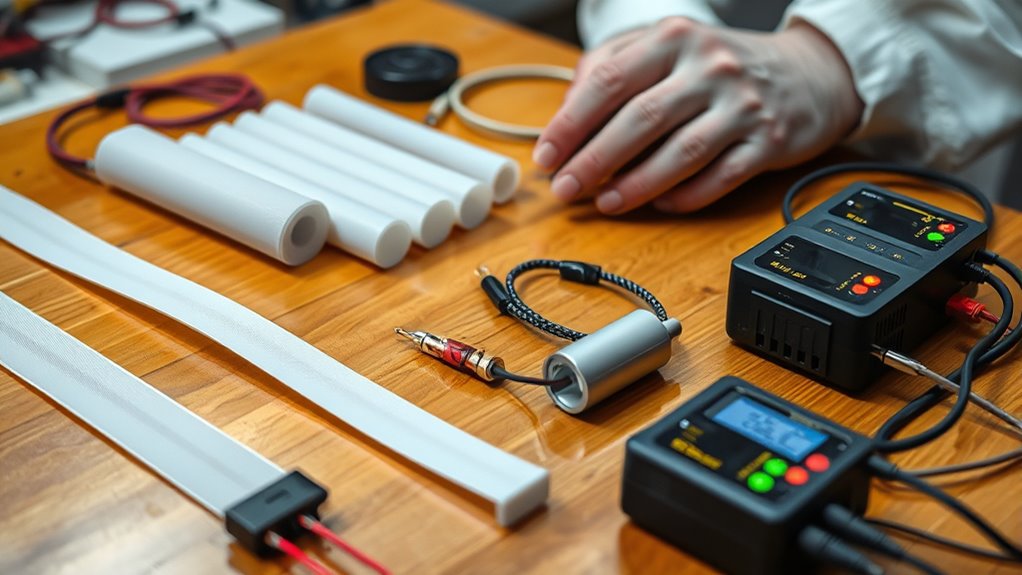
Another critical factor is installation methods. Dew heaters come with different mounting options, and your choice depends on your equipment and personal preferences. Many heaters are equipped with adhesive strips or hook-and-loop fasteners, making them easy to attach directly to your refractor, reflector, or lens. These methods are straightforward and quick, perfect if you frequently set up and break down your equipment. Others might require more permanent solutions like clips or brackets, which offer a more secure fit but can be more complex to install. Consider the size and shape of your telescope or lens; some heaters are flexible strips that can wrap around your optics, while others are flat pads designed for specific surfaces. Proper installation ensures even heat distribution, which is essential for preventing dew effectively.
When selecting a dew heater, also think about how easy it is to operate and adjust during your session. Many models include built-in thermostats or temperature controls, allowing you to maintain a consistent temperature without overheating your optics. The convenience of a remote control or digital display can make adjustments quicker and more precise, especially when you’re focused on observing celestial objects. Compatibility with your existing power sources is another essential aspect—most dew heaters run on standard AC power, DC batteries, or portable power packs. Ensuring your power setup can handle the heater’s requirements prevents interruptions during your session. Additionally, high-quality projectors often feature advanced temperature regulation to optimize performance and prevent overheating.
Frequently Asked Questions
Can Dew Heaters Damage Optical Coatings?
Dew heaters generally don’t damage optical coatings if used properly, but poor-quality heaters or incorrect settings can harm them. To guarantee optical coating safety and extend dew heater longevity, always use the right wattage and temperature controls. Avoid direct contact with the lens surface and regularly check for signs of overheating. Proper use and quality equipment help protect your optics and keep your dew heater functioning effectively over time.
How Do I Power Dew Heaters Remotely?
You can power dew heaters remotely using remote power solutions like portable batteries or power banks. Wireless control systems, such as Bluetooth or Wi-Fi-enabled controllers, let you turn the heaters on or off without physically accessing them. Simply connect the heaters to a compatible wireless control device, ensuring secure connections and adequate power supply, so you can manage dew prevention comfortably from a distance during your observing sessions.
What’s the Ideal Dew Heater Size for Small Telescopes?
For small telescopes like miniature telescopes, a dew heater with a power rating around 2 to 4 watts usually suffices. This size offers effective dew prevention without overheating or wasting energy. Make sure the dew heater is compatible with your telescope’s material and setup, ensuring proper dew heater compatibility. You want a heater that provides enough warmth to prevent dew buildup but remains gentle enough not to damage delicate optics.
Are There Eco-Friendly Dew Heating Options?
Sure, eco-friendly dew heating options do exist, though they’re often a rare gem. You can choose dew heaters made from eco-conscious materials and powered by renewable sources like solar or wind. These options let you chase the stars guilt-free, knowing you’re reducing your environmental impact. While they may cost a bit more or require extra setup, they’re a smart choice for the environmentally minded astronomer who values sustainability as much as clear skies.
How Do Dew Heaters Perform in Extremely Cold Temperatures?
Dew heaters perform well in extremely cold temperatures by maintaining thermal regulation to prevent dew buildup. Their heater efficiency depends on proper insulation and power settings, ensuring consistent heat distribution. You’ll find that high-quality dew heaters adapt quickly to temperature drops, keeping your optics clear. When temperatures plummet, using a reliable dew heater with adjustable settings helps you avoid dew formation and maintains best viewing conditions.
Conclusion
So, there you have it. Just remember, choosing the right dew heater isn’t rocket science—unless you want it to be, in which case, go ahead and overthink every watt and connector. The truth is, a little common sense and a dash of practicality will do wonders. After all, your telescope’s not auditioning for a space mission, so don’t turn this into a high-stakes scientific experiment. Keep it simple, keep it snappy, and keep gazing!
Fall Picks
fall essentials
As an affiliate, we earn on qualifying purchases.