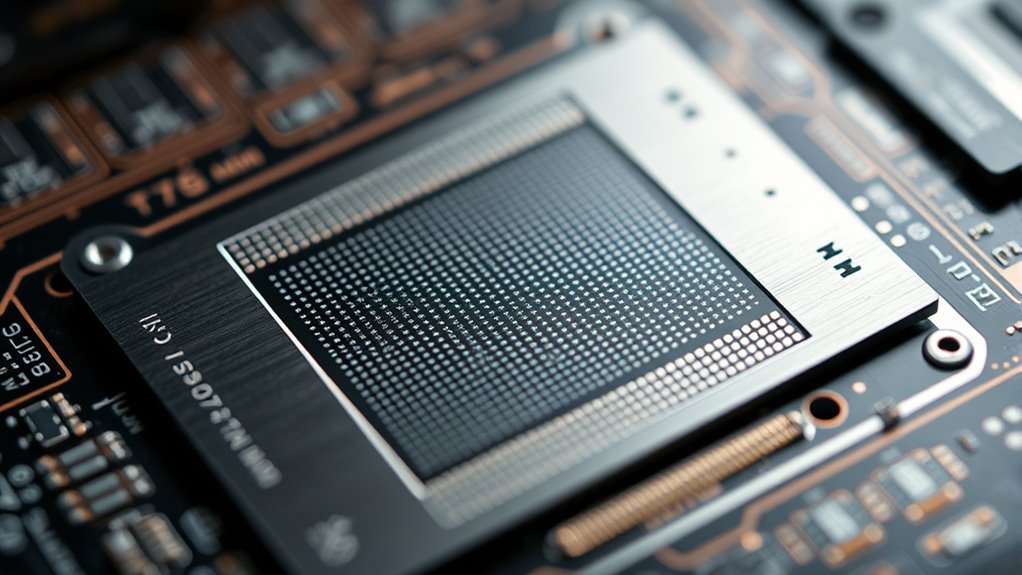

Modern CMOS sensors with high-resolution chips offer you sharp, detailed images thanks to their advanced pixel architecture. They feature excellent noise management, especially in low-light conditions, and a wide dynamic range that captures both highlights and shadows. Their fast performance reduces motion blur, making them perfect for action shots. These sensors are versatile, supporting high-quality photography and videography. Keep exploring to discover how these innovations can elevate your photography skills even further.
Key Takeaways
- High-resolution CMOS sensors capture finer details, enabling sharper images and better cropping options without quality loss.
- Advanced noise reduction techniques improve image clarity, especially in low-light and high-contrast environments.
- Wide dynamic range capabilities preserve details in highlights and shadows, enhancing overall image quality.
- Faster readout speeds support quick processing and reduced motion blur for action and video capture.
- Enhanced pixel architecture boosts light sensitivity and color accuracy, resulting in vibrant, high-quality images across various conditions.

Have you ever wondered how modern digital cameras deliver such high-quality images? The secret lies in the advanced CMOS sensors that power these devices. These sensors have evolved considerably, offering impressive features that enhance image clarity and detail. One key aspect is their ability to manage sensor noise. In low-light conditions or when capturing high-contrast scenes, sensor noise can compromise image quality, causing graininess or discoloration. Modern CMOS sensors incorporate sophisticated noise reduction techniques, allowing you to shoot clearer photos even in challenging lighting. This results in smoother, more natural images with less post-processing required.
Another critical feature is the sensor’s dynamic range. Dynamic range refers to the sensor’s capacity to capture details in both the brightest highlights and the darkest shadows within a single shot. High-resolution CMOS sensors excel here, enabling you to preserve detail in scenes with extreme contrast, like a sunset or a shadowed landscape. This means your images will retain vibrant colors and intricate details across the entire tonal spectrum, without losing information in overly bright or dark areas. Such wide dynamic range provides greater flexibility during editing and guarantees your photos look more realistic and balanced straight out of the camera.
Modern CMOS sensors also boast high resolution, which translates directly into sharper, more detailed images. With more pixels packed onto the chip, every minute detail becomes visible, whether you’re capturing a landscape or a portrait. This high resolution, combined with advanced noise reduction, means you can enlarge or crop your photos without sacrificing quality. The sensors are designed with improved pixel architecture that enhances light sensitivity, further reducing sensor noise and boosting dynamic range. As a result, your images will be crisp, vibrant, and full of depth, even in less-than-ideal lighting conditions.
Furthermore, these sensors are built with speed in mind. They support faster readout speeds, which means less motion blur and better performance for action shots or video recording. This combination of speed, resolution, and noise management makes modern CMOS sensors versatile tools that cater to both amateur and professional photographers alike. They allow you to capture high-quality images in a variety of situations, from low-light scenes to fast-moving subjects, all while maintaining excellent image fidelity. In essence, these sensors are at the heart of the modern photographic revolution, empowering you to create stunning images with ease.

Canon EOS Rebel T7 DSLR Camera EF-S 18-55mm f/3.5-5.6 is II Lens Kit, 24.1 Megapixel CMOS (APS-C) Sensor, Full HD Videos, Built-in Wi-Fi, Beginner Photographers, Digital Camera, Black
- High-Resolution Sensor: 24.1 Megapixel CMOS (APS-C)
- Wireless Connectivity: Built-in Wi-Fi and NFC
- Fast Autofocus System: 9-Point AF and AI Servo AF
As an affiliate, we earn on qualifying purchases.
As an affiliate, we earn on qualifying purchases.
Frequently Asked Questions
How Do CMOS Sensors Compare to CCD Sensors in Low-Light Conditions?
You’ll find CMOS sensors generally perform better than CCDs in low-light conditions because they offer superior noise reduction and wider dynamic range. This means you can capture clearer images with less grain and more detail in shadows and highlights. CMOS sensors also process data faster, allowing for quicker shots and better adaptability in dim environments. Overall, they provide a more versatile and high-quality low-light photography experience.
What Are the Typical Power Consumption Levels for High-Resolution CMOS Sensors?
High-resolution CMOS sensors typically consume between 100 to 500 milliwatts, depending on their size and features. You can enhance their power efficiency through advanced energy management techniques, reducing overall power consumption. By optimizing circuitry and processing algorithms, you guarantee the sensor operates effectively while conserving energy, which is especially vital for battery-powered devices. Overall, modern CMOS sensors are designed to balance high performance with low power consumption.
How Do CMOS Sensors Handle High-Speed Image Capturing?
You handle high-speed image capturing with CMOS sensors by utilizing a global shutter, which captures the entire frame simultaneously, reducing motion distortion. Additionally, you benefit from increased readout speed, allowing quick data transfer from the sensor to processing units. Together, these features enable smooth, high-quality images even at rapid frame rates, making CMOS sensors ideal for applications like sports photography, machine vision, and scientific imaging.
What Are the Manufacturing Challenges of Producing Ultra-High-Resolution CMOS Chips?
You face manufacturing challenges with ultra-high-resolution CMOS chips, mainly due to the need for extreme manufacturing precision. Achieving consistent pixel quality and minimizing defects become harder as chip complexity increases. Additionally, you must focus on yield optimization, ensuring most chips meet quality standards without excessive waste. Balancing these factors requires advanced fabrication techniques, meticulous process control, and continuous innovation to produce reliable, high-performance sensors at scale.
How Do CMOS Sensors Impact the Overall Cost of Imaging Devices?
CMOS sensors influence the overall cost of imaging devices by enabling cost reduction through streamlined manufacturing processes. As technology advances, production costs decrease, allowing you to access high-resolution chips at more affordable prices. Smaller, more efficient CMOS sensors reduce material and assembly expenses, making high-quality imaging more accessible. This balance of performance and affordability helps you get better devices without substantially raising your investment, benefiting both manufacturers and end-users.

EMEET S600 4K Webcam for Streaming, Sony 1/2.55'' Sensor, PDAF Autofocus
- 4K Streaming Quality: Crisp 4K Sony sensor with multiple resolutions
- Fast PDAF Autofocus: High-precision, quick auto-focus technology
- Auto Light Adjustment: Balances shadows and highlights automatically
As an affiliate, we earn on qualifying purchases.
As an affiliate, we earn on qualifying purchases.
Conclusion
With modern CMOS sensors, you step into a world where every pixel captures the vibrant details of life’s moments. Picture crisp landscapes, shimmering city lights, and stunning portraits—all rendered with stunning clarity. These high-resolution chips turn your camera into a window into endless possibilities, blending innovation with your creativity. Embrace the power of advanced technology, and let your images tell vivid stories, frozen in time with breathtaking precision.
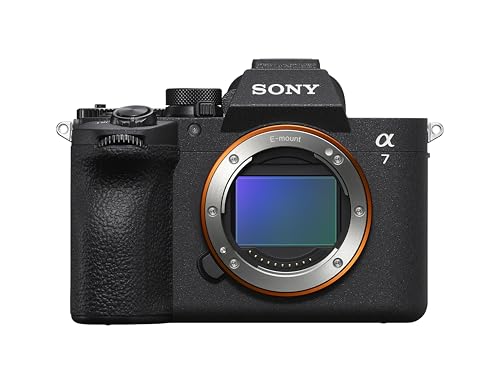
Sony Alpha a7 V Full-Frame Mirrorless Camera Body AI AF 30fps
- Sensor Type: Partially stacked Exmor RS CMOS
- Sensor Speed: Approx. 4.5x faster readout
- Shutter Speed: Maximum 1/16000 sec
As an affiliate, we earn on qualifying purchases.
As an affiliate, we earn on qualifying purchases.

W & O 4K Digital Camera for Photography,Flip Screen Digital Camera for Kids
- Rich Colors with CCD Sensor: Enhanced nostalgic photography style
- Ready to Use Out of the Box: Includes 32GB SD card and USB-C reader
- Easy Photo Transfer: Connects directly to phone without app
As an affiliate, we earn on qualifying purchases.
As an affiliate, we earn on qualifying purchases.