
TL;DR
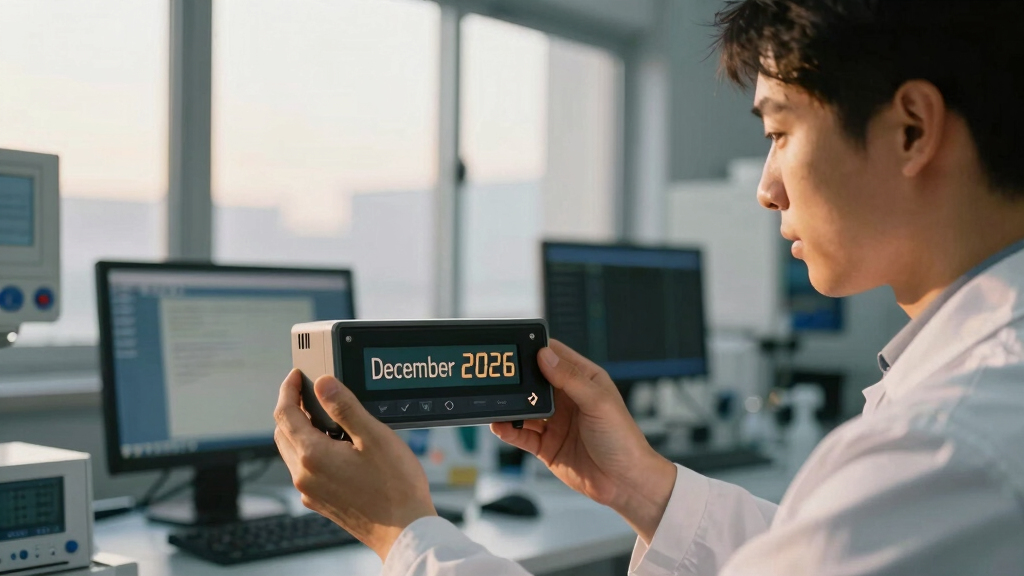
The International Earth Rotation and Reference Systems Service (IERS) has announced that no leap second will be introduced at the end of December 2026. This decision impacts global timekeeping practices and future synchronization efforts.
The International Earth Rotation and Reference Systems Service (IERS) has officially announced that no leap second will be added at the end of December 2026. This marks a departure from previous practices of inserting leap seconds to keep atomic time aligned with Earth’s rotation, affecting global time synchronization and systems relying on precise timing.
The decision was confirmed by IERS, the primary authority responsible for coordinating leap seconds, during their recent meeting. The organization cited the increasing difficulty in maintaining precise synchronization between atomic time and Earth’s rotation, along with technological and operational challenges associated with leap seconds. This change means that the next scheduled leap second will be postponed indefinitely, with no new date set for future adjustments. The move reflects a broader shift in international timekeeping policy, driven by advancements in technology and the desire for a more stable and predictable time standard. Experts note that this decision will impact fields such as satellite navigation, telecommunications, and scientific research, which rely heavily on precise time measurements.While the decision is confirmed, the exact timeline for future adjustments remains uncertain. The IERS has indicated that they will continue to monitor Earth’s rotation and provide updates, but no plans are in place for a new leap second in the foreseeable future. The change has been met with mixed reactions, with some experts welcoming the stability it offers, and others raising concerns about potential long-term discrepancies between atomic time and Earth’s rotation.
Implications for Global Timekeeping Stability
This decision is significant because it marks a shift away from the long-standing practice of inserting leap seconds to correct for Earth’s irregular rotation. The move aims to improve the stability of Coordinated Universal Time (UTC), which is critical for global navigation, communication, and scientific operations. However, it also raises questions about how discrepancies between atomic time and Earth’s rotation will be managed over time, potentially leading to a gradual divergence that could impact systems relying on precise synchronization.

WallarGe Atomic Clock 12.5 Inch Self-Setting Digital Wall Clock
- Automatic Time Synchronization: Self-setting with WWVB radio signal
- Indoor and Outdoor Temperature: Displays indoor and outdoor temps via sensor
- Large Digital Display: Jumbo 2.5-inch high time display
As an affiliate, we earn on qualifying purchases.
As an affiliate, we earn on qualifying purchases.
Background on Leap Seconds and Time Standard Changes
Leap seconds have been added irregularly since 1972 to keep UTC aligned with Earth’s rotation, which varies due to gravitational and geological factors. The practice has been controversial, with debates over its necessity and impact. In recent years, technological advancements and the increasing reliance on highly precise timing systems have prompted discussions within international organizations about discontinuing or modifying the use of leap seconds. The decision for December 2026 follows years of deliberation, with the IERS previously indicating potential plans to phase out leap seconds, but only now confirming that no adjustment will occur at the upcoming cycle.
“The decision to omit the leap second in December 2026 reflects our commitment to stability and the evolving needs of global timekeeping.”
— Dr. Maria Lopez, IERS Chair

Garmin GLO 2 GPS and GLONASS Receiver for Precise Position Information on Mobile Devices, Black
- Wireless Connectivity: Connects to smartphones and tablets via Bluetooth
- Dual Satellite Systems: Combines GPS and GLONASS for accuracy
- Long Battery Life: Up to 13 hours of use
As an affiliate, we earn on qualifying purchases.
As an affiliate, we earn on qualifying purchases.
Future Plans for Managing Earth’s Rotation Discrepancies
It is not yet clear how international organizations will address the accumulating difference between atomic time and Earth’s rotation over the coming decades. The IERS has indicated ongoing monitoring but has not committed to specific future adjustments or alternative methods for correction.

Secure Localization and Time Synchronization for Wireless Sensor and Ad Hoc Networks (Advances in Information Security, 30)
As an affiliate, we earn on qualifying purchases.
As an affiliate, we earn on qualifying purchases.
Next Steps in International Time Standard Policies
In the coming years, IERS will continue to observe Earth’s rotation and provide regular updates. Discussions within the international community may focus on developing new standards or strategies for managing long-term discrepancies, including potential technological solutions or revised synchronization protocols. The next scheduled review of leap second policies is expected in 2028, with further decisions likely to follow based on ongoing observations.

United Scientific™ Electric Conductivity Tester, Meter for Lab & Classroom
- Display Type: Ten-level green LED display
- Measurement Capability: Qualitative conductivity readings
- Probe Design: Dual brass probes for solids and liquids
As an affiliate, we earn on qualifying purchases.
As an affiliate, we earn on qualifying purchases.
Key Questions
Why is the leap second being removed in December 2026?
The IERS cited increasing difficulties and technological challenges associated with adding leap seconds, along with a desire for more stable and predictable timekeeping standards.
Will this affect everyday timekeeping for the public?
No, the change primarily impacts systems requiring precise synchronization, such as satellite navigation and scientific research. Daily clocks and calendars will continue to operate normally.
Could the difference between atomic time and Earth’s rotation become problematic?
Potentially, over long periods, as the divergence grows, but ongoing monitoring and future policy adjustments are expected to manage or mitigate these issues.
When might the next leap second be added if at all?
There is no current plan to add another leap second after December 2026, but future decisions will depend on Earth’s rotational changes and international consensus.
Source: hn