

In your winter sky, Orion, Taurus, and Auriga stand out as bright, recognizable constellations. You can spot Orion’s Belt with three aligned stars, a perfect starting point for navigation. Nearby, Taurus features the reddish star Aldebaran and the Pleiades cluster, linking to zodiac signs and myths. Above these, Auriga, with its bright star Capella, offers additional orientation tools. Keep exploring, and you’ll uncover even more about how these stars guide and inspire.

Prime made for students and young adults
- Fast, free delivery for dorm and study essentials
- Prime Video and Amazon Music included
- Member-only deals
Key Takeaways
- Orion is a prominent winter constellation featuring Orion’s Belt, Betelgeuse, and Rigel, serving as a celestial landmark.
- Taurus, near Orion, contains the bright star Aldebaran and the Pleiades star cluster, linked to zodiac signs.
- Auriga is located above Orion and Taurus, notable for the bright star Capella and the open cluster M36.
- These constellations have historically guided navigation and hold cultural significance tied to astrology.
- Recognizing Orion, Taurus, and Auriga enhances winter stargazing and understanding of celestial patterns.
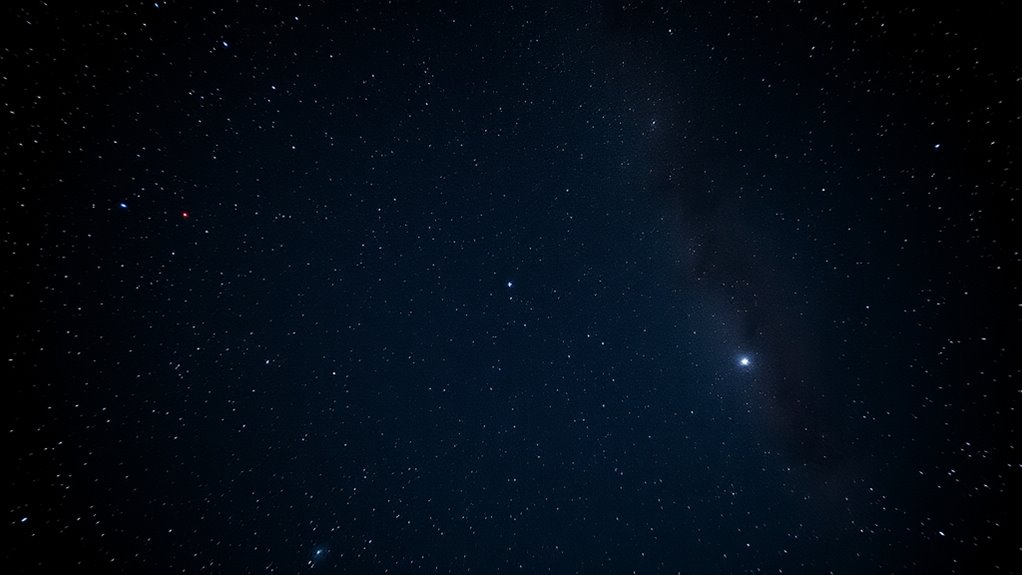
Winter constellations shine brightly in the clear, crisp night sky, offering a stunning display for stargazers. As you look upward, you might notice Orion, Taurus, and Auriga, three prominent figures that dominate the winter heavens. These constellations have served as guiding tools for celestial navigation for centuries, helping travelers and explorers find their way long before modern technology. Their visibility during winter makes them essential landmarks for anyone interested in the night sky, especially since their positions align with the zodiac signs, adding a layer of cultural significance to their celestial presence.
Orion, often called the Hunter, is one of the most recognizable winter constellations. Its three aligned stars form Orion’s Belt, which acts as a bright anchor in the sky. This constellation’s prominent stars, Betelgeuse and Rigel, mark the hunter’s shoulders and feet, making Orion a natural starting point for locating other celestial objects. When you’re stargazing, Orion’s position can help you orient yourself, especially in relation to the zodiac signs. For instance, the belt points toward Taurus, the Bull, whose V-shaped group of stars, including Aldebaran, appears just below Orion’s belt. This connection between constellations and zodiac signs has been used historically for celestial navigation, guiding sailors and travelers through unfamiliar terrain by recognizing patterns in the sky.
Orion’s Belt points toward Taurus, aiding navigation and connecting constellations with zodiac signs.
Taurus stands out with its bright, reddish star Aldebaran and the beautiful Pleiades cluster, which resembles a tiny dipper. During winter, Taurus sits near Orion, making it easier to locate once you’ve found Orion’s Belt. Its position in the sky also aligns with the zodiac sign of Taurus, which spans a period from late April to mid-May but is rooted deeply in the mythologies associated with the stars you see tonight. Recognizing Taurus in the winter sky can help you connect celestial patterns with cultural stories and astrological traditions, enriching your stargazing experience.
Auriga, the Charioteer, is another prominent winter constellation positioned above Orion and Taurus. It’s notable for the bright star Capella, one of the brightest in the night sky and a key marker for celestial navigation. Capella’s steady glow helps you find Auriga, which contains several interesting features like the open star cluster M36. Learning these constellations’ positions relative to each other enhances your ability to navigate the night sky, whether for practical purposes or simply for enjoyment. With a little practice, you’ll start recognizing these patterns and understanding their links to the zodiac signs, making your winter nights not only beautiful but also meaningful in a historical and cultural context. Additionally, understanding common goal tracking pitfalls can help you better plan and enjoy your stargazing sessions, ensuring a more rewarding experience.
stargazing telescope for beginners
As an affiliate, we earn on qualifying purchases.
As an affiliate, we earn on qualifying purchases.
Frequently Asked Questions
When Is the Best Time to View Winter Constellations?
The best time to view winter constellations is during clear, cold winter nights, ideally between December and February. Seasonal changes make these constellations more visible, especially after sunset when the sky is darkest. To optimize your viewing, find a location away from city lights and check local weather forecasts. This way, you can enjoy the stunning shapes of Orion, Taurus, and Auriga at their brightest.
How Do Weather Conditions Affect Winter Stargazing?
Weather conditions profoundly impact your winter stargazing sessions. Cloud cover can curtain the cosmos, blocking your view of dazzling stars and constellations. Temperature fluctuations can cause discomfort and fog up glasses or binoculars, making stargazing less enjoyable. To boost your experience, check weather forecasts for clear, cold nights, bundle up warmly, and pick nights with minimal cloud cover. Proper planning guarantees you seize those spectacular winter sky sights!
Are There Any Mythologies Associated With Orion, Taurus, and Auriga?
You’ll find that Orion, Taurus, and Auriga have rich mythological origins and cultural significance. Orion’s story involves a great hunter linked to Greek legends, symbolizing strength and bravery. Taurus represents the bull from ancient mythologies, often connected to fertility and agriculture. Auriga, the charioteer, holds importance in various cultures as a guide or protector. These stories deepen your appreciation for the night sky’s cultural heritage.
What Equipment Is Recommended for Observing Winter Constellations?
To observe winter constellations, you should use binoculars or a telescope for the best view. Binoculars are great for wide-field viewing and easy to handle, while telescopes provide detailed views of objects like Orion’s nebula or the Pleiades in Taurus. Choose equipment based on your experience level and target objects. Remember, a steady tripod enhances telescope stability, making your winter stargazing more enjoyable.
Can Winter Constellations Be Seen From the Southern Hemisphere?
Like a celestial dance, seasonal constellation shifts change what you see in the night sky. In the Southern Hemisphere, winter constellations are visible but appear flipped compared to the North. You can spot Orion, Taurus, and Auriga, but their positions differ, offering a unique perspective. Southern Hemisphere visibility allows you to enjoy these winter stars, revealing a different tapestry of the universe that’s just waiting to be explored under your local winter skies.
As an affiliate, we earn on qualifying purchases.
Conclusion
As you gaze up at the winter sky, these constellations become your guiding stars, like old friends lighting your way through the night. Orion, Taurus, and Auriga each tell a story, waiting for you to discover their secrets. So, bundle up, look up, and let the stars spark your curiosity. Just as a lantern brightens the darkness, these constellations illuminate your winter nights with wonder and adventure.
celestial navigation star compass
As an affiliate, we earn on qualifying purchases.
As an affiliate, we earn on qualifying purchases.
astronomy binoculars for night sky
As an affiliate, we earn on qualifying purchases.
As an affiliate, we earn on qualifying purchases.
Fall Picks
fall essentials
As an affiliate, we earn on qualifying purchases.