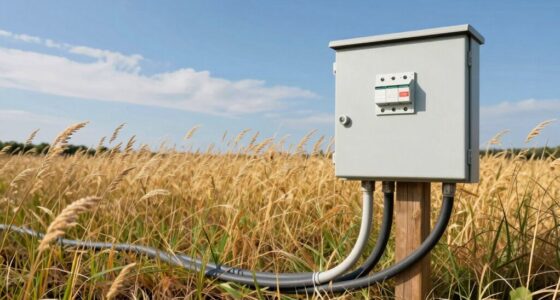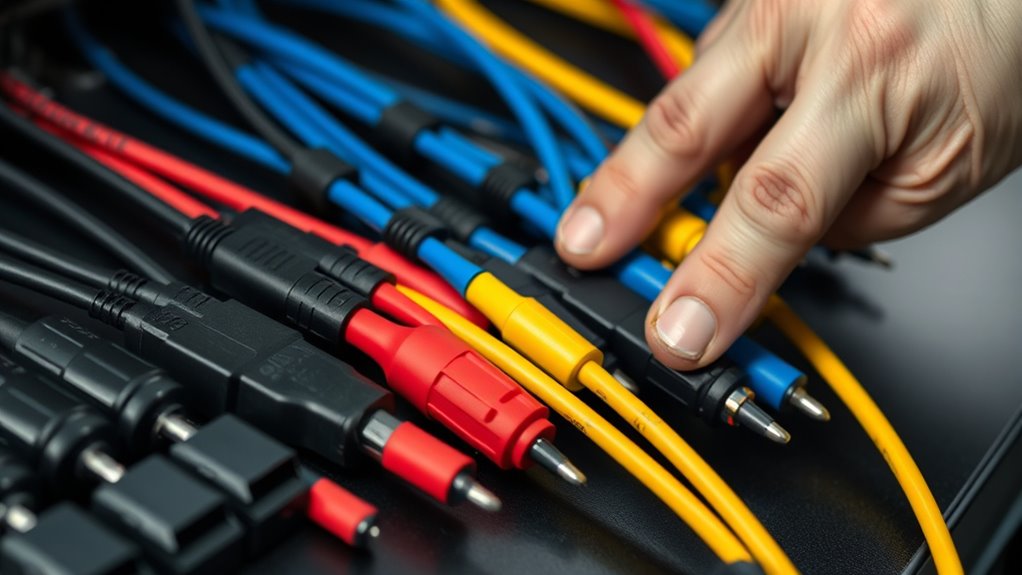

To select the right cables and connectors, consider your environment, power needs, and safety standards. Make certain cables have proper insulation suited for high temperatures or outdoor use, and choose connectors that match cable diameter and supply capacity. Durability is key, so opt for corrosion-resistant materials and secure connections. Proper pairings improve performance and safety. Keep these factors in mind, and you’ll discover how to make informed choices for a reliable, efficient power setup.

Get school and study supplies delivered free — and shop member deals
- Fast, free delivery on millions of items
- Access to Prime Big Deal Days deals on October 6–7
- Prime Video, Amazon Music and more included
Key Takeaways
- Assess your environment to choose insulation materials resistant to heat, moisture, UV, or other specific hazards.
- Match cable diameter and insulation thickness with connector specifications to ensure proper fit and reliable contact.
- Select connectors made from durable, corrosion-resistant materials suited for the application’s environmental conditions.
- Ensure cables and connectors meet electrical requirements, including voltage, current capacity, and dielectric strength.
- Consider ease of installation, compatibility with existing systems, and future scalability for a safe and efficient setup.
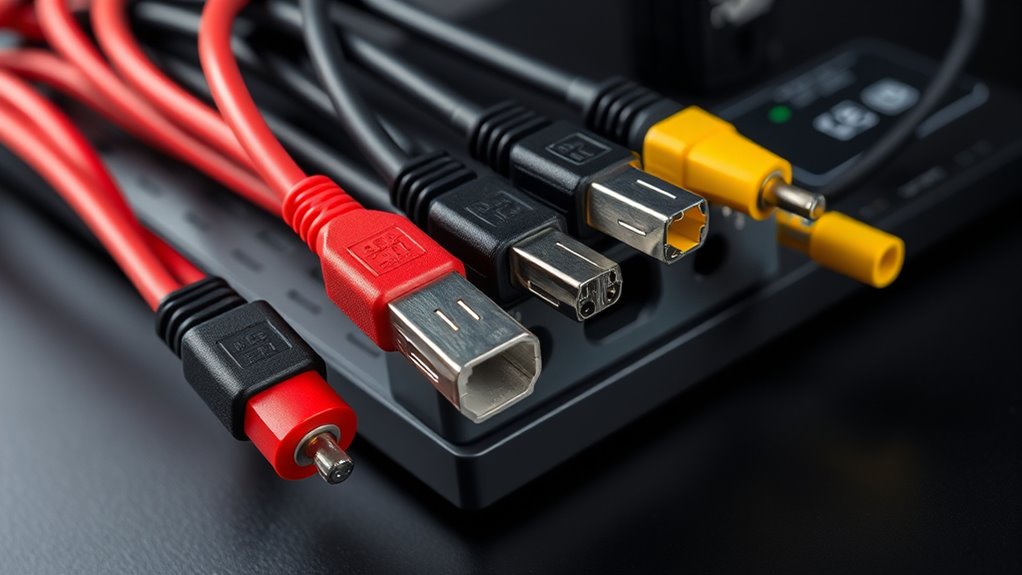
Choosing the right cables and connectors is essential to guarantee your power setup is safe, reliable, and efficient. When selecting cables, pay close attention to cable insulation. Good insulation isn’t just about preventing electrical shocks; it also protects your system from damage caused by heat, moisture, and accidental short circuits. Quality cable insulation ensures that the conductive core is shielded, reducing the risk of electrical faults and extending the lifespan of your cables. Opt for cables with insulation materials suitable for your environment—whether it’s high-temperature coatings for industrial settings or UV-resistant sheathing for outdoor use. Proper insulation also helps minimize energy loss, making your setup more efficient.
Choosing cables with proper insulation enhances safety, durability, and efficiency in your power system.
When it comes to connectors, durability is key. Connectors are the points where cables join, and their robustness determines the overall reliability of your power system. You want connectors that can withstand frequent plugging and unplugging without degrading or losing their grip. Look for connectors made from high-quality materials like metal alloys or reinforced plastics designed for longevity. A durable connector maintains a secure connection over time, preventing loose contacts that can cause power interruptions or sparks. Additionally, consider connectors with corrosion-resistant finishes, especially if your setup is exposed to harsh environments. This ensures that your connections stay stable and safe long-term.
Matching the right cable insulation with your specific application is crucial. If you’re working with high-voltage systems, thicker insulation with higher dielectric strength is necessary to prevent breakdowns. For low-voltage, indoor applications, lighter insulation might suffice, but don’t compromise on quality. Always double-check the specifications to ensure compatibility with your power demands. Likewise, selecting connectors that suit your cable type and environmental conditions guarantees a more dependable connection. For example, waterproof or weatherproof connectors are vital if your setup is outdoors, while quick-connect systems might be more suitable for temporary or modular installations.
Lastly, don’t neglect the importance of compatibility. The cable’s diameter and insulation thickness need to match the connector’s specifications. Mismatched components can lead to poor contact, increased resistance, and eventual failure. When in doubt, consult manufacturer guidelines or seek advice from specialists to make sure your cables and connectors are a perfect fit. This careful matching not only enhances safety but also optimizes performance, making your entire power setup more resilient and efficient. Ensuring proper cable insulation and connector compatibility is a fundamental step toward a safe and long-lasting electrical system.
As an affiliate, we earn on qualifying purchases.
Frequently Asked Questions
How Do I Identify the Correct Cable Gauge for High-Power Applications?
To identify the correct cable gauge for high-power applications, you need to contemplate wire gauge importance and high power cable standards. Check the current load your setup requires and select a thicker gauge, like 8 or 10 AWG, to handle the power safely. Always follow industry standards and manufacturer recommendations, ensuring the cable can support the voltage and current without overheating or voltage drops. Proper gauge selection keeps your system safe and efficient.
What Are the Safety Considerations When Upgrading Power Cables?
When upgrading power cables, you might assume safety is automatic, but grounding practices and insulation standards are vital. Always verify that new cables are properly grounded to prevent shocks and electrical fires. Make sure they meet insulation standards to handle your load safely. Avoid damaged or mismatched cables, and double-check connections. Following these safety considerations helps protect you and your equipment while guaranteeing reliable power delivery.
Can I Mix Different Types of Connectors in My Setup?
You should avoid mixing different types of connectors in your setup because connector compatibility is vital for safety and reliable power flow. Even if connectors seem similar, differences in size or design can cause connection issues. Pay attention to cable color coding, which indicates voltage or purpose, and make sure all connectors match those standards. Sticking with compatible connectors and consistent color coding helps prevent accidents and guarantees your setup functions properly.
How Do Environmental Factors Affect Cable and Connector Choices?
While environmental factors might seem straightforward, they deeply influence your cable choices. Moisture resistance becomes essential if your setup faces humidity or water exposure, preventing corrosion and failures. Thermal durability is critical in high-temperature settings, ensuring cables don’t melt or degrade. You need connectors that withstand these conditions, balancing flexibility and strength. Ignoring these factors risks damage, outages, or safety hazards, so always match your cables and connectors to environmental demands for optimal performance.
Are There Compatibility Issues Between Different Brands of Cables and Connectors?
You might face compatibility issues between different brands of cables and connectors because brand compatibility isn’t always guaranteed. Always check connector standards to make certain they match your devices and power supplies. Even if brands claim compatibility, discrepancies in connector design or quality can cause issues. To avoid problems, stick to reputable brands known for adhering to industry standards, and verify that your cables and connectors meet the appropriate specifications for your setup.
corrosion resistant electrical connectors
As an affiliate, we earn on qualifying purchases.
As an affiliate, we earn on qualifying purchases.
Conclusion
So, after all that, you might think choosing cables and connectors is simple. But hey, don’t be fooled—oversights can turn your perfect setup into a power nightmare. Ironically, the tiniest connector or flimsiest cable could be what causes your system to fail when you need it most. So, take the time to pick wisely—because a little extra effort now saves a lot of frustration later. After all, who knew power could be so tricky?
high voltage power cables with insulation
As an affiliate, we earn on qualifying purchases.
As an affiliate, we earn on qualifying purchases.
weatherproof waterproof connectors
As an affiliate, we earn on qualifying purchases.
As an affiliate, we earn on qualifying purchases.
Fall Picks
fall essentials
As an affiliate, we earn on qualifying purchases.