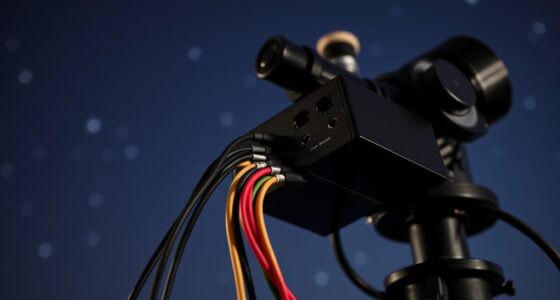
Integrated dew heaters in modern cameras and telescopes help you prevent condensation that can blur your images or impact focus. They work by maintaining surface temperatures above dew point, keeping optics clear even in cold or humid environments. These systems are energy-efficient and adapt automatically to environmental conditions, ensuring reliable performance during long exposures or astrophotography. To discover how these innovative solutions can improve your imaging experience, explore the details further.
Key Takeaways
- Integrated dew heaters prevent condensation on camera lenses and telescope optics, ensuring clear imaging in cold or humid environments.
- They automatically activate based on environmental sensors, maintaining optimal surface temperatures to avoid dew formation.
- Designed for energy efficiency, integrated dew heaters extend device battery life during long astrophotography sessions.
- They support precise autofocus by keeping optics free from fog, reducing manual adjustments and improving image quality.
- Expert consultation helps select suitable integrated dew heater solutions for specific camera and telescope models, ensuring reliable performance.
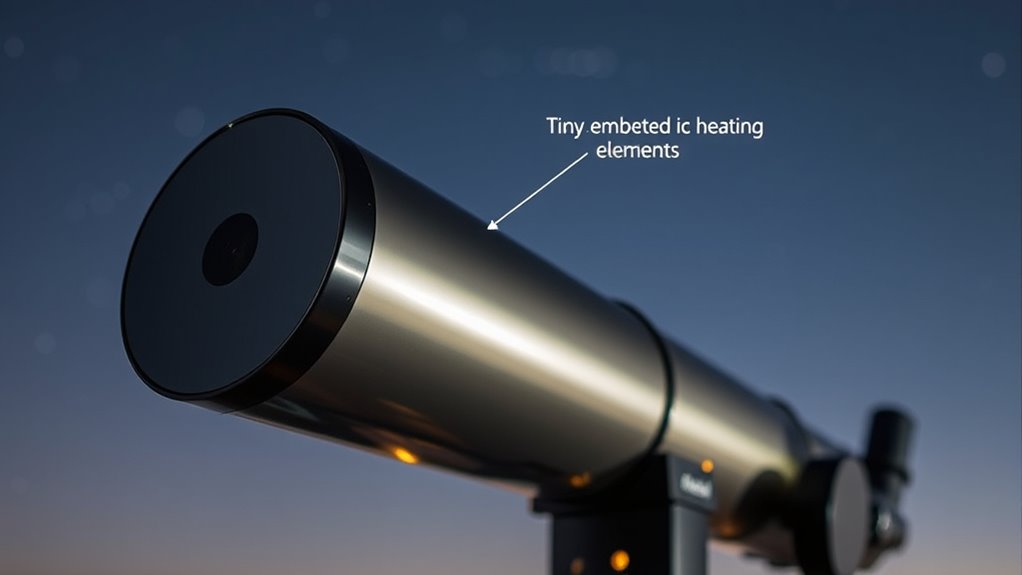
Modern cameras and telescopes increasingly incorporate integrated dew heaters to combat condensation that can impair image quality. When you’re working in cold or humid environments, dew can form on your equipment’s lens or sensor, blurring images and making precise focusing difficult. To prevent this, many advanced devices now feature built-in dew heaters that activate automatically when sensors detect a rise in humidity or a drop in temperature. These heaters help maintain a stable surface temperature, ensuring your optics stay clear and your images sharp.
One key component of this technology is thermal regulation. The integrated dew heaters work in tandem with thermal sensors to manage the temperature of the lens or mirror. This system continuously monitors environmental conditions, adjusting the heat output as needed. Instead of just turning on at full blast, the heaters provide just enough warmth to keep surfaces above the dew point, avoiding overheating or uneven heating that could distort images. This precise thermal regulation is essential for maintaining ideal focus and image clarity during long exposures or astrophotography sessions.
Integrated dew heaters use thermal sensors for precise temperature control, preventing condensation and maintaining optimal focus during astrophotography.
Auto focus technology also benefits from integrated dew heaters. When dew forms on the lens, it can throw off autofocus mechanisms, forcing you to manually readjust or risking out-of-focus shots. By keeping the optics free from condensation, dew heaters ensure autofocus systems function accurately and reliably. Some devices even incorporate intelligent auto focus algorithms that adapt to temperature changes, further enhancing image sharpness without your constant intervention. This seamless integration allows you to maintain focus effortlessly, especially during extended shoots where environmental conditions fluctuate.
Furthermore, these dew heaters are designed to be energy-efficient, so they don’t drain your battery prematurely. Many models include adjustable settings, enabling you to tailor the heat output based on real-time conditions. This not only prolongs battery life but also ensures your equipment isn’t subjected to unnecessary heat, which could cause thermal expansion and minor misalignments. The combination of smart thermal regulation and auto focus technology means you can focus on capturing stunning images without worrying about dew interfering with your equipment’s performance.
In addition, speaking with experts can provide valuable insights into optimizing dew prevention strategies and choosing the most suitable integrated heating solutions for specific equipment. The integration of dew heaters in modern cameras and telescopes streamlines your imaging process, providing consistent performance in challenging conditions. By actively managing surface temperatures and supporting precise autofocus, these systems help you achieve clear, detailed images every time. Whether you’re an amateur stargazer or a professional astrophotographer, this technology simplifies dew prevention, allowing you to concentrate on your creative vision without technical interruptions.

Sky Watcher Sky-Watcher Star Adventurer GTI Mount Kit with Counterweight, CW bar, Tripod, and Pier Extension - Full GoTo EQ Tracking Mount for Portable and Lightweight Astrophotography
- Mount Head: Star Adventurer GTi full GoTo mount
- Tripod and Pier: Includes tripod with pier extension
- Polar Scope: Built-in polar scope with illuminator
As an affiliate, we earn on qualifying purchases.
Frequently Asked Questions
How Do Integrated Dew Heaters Affect Camera or Telescope Durability?
Integrated dew heaters generally improve your camera or telescope’s durability by protecting sensitive components from moisture and condensation. They enhance material durability by preventing water damage, which can cause corrosion or short circuits. Proper thermal management ensures the heaters distribute heat evenly, reducing stress on parts. This prevents thermal shocks and prolongs device lifespan, making your equipment more reliable and easier to maintain during cold, damp conditions.
Can Dew Heaters Be Turned off Automatically Based on Weather Conditions?
Imagine your gear as a vigilant guardian, ready to defend itself. Yes, dew heaters can automatically shut off using weather sensors that monitor humidity and temperature. When conditions improve, these sensors activate the automatic shutoff feature, preventing unnecessary power use. This smart system guarantees your camera or telescope stays safe without you having to manually intervene, allowing you to focus on the stars instead of equipment maintenance.
Are There Any Safety Concerns With Integrated Dew Heaters Overextended Use?
Yes, overextended use of integrated dew heaters can pose safety concerns. You should guarantee proper electrical insulation to prevent shocks and avoid overheating risks. Continuous operation without proper regulation can cause components to overheat, potentially damaging your equipment or creating fire hazards. Always follow manufacturer guidelines, use temperature controls, and periodically inspect the insulation and heater performance to keep safe during extended use.
How Energy-Efficient Are Integrated Dew Heaters in Modern Devices?
Integrated dew heaters are generally quite energy-efficient, as they use targeted power consumption to prevent dew without wasting energy. You’ll find that their design optimizes energy efficiency by adjusting power levels based on environmental conditions, reducing unnecessary power use. This means you can rely on them to operate effectively without draining your device’s power supply, ensuring consistent performance while conserving energy during long observation or photography sessions.
Do Integrated Dew Heaters Impact the Overall Weight of Cameras or Telescopes?
Integrated dew heaters typically add less than 10% to a device’s weight, making them quite manageable. You’ll notice minor weight implications that don’t substantially affect portability or handling. When designing cameras or telescopes, engineers consider these factors to ensure the dew heaters don’t compromise overall balance or ease of use. So, while they do add some weight, it’s usually a small trade-off for the benefits of dew prevention.

Sky Watcher Star Adventurer GTI Mount Head Kit with Counterweight and CW bar - Full GoTo EQ Tracking Mount for Portable and Lightweight Astrophotography
- Full GoTo Mount Head: Star Adventurer GTi with GoTo functionality
- Counterweight Bar: Includes counterweight bar for stability
- Built-in WiFi: Integrated WiFi for remote control
As an affiliate, we earn on qualifying purchases.
Conclusion
With integrated dew heaters becoming a standard feature, you can enjoy clearer, more reliable images without constantly battling condensation. These innovations simplify your setup and keep your equipment operating smoothly, even in challenging conditions. Isn’t it exciting to think how much easier astrophotography and astrophysics will become with such seamless technology? Embrace these advancements and let your curiosity soar—after all, the stars are waiting, and now your gear is ready to capture them at their best.

iEXOS-100-2 PMC-Eight Equatorial Tracker System Tripod and Mount for Astrophotography with WiFi and Bluetooth Compatible
- Advanced Multi-CPU System: Eight independent CPUs for fast responsiveness
- Quiet Dual-Axis Gears: Clutched worm gears with precision stepper motors
- User-Friendly App: ExploreStars app for easy alignment and navigation
As an affiliate, we earn on qualifying purchases.
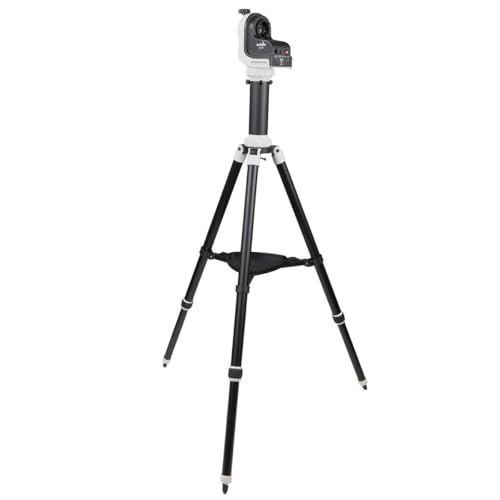
Sky-Watcher Sky-Watcher AZ-GTI – Portable Computerized GoTo Alt-Az Mount for On-The-Go Astronomy – WiFi Enabled App Controlled – Time-Lapse and Panorama Photography Capable (S21110)
- Lightweight Design: Weighs only 8.6 pounds for portability
- High Payload Capacity: Supports up to 11 pounds of equipment
- WiFi and App Control: Operable via smartphone or tablet
As an affiliate, we earn on qualifying purchases.