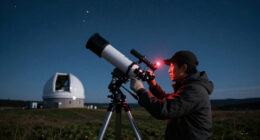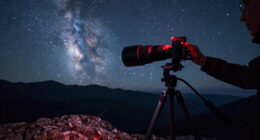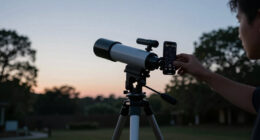

Finding the right binoculars for astrophotography can be a challenge, as it involves balancing magnification, aperture, and image quality. The best overall pick is the Celestron SkyMaster 25×70, offering excellent brightness and detail for deep-sky views. For those seeking a budget-friendly yet capable option, the Aurosports 20×80 High Powered Binoculars deliver impressive performance without breaking the bank. Meanwhile, serious enthusiasts might prefer the Celestron SkyMaster Pro 20×80 for its enhanced clarity and build quality. The main tradeoffs involve weight, field of view, and cost—higher magnification often means heavier and more fragile gear. Keep reading for a detailed breakdown of each model to help you choose the best fit for your stargazing needs.

Prime made for students and young adults
- Fast, free delivery for dorm and study essentials
- Prime Video and Amazon Music included
- Member-only deals
Key Takeaways
- Higher magnification models like 25×70 and 20×80 dominate the deep-sky view, but tend to be heavier and more delicate.
- Budget options such as Aurosports 20×80 offer solid performance for beginners or casual astronomers at a lower price point.
- Premium picks like Celestron SkyMaster Pro provide enhanced clarity and durability but come with a higher cost.
- Weight and stability are critical; models with a wider field of view are easier to use for extended viewing sessions.
- Magnification and aperture must be balanced to avoid excessive weight while maintaining bright, detailed images.
| Celestron UpClose G2 10×50 Porro Binoculars for Wildlife & Astronomy |  | Best Overall for Versatile Stargazing and Wildlife Observation | Magnification: 10x | Objective Lens Diameter: 50mm | Water Resistance: Yes | VIEW LATEST PRICE | See Our Full Breakdown |
| Celestron SkyMaster 25×70 Binoculars for Astronomy, Long-Range & Wildlife |  | Best for Long-Distance Astronomy with High Magnification | Magnification: 25x | Objective Lens Diameter: 70mm | Prism Type: BaK-4 | VIEW LATEST PRICE | See Our Full Breakdown |
| Celestron SkyMaster Pro 20×80 Astronomy Binoculars |  | Best for Bright, Long-Distance Stargazing and Land Observation | Magnification: 20x | Objective Lens Diameter: 80mm | Optics Coatings: Fully multi-coated | VIEW LATEST PRICE | See Our Full Breakdown |
| Aurosports 20×80 High Powered Binoculars for Adults |  | Best for Low-Light and Outdoor Versatility | Magnification: 20x | Objective Lens Diameter: 80mm | Optical Coatings: Fully multi-coated | VIEW LATEST PRICE | See Our Full Breakdown |
| 20×70 Binoculars for Adults – High Powered Bird Watching, Hunting, Travel |  | Best for Versatile Outdoor Use with High Magnification | Magnification: 20x | Objective Lens Diameter: 70mm | Prism Type: Roof Prism | VIEW LATEST PRICE | See Our Full Breakdown |
| Vortex Triumph HD 10×42 Binoculars |  | Best Overall for Versatile Outdoor Use | Magnification: 10x | Objective Lens Diameter: 42mm | Waterproof: Yes | VIEW LATEST PRICE | See Our Full Breakdown |
| Sogries 18×70 High Power Binoculars for Adults Professional Long Range |  | Best for Serious Astronomy and Long-Range Observation | Magnification: 18x | Objective Lens Diameter: 70mm | Prism Type: BAK4 Porro | VIEW LATEST PRICE | See Our Full Breakdown |
| Vortex Triumph HD 12×50 Binoculars |  | Best for Detailed Observation and Versatile Outdoor Activities | Objective Lens Diameter: 50mm | Magnification: 12x | Eye Relief: 16mm | VIEW LATEST PRICE | See Our Full Breakdown |
| Celestron Cometron 7x50mm Astronomy Binoculars |  | Best for Beginners and Wide Sky Views | Magnification: 7x | Objective Lens Diameter: 50mm | Field of View: 6.6° | VIEW LATEST PRICE | See Our Full Breakdown |
| Celestron SkyMaster 20×80 Binoculars for Deep-Sky Astronomy |  | Best for Serious Deep-Sky Astronomy | Magnification: 20x | Objective Lens Diameter: 80mm | Prism Type: BaK-4 | VIEW LATEST PRICE | See Our Full Breakdown |
| Celestron SkyMaster 25×100 Giant Astronomy Binoculars |  | Best for Deep Sky Observation with Power and Brightness | Objective Lens Diameter: 100mm | Magnification: 25x | Tripod Compatible: Yes | VIEW LATEST PRICE | See Our Full Breakdown |
| Celestron SkyMaster Pro ED 7×50 Binoculars for Wide Night-Sky Views |  | Best for Bright, Wide-Field Celestial Viewing | Magnification: 7x | Objective Lens Diameter: 50mm | Waterproof: Yes | VIEW LATEST PRICE | See Our Full Breakdown |
| 18×70 Professional Astronomy Binoculars for Adults |  | Best for High-Magnification Night Sky and Long-Distance Observation | Magnification: 18x | Objective Lens Diameter: 70mm | Prism Type: BAK-4 | VIEW LATEST PRICE | See Our Full Breakdown |
| Celestron SkyMaster 15×70 Astronomy Binoculars for Stargazing and Deep-Sky |  | Best for Versatile Deep-Sky and Terrestrial Observation | Magnification: 15x | Objective Lens Diameter: 70mm | Prism Type: BaK-4 | VIEW LATEST PRICE | See Our Full Breakdown |
| 20×80 Astronomy Binoculars for Adults |  | Best for Maximum Magnification and Deep-Sky Detail | Magnification: 20x | Objective Lens Diameter: 80mm | Prism Type: Bak-4 | VIEW LATEST PRICE | See Our Full Breakdown |
| astrophotography binocular | Magnification | Objective Lens Diameter | Prism Type |
|---|---|---|---|
| Celestron UpClose G2 10×50 Por | 10x | 50mm | Porro |
| Celestron SkyMaster 25×70 Bino | 25x | 70mm | BaK-4 |
| Celestron SkyMaster Pro 20×80 | 20x | 80mm | — |
| Aurosports 20×80 High Powered | 20x | 80mm | — |
| 20×70 Binoculars for Adults | 20x | 70mm | Roof Prism |
| Vortex Triumph HD 10×42 Binocu | 10x | 42mm | — |
| Sogries 18×70 High Power Binoc | 18x | 70mm | BAK4 Porro |
| Vortex Triumph HD 12×50 Binocu | 12x | 50mm | Roof Prism |
| Celestron Cometron 7x50mm Astr | 7x | 50mm | — |
| Celestron SkyMaster 20×80 Bino | 20x | 80mm | BaK-4 |
| Celestron SkyMaster 25×100 Gia | 25x | 100mm | BaK-4 |
| Celestron SkyMaster Pro ED 7×5 | 7x | 50mm | — |
| 18×70 Professional Astronomy B | 18x | 70mm | BAK-4 |
| Celestron SkyMaster 15×70 Astr | 15x | 70mm | BaK-4 |
| 20×80 Astronomy Binoculars for | 20x | 80mm | Bak-4 |
More Details on Our Top Picks
Celestron UpClose G2 10×50 Porro Binoculars for Wildlife & Astronomy
This model stands out for offering a solid balance between image quality and durability, making it suitable for both beginner astronomers and outdoor enthusiasts. The 10×50 configuration provides bright, sharp images with high contrast, comparable to the more specialized Celestron SkyMaster 25×70, but at a more manageable size. While the bulkier design means less portability, it compensates with a rugged, water-resistant build and comprehensive accessories, including a carrying case and lens cloth. The limited lifetime warranty adds confidence for outdoor use. However, the size may be cumbersome for frequent hikes, and some users might need to familiarize themselves with handling the wider body effectively. Overall, this pick is ideal for those who want reliable, versatile optics without sacrificing image clarity or durability.
Pros:- Bright, sharp images with high contrast
- Water-resistant and durable construction
- Includes comprehensive accessories
- Backed by a lifetime warranty
Cons:- Bulkier size reduces portability
- Requires some familiarity to handle effectively
Best for: Beginner to intermediate outdoor enthusiasts seeking a durable, all-around binocular for both astronomy and wildlife viewing
Not ideal for: Hikers or travelers prioritizing ultra-lightweight gear or compact form factors, due to its bulkiness
- Magnification:10x
- Objective Lens Diameter:50mm
- Water Resistance:Yes
- Prism Type:Porro
- Coatings:Multi-coated BK-7
- Body Material:Rubber-covered aluminum
Our verdict“This binocular offers a versatile, durable option for users who want reliable performance in various outdoor conditions without the need for extreme compactness.”
Celestron SkyMaster 25×70 Binoculars for Astronomy, Long-Range & Wildlife
Compared with the Celestron UpClose G2 10×50, the SkyMaster 25×70 provides significantly higher magnification, making it a top choice for serious stargazing and distant wildlife observation. The larger 70mm objective lenses gather more light, resulting in brighter images in low-light conditions, which is essential for deep-sky astronomy. The binoculars are water-resistant and tripod-compatible, but their weight and size mean they are less suitable for handheld use over extended periods; a tripod is almost a necessity. This model is better suited for dedicated astronomers or wildlife observers who don’t mind carrying heavier gear and setting up a stable mount. It’s less ideal for casual hikers or those seeking lightweight, portable optics. Its tradeoff of bulk for performance makes it perfect for serious long-range viewing.
Pros:- High magnification suitable for astronomy and wildlife viewing
- Brighter images in low-light conditions
- Water-resistant with durable rubber armor
- Tripod-compatible for stable viewing
Cons:- Heavy and bulky for handheld use
- Requires a tripod for steady viewing
Best for: Experienced astronomers or wildlife watchers needing high magnification and light-gathering ability for long-distance observation
Not ideal for: Casual hikers or travelers who prioritize portability and ease of handling over maximum zoom capabilities
- Magnification:25x
- Objective Lens Diameter:70mm
- Prism Type:BaK-4
- Water-Resistant:Yes
- Tripod Compatible:Yes
- Warranty:Limited Lifetime US Warranty
Our verdict“This binocular excels for dedicated long-range viewing, provided you are prepared to carry and mount heavier equipment.”
Celestron SkyMaster Pro 20×80 Astronomy Binoculars
The SkyMaster Pro 20×80 stands out for its exceptionally large 80mm lenses, delivering bright, detailed images even in the darkest skies, outperforming smaller models like the Aurosports 20×80 in low-light conditions. Its fully multi-coated optics and BaK-4 prisms ensure sharpness and contrast, while the waterproof and fog-proof design make it suitable for harsh weather. The included reflex sight rail simplifies target acquisition for long-range astronomical and land-based viewing. However, the heavy weight and bulk—more than 3 pounds—make extended handheld use tiring, requiring a sturdy tripod. The high magnification also demands stability, limiting its portability for hiking or casual outings. It’s a prime choice for dedicated stargazers who prioritize maximum brightness and clarity over portability.
Pros:- Bright, sharp images with multi-coated optics
- Large objective lenses for maximum light gathering
- Waterproof and fog-proof durability
- Includes reflex sight rail for easy aiming
Cons:- Heavy and bulky for handheld use
- Tripod required for stable viewing
Best for: Advanced amateur astronomers or land observers seeking maximum brightness and detailed images in low-light conditions
Not ideal for: Hikers or travelers needing lightweight, compact binoculars for quick, casual use
- Magnification:20x
- Objective Lens Diameter:80mm
- Optics Coatings:Fully multi-coated
- Prisms:BaK-4
- Waterproof:Yes
- Fog-proof:Yes
- Includes:Reflex sight rail
Our verdict“This binocular is perfect for dedicated stargazers and land observers who prioritize brightness and image quality over portability.”
Aurosports 20×80 High Powered Binoculars for Adults
Compared to the Celestron SkyMaster Pro 20×80, the Aurosports 20×80 offers similar high light transmission with over 95%, making it a versatile choice for various outdoor activities. Its fully multi-coated optics and BAK4 prisms provide bright, clear images, especially in low-light scenarios like dawn or dusk. The shock-absorbent rubber armor enhances durability, and the tripod compatibility allows for extended viewing sessions. While it isn’t as feature-rich as the SkyMaster Pro, its lighter weight and slightly more affordable price point may appeal to outdoor enthusiasts who want reliable performance without the bulk of premium models. It’s less suitable for very long astronomical sessions or extreme low-light conditions, but it strikes a good balance for outdoor versatility.
Pros:- High optical quality with excellent light transmission
- Large 80mm lenses for low-light performance
- Shock-absorbent rubber armor for durability
- Tripod compatible for extended viewing
Cons:- Heavy weight may require a tripod for extended use
- Less feature-rich than premium models
Best for: Outdoor lovers seeking a durable, high-performance binocular for both astronomy and general outdoor use
Not ideal for: Serious astronomers or long-duration stargazers who need maximum brightness and stability
- Magnification:20x
- Objective Lens Diameter:80mm
- Optical Coatings:Fully multi-coated
- Prisms:BAK4
- Light Transmission:Over 95%
- Features:Shock-absorbent rubber armor, tripod compatible
Our verdict“This binocular offers reliable, bright images for outdoor adventures and moderate astronomy without the heft of high-end gear.”
20×70 Binoculars for Adults – High Powered Bird Watching, Hunting, Travel
Compared with the Aurosports 20×80, these 20×70 binoculars provide a slightly more portable option without sacrificing too much image quality. Their 70mm lenses gather plenty of light for bright images in most conditions, making them suitable for bird watching, hunting, and travel. The roof prism design allows for a more compact form, though they still weigh over 2.8 pounds, which can be tiring for extended hikes. The manual focus system offers precise control, but it may require frequent adjustments for different distances. While they are not waterproof, their impact-resistant rubber coating enhances durability in outdoor environments. These binoculars are well-suited for outdoor lovers who want a balance of performance and portability, but they aren’t ideal for very low-light conditions or extended astronomical sessions.
Pros:- High magnification with clear, detailed images
- Large 70mm objective lens for good low-light performance
- Impact-resistant rubber coating for durability
- Relatively compact for its class
Cons:- Heavy for extended hikes
- Not water-resistant
Best for: Bird watchers, hunters, and travelers needing high magnification in a relatively portable package
Not ideal for: Serious astronomers or users in wet conditions, since they lack waterproofing
- Magnification:20x
- Objective Lens Diameter:70mm
- Prism Type:Roof Prism
- Exit-Pupil Diameter:3.5mm
- Focus Type:Manual
- Weight:1.19 kg
Our verdict“This binocular offers a strong balance of high magnification and portability for outdoor enthusiasts who prioritize versatility over extreme low-light performance.”
Vortex Triumph HD 10×42 Binoculars
The Vortex Triumph HD 10×42 binoculars stand out for their combination of high-quality HD optics and rugged durability, making them ideal for outdoor activities like hunting, hiking, and stargazing. Compared with the Celestron Cometron 7×50, they offer higher magnification and a more compact form factor suited to versatile outdoor use. Their fully waterproof, fog proof, and shockproof design ensures reliable performance across diverse conditions, while their ergonomic adjustable eyecups and diopter contribute to comfort during extended viewing. The main tradeoff involves their weight, which isn’t specified but may be heavier than smaller models, potentially tiring users during prolonged use. This pick makes the most sense for outdoor enthusiasts who want a reliable, all-around binocular for both daytime and nighttime adventures.
Pros:- High-quality HD optical system with multicoated lenses for sharp, bright images
- Durable, waterproof, fog proof, and shockproof construction
- Ergonomic with adjustable eyecups and diopter for comfortable viewing
Cons:- Weight not specified; may be heavier than compact models
- Limited details on maximum eye relief, which could affect users with glasses
Best for: Hikers, hunters, and outdoor explorers seeking durable, versatile binoculars for varied conditions
Not ideal for: Travelers or casual stargazers who prefer lightweight, compact options for occasional use
- Magnification:10x
- Objective Lens Diameter:42mm
- Waterproof:Yes
- Fog proof:Yes
- Shockproof:Yes
- Tripod adaptable:Yes
- Eyecup type:Adjustable rubber
- Diopter adjustment:Yes
Our verdict“This binocular is best suited for outdoor enthusiasts needing rugged, all-weather performance with good optical quality.”
Sogries 18×70 High Power Binoculars for Adults Professional Long Range
The Sogries 18×70 binoculars deliver exceptional brightness and detail, making them a top option for astronomy and long-distance wildlife viewing. Compared with the Celestron SkyMaster 20×80, they offer slightly lower magnification but are more manageable in size, though still quite bulky. Their fully multi-coated optics and aircraft-grade aluminum build ensure durability and high image quality, especially in low-light conditions typical of stargazing sessions. Long eye relief and tripod compatibility make them suitable for extended viewing, but their significant size and weight make handheld use impractical—tripod use becomes essential. This choice is best for dedicated amateurs or professionals who prioritize image clarity and long-range capability over portability.
Pros:- High magnification (18x) with bright, clear images
- Durable aircraft-grade aluminum construction
- Long eye relief and tripod compatibility for comfortable extended viewing
Cons:- Heavy and bulky, less practical for extended handheld use
- Tripod adapter sold separately adds to overall cost
Best for: Amateur astronomers or wildlife observers requiring high magnification and stable, detailed views
Not ideal for: Casual users or travelers needing lightweight, portable binoculars for occasional use
- Magnification:18x
- Objective Lens Diameter:70mm
- Prism Type:BAK4 Porro
- Lens Coating:Fully Multi-Coated
- Build Material:Aircraft-grade aluminum
- Eye Relief:Long
- Tripod Mountable:Yes
Our verdict“This binocular is tailored for serious users who need high magnification and stability for astronomy or wildlife observation.”
Vortex Triumph HD 12×50 Binoculars
The Vortex Triumph HD 12×50 binoculars combine high magnification with large objective lenses, making them suitable for birding, hunting, and astronomy. Their HD optical system and fully multi-coated lenses give sharp, vibrant images with excellent edge-to-edge clarity, setting them apart from smaller or lower-spec models like the Celestron Cometron 7×50. The 50mm lenses gather ample light for low-light conditions, though their size and weight make them less portable for quick outings. The rubber armor and waterproof design ensure durability in outdoor environments, while the included harness facilitates carrying. The main tradeoff is the size, which may deter casual users seeking lightweight options. This model is meant for outdoor lovers who want high-quality optics and ruggedness for extended activities.
Pros:- Exceptional HD optical system for sharp, vibrant images
- Waterproof, fog proof, and shockproof for outdoor durability
- Tripod adaptable with comfortable rubber eyecups
Cons:- Size and weight may be cumbersome for quick, casual outings
- Limited color options and slightly higher price point
Best for: Bird watchers, hunters, or outdoor enthusiasts needing high-quality, durable binoculars for active use
Not ideal for: Casual users or travelers who prefer compact, lightweight binoculars for brief viewing sessions
- Objective Lens Diameter:50mm
- Magnification:12x
- Eye Relief:16mm
- Prism Type:Roof Prism
- Exit Pupil Diameter:4.17mm
- Water Resistance:Waterproof
- Focus Type:Center
- Mount Type:Tripod
Our verdict“Ideal for serious outdoor observers seeking rugged, high-performance binoculars for extended use.”
Celestron Cometron 7x50mm Astronomy Binoculars
The Celestron Cometron 7×50 binoculars are designed with entry-level astronomy and outdoor viewing in mind. Their 7x magnification combined with large 50mm lenses provides bright, wide views of the night sky, making them accessible for newcomers. Compared with higher magnification models like the Celestron SkyMaster 20×80, they are easier to hold steady and less demanding in terms of tripod use, though they still benefit from it. The multi-coated optics improve image brightness and clarity, and their wide field of view enhances sky exploration. Their bulkiness might be a drawback for portability, but for dedicated stargazing sessions, they offer a straightforward experience. These binoculars are perfect for beginners wanting to explore stars without complex setups.
Pros:- Easy to handle with wide field of view
- Bright, detailed images with multi-coated optics
- Tripod mountable for stable viewing
Cons:- Tripod adapter not included, adding extra cost
- Bulky size may reduce portability
Best for: Beginner astronomers or outdoor enthusiasts seeking easy-to-use, wide-field binoculars
Not ideal for: Advanced astronomers or users requiring high magnification for detailed sky objects
- Magnification:7x
- Objective Lens Diameter:50mm
- Field of View:6.6°
- Close Focus:26.2 feet
- Tripod Mount:Yes
Our verdict“A practical choice for beginners looking to enjoy wide, bright views of the night sky without complicated features.”
Celestron SkyMaster 20×80 Binoculars for Deep-Sky Astronomy
The Celestron SkyMaster 20×80 binoculars are designed for dedicated astronomers who want to observe faint deep-sky objects. Their high 20x magnification paired with large 80mm lenses offers bright, sharp images, especially when mounted on a tripod, which is essential given their size and weight. Compared to smaller models like the Vortex Triumph HD 10×42, they sacrifice portability for increased light-gathering ability and detail. Their BaK-4 prisms and water-resistant housing ensure durability and clarity in various conditions. The main drawback is their bulk and cost, which could be prohibitive for casual stargazers. These binoculars are best suited for those committed to serious night sky exploration and willing to handle the size and weight.
Pros:- High 20x magnification for detailed deep-sky viewing
- Bright, sharp images with BaK-4 prisms
- Water-resistant and durable construction
Cons:- Large and heavy, requiring tripod for stability
- Price point may be high for casual users
Best for: Deep-sky astrophotographers and astronomers wanting maximum light gathering and detail
Not ideal for: Casual stargazers or travelers needing lightweight, portable options
- Magnification:20x
- Objective Lens Diameter:80mm
- Prism Type:BaK-4
- Water-Resistant:Yes
- Tripod Mount:Yes
Our verdict“Perfect for serious astronomers seeking high magnification and deep-sky clarity, provided they can handle the size.”
Celestron SkyMaster 25×100 Giant Astronomy Binoculars
This model stands out for its exceptional magnification of 25x combined with large 100mm objectives, making it ideal for detailed deep sky viewing, especially compared to smaller aperture options like the Celestron SkyMaster 15×70. Its bright, sharp images result from the sizeable lenses and BaK-4 prisms, but this power comes with significant weight and bulk, requiring a sturdy tripod for extended sessions. Unlike typical handheld binoculars, this choice is designed for serious astronomers willing to carry extra gear. The water-resistant build adds durability for outdoor use, yet the size and weight limit portability for casual stargazers. Overall, if you’re seeking high-magnification, long-term deep sky observation and don’t mind the heft, this binocular excels.
Pros:- Powerful 25x magnification reveals fine details of celestial objects
- Large 100mm objectives ensure bright, clear images in low light
- Water-resistant and rugged for outdoor use
- Tripod compatibility provides stable viewing
Cons:- Very large and heavy, making handheld use impractical
- Requires a tripod for extended observation sessions
- Difficult to handle without additional support
Best for: Astronomy enthusiasts who prioritize high power and image brightness for deep sky objects, and have space for tripod setup.
Not ideal for: Casual stargazers or travelers needing lightweight, portable options, as these binoculars are heavy and require tripod support.
- Objective Lens Diameter:100mm
- Magnification:25x
- Tripod Compatible:Yes
- Prism Type:BaK-4
- Water-Resistant:Yes
- Warranty:Limited Lifetime US Warranty
Our verdict“Ideal for dedicated astronomers seeking maximum detail at the expense of portability.”
Celestron SkyMaster Pro ED 7×50 Binoculars for Wide Night-Sky Views
Compared to the high-power options like the 18×70 Professional Astronomy Binoculars, the 7×50 SkyMaster Pro ED offers a lower magnification that provides a wider field of view, making it excellent for star clusters and large deep-sky objects. Its ED glass and XLT multi-coatings deliver sharp, true-to-life images, essential for appreciating faint celestial features. While the weight is manageable for most users, it may still be tiring for prolonged handheld use, especially when compared with lighter models. Its waterproof and fog-proof design ensures reliable outdoor performance, but the price is higher than basic models, reflecting its premium optics. This binocular makes sense for users who want bright, detailed views of the night sky with minimal shake, but it isn’t suited for terrestrial viewing at higher magnifications.
Pros:- ED glass provides sharp, color-accurate images
- Wide 50mm objectives gather ample light for deep-sky objects
- Waterproof and fog-proof for all-weather use
- Includes comprehensive accessories and warranty
Cons:- Relatively heavy for extended handheld use
- Lower magnification limits terrestrial detail observation
- Higher price point compared to standard 7x50s
Best for: Amateur astronomers seeking wide-field, high-quality celestial views with excellent light transmission.
Not ideal for: Casual outdoor observers or terrestrial users who prefer higher magnification or lighter gear, as it’s primarily designed for night sky observing.
- Magnification:7x
- Objective Lens Diameter:50mm
- Waterproof:Yes
- Fog-proof:Yes
- Coatings:XLT multi-coatings
- Includes:Neck strap, eyepiece and lens covers, rainguard, lens cloth, padded case
Our verdict“Best suited for those wanting crisp, wide views of the night sky without the need for high magnification.”
18×70 Professional Astronomy Binoculars for Adults
Compared to smaller aperture binoculars like the SkyMaster 15×70, these 18x70s deliver superior detail for experienced users willing to handle their weight and setup needs. Their high magnification and large 70mm lenses excel in low-light conditions, revealing fine lunar surface features or distant terrestrial targets, but this comes with increased sensitivity to hand shake. They are fully waterproof and fog-proof, making them suitable for outdoor excursions, yet their bulk and weight demand a sturdy tripod for prolonged viewing. The included smartphone adapter adds versatility for digiscoping. This pick is better suited for dedicated observation rather than casual use due to its size, cost, and handling complexity.
Pros:- High magnification reveals intricate celestial and terrestrial details
- Large 70mm objectives excel in low-light conditions
- Waterproof and fogproof for outdoor durability
- Tripod-ready for stable, shake-free viewing
Cons:- Heavy and bulky, difficult for handheld use over long periods
- Magnification can be sensitive to hand shake without tripod
- Premium price limits accessibility for casual users
Best for: Serious amateur astronomers or long-distance terrestrial observers who want detailed, low-light performance and are prepared for the heft.
Not ideal for: Casual observers or travelers seeking lightweight, easy-to-carry binoculars, as these are heavy and best used with a tripod.
- Magnification:18x
- Objective Lens Diameter:70mm
- Prism Type:BAK-4
- Lens Coating:Fully Multi-Coated (FMC)
- Waterproof:IPX7
- Accessories:Smartphone adapter, carrying case, lens covers
Our verdict“Designed for dedicated observers who prioritize detailed, high-magnification views with stable support.”
Celestron SkyMaster 15×70 Astronomy Binoculars for Stargazing and Deep-Sky
Compared with more specialized high-power binoculars like the 20×80 Astronomy Binoculars, the 15×70 SkyMaster strikes a balance between magnification and ease of use, providing bright, detailed views in low-light conditions. Its 70mm lenses gather ample light for deep-sky objects, and the BaK-4 prisms ensure sharp images. While the weight is substantial, it remains manageable with tripod support, unlike smaller, handheld models. Its water-resistant design makes it suitable for outdoor use, and the mounting compatibility extends its versatility. This binocular is ideal for those who want good detail without the bulk and complexity of higher magnification models, though it still requires tripod support for extended sessions.
Pros:- High magnification with large 70mm lenses for bright images
- BaK-4 prisms provide sharp, detailed views
- Water-resistant and durable for outdoor use
- Tripod mountable for steady observations
Cons:- Heavy and large, not ideal for extended handheld use
- Requires tripod for prolonged viewing
- Less portable for casual travel
Best for: Amateur astronomers seeking a versatile, high-light-gathering binocular for both star and terrestrial viewing, with manageable size.
Not ideal for: Travelers or casual users who prefer lightweight, compact binoculars, as these are large and heavy for portability.
- Magnification:15x
- Objective Lens Diameter:70mm
- Prism Type:BaK-4
- Tripod Mount:Yes
- Water-Resistant:Yes
- Warranty:Limited Lifetime US Warranty
Our verdict“Excellent for dedicated deep-sky viewing and terrestrial observation where stability and brightness matter.”
20×80 Astronomy Binoculars for Adults
Compared to the 15x70s like the SkyMaster 15×70, these 20×80 binoculars push toward higher magnification, offering more detailed views of lunar features, star clusters, and faint galaxies. The larger 80mm objectives ensure bright, crisp images in low-light conditions, but this comes with increased weight—over 4.6 pounds—making hand-holding impractical for long periods. They are fully waterproof and come with a tripod mount, similar to the 18×70 Professional model, but with even more emphasis on high-magnification celestial observation. The tradeoff lies in portability and ease of use, making this a choice primarily for those with stable support options and serious viewing intentions.
Pros:- Very high magnification reveals fine lunar and deep-sky details
- Large 80mm objectives deliver bright images even in low-light
- Waterproof and shock-resistant for outdoor adventures
- Tripod mount allows steady, shake-free viewing
Cons:- Heavy, making prolonged handheld use difficult
- Bulky design reduces portability
- Higher cost reflects its specialized performance
Best for: Experienced astronomers and astrophotographers who want maximum detail and are comfortable with heavier, tripod-dependent gear.
Not ideal for: Casual observers or travelers seeking lightweight, easy-to-carry binoculars, as these are bulky and best used with support.
- Magnification:20x
- Objective Lens Diameter:80mm
- Prism Type:Bak-4
- Waterproof:Yes
Our verdict“Best for those who need maximum detail and have the stability support to handle their weight effectively.”

How We Picked
These binoculars were selected based on a combination of performance, build quality, usability, and value. Priority was given to models that excel in low-light conditions, essential for astrophotography, and those that offer a compelling balance between magnification and ease of handling. We also considered user reviews and expert opinions to identify reliable brands and models. The ranking reflects how well each pair performs in real-world stargazing scenarios, factoring in portability, durability, and price to help a wide range of enthusiasts find their ideal match.Factors to Consider When Choosing Astrophotography Binoculars
Choosing the right astrophotography binoculars involves understanding several key factors that influence your viewing experience. Beyond just zoom and size, considerations like weight, field of view, and optical quality significantly impact how enjoyable and effective your stargazing sessions will be. Making informed decisions can help you avoid common pitfalls, such as buying too heavy a pair or sacrificing image brightness for higher magnification. Here are the main factors to keep in mind:Magnification and Aperture Balance
Higher magnification reveals more detail but often results in a narrower field of view and increased shakiness. For astrophotography, a balance between magnification and aperture (the lens diameter) is essential. Larger apertures gather more light, producing brighter images of faint celestial objects, but also add weight and cost. A typical good range for astrophotography binoculars is between 20x and 25x magnification with an aperture of 70-100mm, offering a practical compromise for most users.
Weight and Portability
Many high-magnification models tend to be heavy, which can make prolonged viewing uncomfortable and require sturdy mounts or tripods. If you plan on moving around or travelling with your binoculars, lighter models like 10×50 or 15×70 might be more manageable, though they may offer less detailed views. Consider how you’ll support the weight—tripods or harnesses can help stabilize heavier units and improve image quality.
Optical Quality and Build
Quality lenses and coatings are vital for minimizing distortion and maximizing light transmission. Fully multi-coated lenses are standard on good models and significantly improve image brightness and contrast. Durability also matters; waterproof, fog-proof bodies protect your investment in challenging weather conditions, ensuring consistent performance over time.
Field of View and Eye Relief
A wider field of view makes locating and tracking celestial objects easier, especially for larger or fast-moving objects like comets or satellites. Eye relief, or the distance from the eyepiece to your eye while still seeing the full image, is important for comfort, especially if you wear glasses. Balancing these factors helps prevent eye strain and makes prolonged sessions more enjoyable.
Cost and Value
While premium models offer superior optics and durability, they come at a higher price. Budget models can perform admirably but often lack advanced coatings and may be less durable. Consider your frequency of use and specific goals—investing more in a quality pair can pay off for serious enthusiasts, whereas casual stargazers might prioritize affordability without sacrificing too much performance.
Frequently Asked Questions
Can I use regular binoculars for astrophotography?
Using standard binoculars for astrophotography is possible but not ideal. Most regular binoculars lack the specialized coatings, stability, and magnification required for detailed celestial imaging. They are better suited for casual stargazing or terrestrial viewing. For serious astrophotography, models specifically designed with high light-gathering capacity and tripod compatibility provide significantly better results.
Is a tripod necessary for astrophotography binoculars?
Most high-magnification binoculars benefit from a tripod to stabilize the view and reduce shakiness, especially during extended sessions. Without stabilization, even small hand movements can blur the image, making it difficult to observe faint objects clearly. Investing in a sturdy tripod or mount can dramatically improve your viewing experience and help you capture sharper images if you’re into astrophotography.
What size binoculars are best for deep-sky viewing?
Binoculars with larger apertures, such as 70mm or 80mm, are generally preferred for deep-sky viewing because they gather more light, revealing fainter objects like nebulae, galaxies, and star clusters. Models like 20×80 or 25×100 are popular choices for serious astronomers. However, larger sizes tend to be heavier and require more substantial support, so consider portability along with your observational goals.
How much should I spend on astrophotography binoculars?
The price can vary widely based on quality and features. Budget options around $100-$200 can serve beginners well, providing decent light-gathering capabilities. For more serious stargazing and astrophotography, investing $300-$700 can significantly improve optical clarity, durability, and ease of use. Remember, the most expensive isn’t always the best for your specific needs; focus on the balance between performance and value.
Are waterproof binoculars necessary for astronomy?
While not strictly necessary, waterproof and fog-proof models are highly recommended, especially if you plan to use your binoculars outdoors in varying weather conditions. These features prevent moisture and condensation from damaging optical components and ensure consistent performance over time. For regular stargazing sessions in unpredictable weather, waterproof units are a wise investment.
Conclusion
For casual stargazers and beginners, a model like the Aurosports 20×80 offers excellent value with solid light-gathering power. Serious enthusiasts aiming for detailed deep-sky observations should consider the Celestron SkyMaster 25×70 or 20×80 models, which deliver brighter images and greater detail. Those prioritizing premium build quality and optical clarity might prefer the Celestron SkyMaster Pro 20×80 or similar high-end options. Overall, your choice should align with your experience level, budget, and how much weight you’re willing to carry—each category has a clear standout to match your specific needs.
As an affiliate, we earn on qualifying purchases.Halloween Picks
halloween