
Dew heaters are essential for long imaging sessions because they keep your telescope optics clear and free of dew or frost. Without them, moisture can form on your lenses, blurring your images and forcing you to stop early. By gently warming your equipment, dew heaters help maintain sharp, high-quality captures and protect your gear from moisture-related damage. Keep going, because understanding how these systems work can make your imaging sessions even more successful.
Key Takeaways
- Dew heaters prevent lens and mirror fogging, ensuring clear optics during extended imaging sessions.
- They help maintain stable temperatures, reducing thermal currents that can degrade image quality.
- Automated systems adjust heat in real-time, minimizing manual intervention and optimizing dew prevention.
- Dew heaters protect equipment from moisture-related damage, extending its lifespan and reducing maintenance costs.
- Using dew heaters allows for longer, uninterrupted imaging sessions in humid or damp conditions.
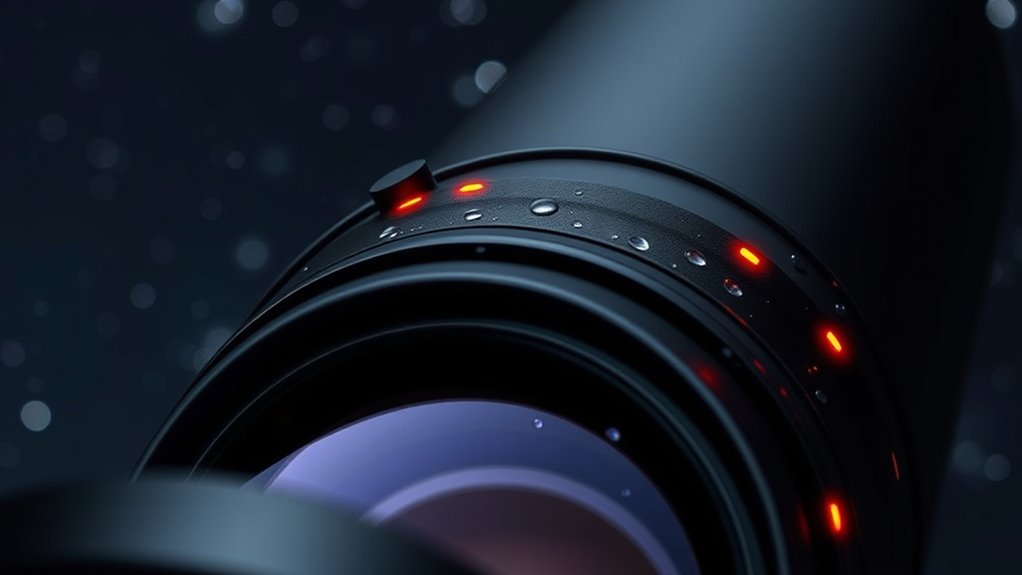
When you’re capturing astrophotography images, dew can quickly ruin your session by fogging up your lenses and mirrors. This moisture buildup not only blurs your images but also risks damaging your equipment over time. That’s why dew heaters are essential tools for long imaging sessions. They help maintain clear optics, ensuring your images stay sharp and your equipment remains in top condition. Proper telescope maintenance isn’t just about cleaning your gear—it also involves protecting it from environmental factors like dew, which can accelerate wear and tear. By using dew heaters, you safeguard your investment, extending your equipment’s durability and preventing costly repairs or replacements caused by moisture damage. Additionally, integrating AI-driven safety measures can enhance the effectiveness of dew heating systems by adjusting temperature settings based on environmental conditions, further protecting your gear.
Dew heaters protect your telescope and extend its lifespan during long astrophotography sessions.
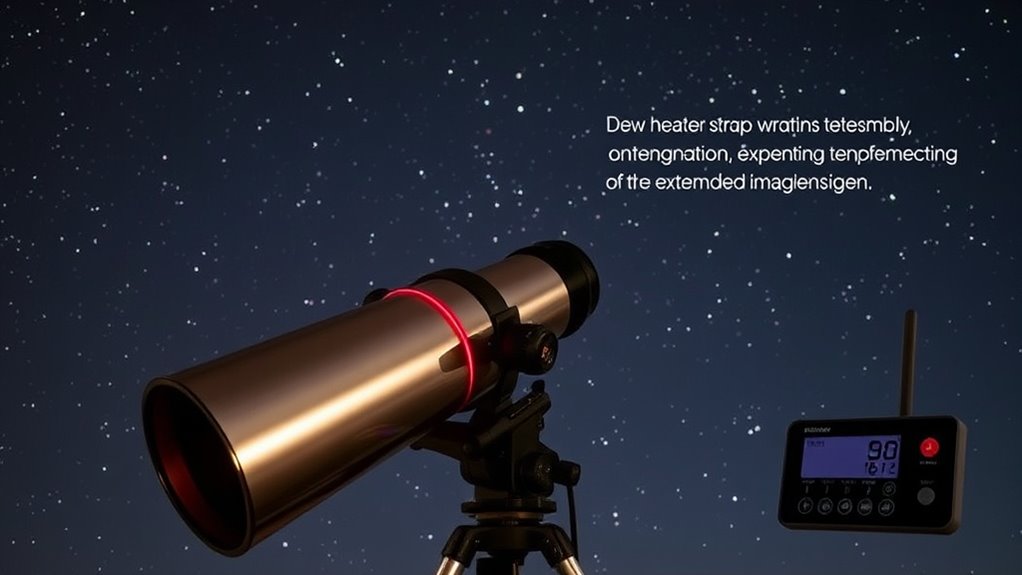
Dew heaters work by gently warming the surfaces of your telescope optics and accessories, preventing dew from forming. They don’t generate excessive heat; instead, they create just enough warmth to keep moisture at bay without risking thermal currents that could disrupt your viewing. This controlled heating preserves the integrity of your optics and prevents sudden temperature shifts that can cause mechanical stress or misalignment. When your optics stay dry, you avoid the need for frequent cleaning and realignment—tasks that can wear down your equipment over time.
Installing dew heaters is straightforward, and many systems are designed to be compatible with various telescope models. You can choose from simple strap-on heaters or more sophisticated systems with automatic temperature regulation. Automated dew heaters are especially beneficial because they adjust output based on ambient conditions, maintaining *ideal* performance without constant manual intervention. This means you can focus on capturing stunning images rather than fiddling with equipment settings, making your long nights under the stars more productive and enjoyable.
In addition to protecting your optics, dew heaters help preserve the overall durability of your equipment. Consistent exposure to moisture can cause corrosion, mold, and other forms of deterioration, shortening the lifespan of your gear. By preventing dew formation, you minimize these risks and ensure your telescope remains reliable over many observing seasons. Long-term investment in quality dew heaters often pays off by reducing maintenance needs and maintaining resale value.
Ultimately, dew heaters are a smart addition to your astrophotography setup, especially during long imaging sessions in damp or humid conditions. They keep your optics clear, support proper telescope maintenance, and extend the life of your equipment. When you invest in a reliable dew heating system, you’re not just preventing dew from ruining your images—you’re actively protecting your gear, ensuring it stays durable and functional for years to come.

SVBONY SV192 Dew Heater for Telescope 560 mm Lens Dew Heater
- Heating Length: 560mm for large lenses and telescopes
- Compatibility: Fits lenses up to 178mm diameter
- Power Cord: Elastic TPE cord, 120cm length
As an affiliate, we earn on qualifying purchases.
As an affiliate, we earn on qualifying purchases.
Frequently Asked Questions
Can Dew Heaters Damage My Telescope’s Electronics?
Dew heaters, when used properly, won’t damage your telescope’s electronics. They’re designed with safety in mind, ensuring electronics safety through proper insulation and temperature control. To avoid issues, you should manage power carefully, using a reliable power source and a thermostat or controller. This prevents overheating and electrical surges, protecting your gear during long imaging sessions. Proper power management is key to keeping everything safe and functioning efficiently.
Are Dew Heaters Compatible With All Types of Telescopes?
Dew heaters are compatible with most telescope types, but you should check material compatibility first. For example, optical tubes made of metal generally work well, while certain plastics may require gentle heating to avoid damage. Always verify your dew heater’s wattage matches your telescope’s needs. By doing so, you prevent potential harm, ensuring your equipment functions properly during long imaging sessions without risking damage.
How Much Power Do Dew Heaters Typically Consume?
Ever wondered how much power dew heaters use? Typically, they consume between 10 to 30 watts, depending on the size and heat settings. Are you prioritizing energy efficiency? You’ll find that many models are designed to balance effective dew prevention with minimal power consumption, helping you extend your imaging sessions without draining your power supply. Keeping an eye on power consumption guarantees you stay efficient and uninterrupted during those long nights under the stars.
Do Dew Heaters Require Any Special Maintenance?
Dew heater maintenance is minimal, but you should regularly check connections and wiring for wear or corrosion. If you experience dew heater troubleshooting issues, confirm the controller’s settings are correct and inspect the power supply. Keep the surface clean and free of dust, and replace any damaged components promptly. Routine checks help prevent malfunctions, ensuring your dew heater operates smoothly during long imaging sessions, safeguarding your equipment from dew damage.
Can Dew Heaters Be Used in Extremely Cold Climates?
Yes, dew heaters work well in extremely cold climates, helping you prevent frost and moisture buildup on your gear. They’re designed for cold weather conditions and keep your optics warm enough to avoid dew formation. By using a dew heater, you guarantee your equipment stays clear and functional during long imaging sessions, even in freezing temperatures. Just make sure to select a heater with appropriate power and insulation for the harshest conditions.

Lens Warmer with Cold Flexible Cable Down to -25℃, 350mm Dew Heater Strip Prevents Lens from Dew, Fog and Condensation for Astrophotography, Lens Heater Compatible w/ Telescope and Camera in 4.26"
- Flexible Cable: Operates down to -25℃ with flexibility
- Premium Material: Made of neoprene for insulation and durability
- Fast Heating: Heats quickly to 167°F with adjustable levels
As an affiliate, we earn on qualifying purchases.
As an affiliate, we earn on qualifying purchases.
Conclusion
In the end, dew heaters are your secret weapon for long imaging sessions. Without them, you’ll battle relentless dew that can ruin your entire night, turning your beautiful celestial photos into a foggy mess. Think of dew heaters as your trusty shield against this cosmic enemy—keeping your optics crystal clear and your focus sharp. Invest in one, and you’ll transform how you capture the universe, making clear, stunning images seem almost effortless.

Celestron 94021 Aluminium Telescope Dew Shield with Cover Cap, Fits 8” Schmidt Cassegrain, EdgeHD, and RASA telescopes
- Dew prevention for corrector lens: Prevents dew formation on lens
- Reduces off-axis glare: Blocks stray light from entering
- Rigid body with velvet lining: Minimizes stray light and enhances durability
As an affiliate, we earn on qualifying purchases.
As an affiliate, we earn on qualifying purchases.
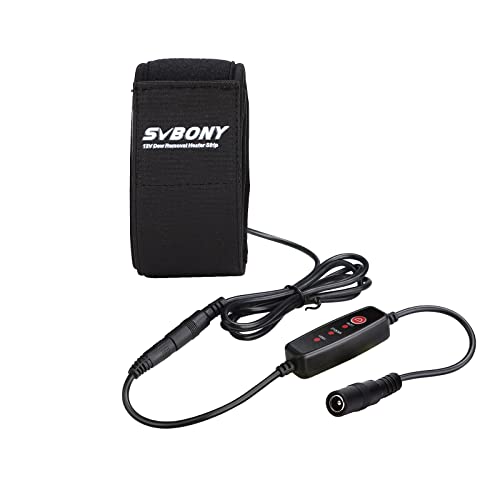
SVBONY SV192 Dew Heater for Telescope, 480 mm Dew Heater Strip
- Designed for telescopes: Protects against fogging and freezing
- Wide compatibility: Fits mirrors below 152mm and camera lenses
- Adjustable heat settings: 3-speed regulator with medium weak mode
As an affiliate, we earn on qualifying purchases.
As an affiliate, we earn on qualifying purchases.