To capture unique images during conjunctions of the Moon and planets, plan carefully using astronomy apps and charts to find exact timings. Use a sturdy tripod and suitable camera settings—like a mid-range aperture and low ISO—to guarantee sharpness and minimal noise. Focus precisely on the celestial bodies, experiment with exposure times, and consider stacking images for detail. Weather, patience, and preparation are key—discover more tips to make your photos truly stand out.

Get school and study supplies delivered free — and shop member deals
- Fast, free delivery on millions of items
- Access to Prime Big Deal Days deals on October 6–7
- Prime Video, Amazon Music and more included
Key Takeaways
- Use astronomical apps and charts to identify precise dates and times of lunar-planetary conjunctions.
- Plan compositions that highlight the proximity of celestial bodies for striking visual impact.
- Choose appropriate camera settings, such as wide-angle or telephoto lenses, to capture the conjunction details.
- Focus accurately on the Moon or planets using live view and magnification for sharp images.
- Check weather forecasts and arrive early to ensure clear skies and optimal shot setup during the event.
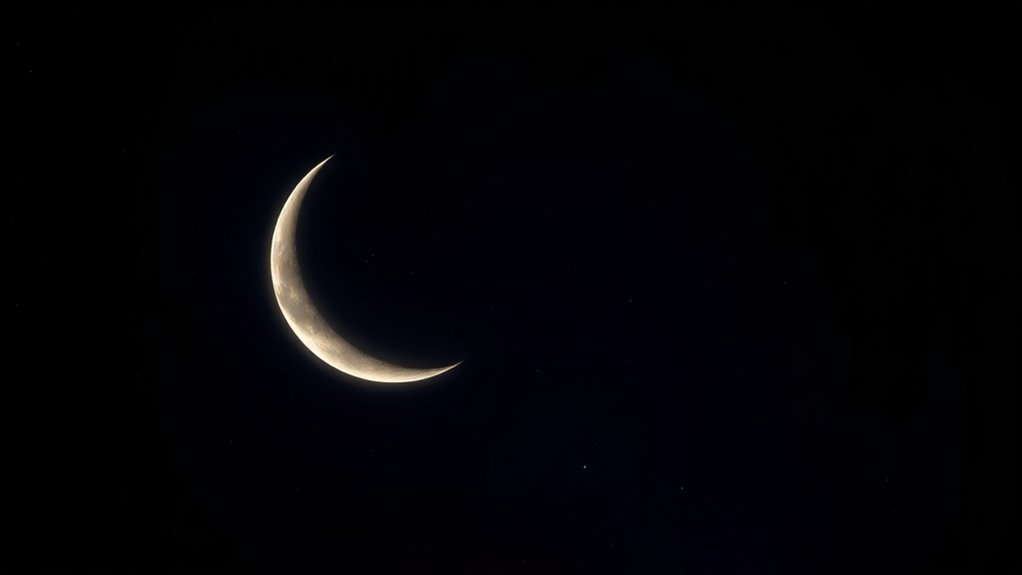
Conjunctions of the Moon and planets offer a spectacular opportunity for photographers to capture rare and striking celestial scenes. These moments of celestial alignment occur when the Moon and planets appear close together in the sky, creating breathtaking visuals that are perfect for astrophotography. To make the most of these events, you need to understand the significance of celestial alignment and prepare accordingly. Such alignments are infrequent, so timing your shoot is vital. You’ll want to keep an eye on astronomical charts and apps to pinpoint the exact dates and times when these conjunctions happen. Once you know when to shoot, you can plan your composition to highlight the proximity of the Moon and planets, creating a compelling image that showcases the dynamic beauty of our solar system.
Conjunctions of the Moon and planets offer rare opportunities for stunning astrophotography.
When capturing these celestial events, applying the right astrophotography tips is essential. First, use a sturdy tripod to keep your camera steady during long exposures. Since these events often happen at night, ensure your camera settings are optimized for low light. A wide-angle lens can help you frame a broader section of the sky, but if you want to emphasize the planets and the Moon, a telephoto lens is preferable. Adjust your aperture to a mid-range setting to balance sharpness and depth of field, and set a low ISO to reduce noise. Experiment with exposure times to get the right brightness without overexposing the planets or losing detail on the lunar surface. Bracketing exposures can also be useful so you can combine images or select the best shot later.
Focusing accurately is vital, especially in low light. Use live view and magnify the scene to fine-tune your focus on the Moon or a bright planet. To enhance your images, consider stacking multiple shots to increase detail and reduce noise, especially if you’re shooting at high magnifications. Additionally, avoid shooting during a full Moon if you want to capture more subtle details of the lunar surface, as a slightly crescent or gibbous phase can add more contrast and interest to your composition. Planning your shoot around the Water Parks in your area can also provide a fun way to relax and enjoy the night sky after a day of water-based fun.
Finally, patience and preparation are your best allies. Weather conditions can make or break your shoot, so check the forecast and aim for clear skies. Arrive early, set up your gear, and take test shots to verify everything is working correctly. With the right timing, gear, and technique, you’ll be able to produce stunning images of these rare celestial alignments that beautifully showcase the interconnected dance of our Moon and planets.
As an affiliate, we earn on qualifying purchases.
Frequently Asked Questions
How Do Planetary Conjunctions Affect Astronomical Photography Equipment?
Planetary conjunctions can challenge your astronomical photography equipment by requiring precise equipment calibration to capture clear images. You should select lenses with appropriate focal lengths to frame the conjunction properly, especially since bright planets can cause glare or overexposure. During conjunctions, make sure your equipment is well-calibrated, and choose lenses that optimize detail and contrast, so you can capture stunning, sharp images of the planets and moon aligning in the sky.
What Are the Best Times of Year for Lunar-Planetary Conjunctions?
You’ll want to mark your calendar during the best times of year for lunar-planetary conjunctions, typically around major lunar cycles like new or full moons. Spring and fall often host spectacular planetary alignments, adding drama to your sky-gazing. These celestial events happen when planetary alignments peek through the universe’s cosmic curtain, offering you prime opportunities to capture stunning images, because who wouldn’t want the universe’s grand finale on your camera roll?
Can Conjunctions Be Predicted Years in Advance Accurately?
Yes, conjunctions can be predicted years in advance accurately. You rely on advanced predictive algorithms that analyze celestial mechanics and orbital data. These algorithms use historical accuracy to refine their calculations, ensuring high precision over long timeframes. As a result, you can confidently plan for upcoming conjunctions, knowing that astronomers and software models provide reliable forecasts well ahead of time, allowing for breathtaking observations and photography opportunities.
Are There Safety Concerns When Photographing Conjunctions?
There are minimal safety concerns when photographing conjunctions, but you should prioritize photography safety and equipment safety. Never look directly at the Sun without proper filters; doing so can cause serious eye damage. Use sturdy tripods and secure your gear to prevent accidents. If you’re shooting in remote locations, be mindful of your surroundings to avoid hazards. With proper precautions, you can safely capture stunning celestial images.
How Do Atmospheric Conditions Influence the Visibility of Conjunctions?
Atmospheric conditions greatly impact the visibility of conjunctions. Atmospheric distortion, caused by turbulence or pollution, can blur or obscure the planets and moon, making it harder to capture clear images. Visibility conditions like haze, humidity, or light pollution reduce how sharply you see the conjunctions. To get the best shots, check weather forecasts, choose nights with clear skies, and minimize light interference for ideal clarity.
telephoto lens for astrophotography
As an affiliate, we earn on qualifying purchases.
As an affiliate, we earn on qualifying purchases.
Conclusion
By capturing conjunctions of the Moon and planets, you unveil a universe of stunning images that feel almost magical. Some believe these alignments influence our moods or destinies, adding a mystical layer to your photos. While science shows these events are purely celestial, your creative eye can turn them into captivating stories. So next time the sky aligns just right, grab your camera and let the stars inspire your imagination — you might just create something truly unique.
moon and planet conjunction camera accessories
As an affiliate, we earn on qualifying purchases.
As an affiliate, we earn on qualifying purchases.
low light astrophotography camera
As an affiliate, we earn on qualifying purchases.
As an affiliate, we earn on qualifying purchases.
Halloween Picks
halloween
As an affiliate, we earn on qualifying purchases.