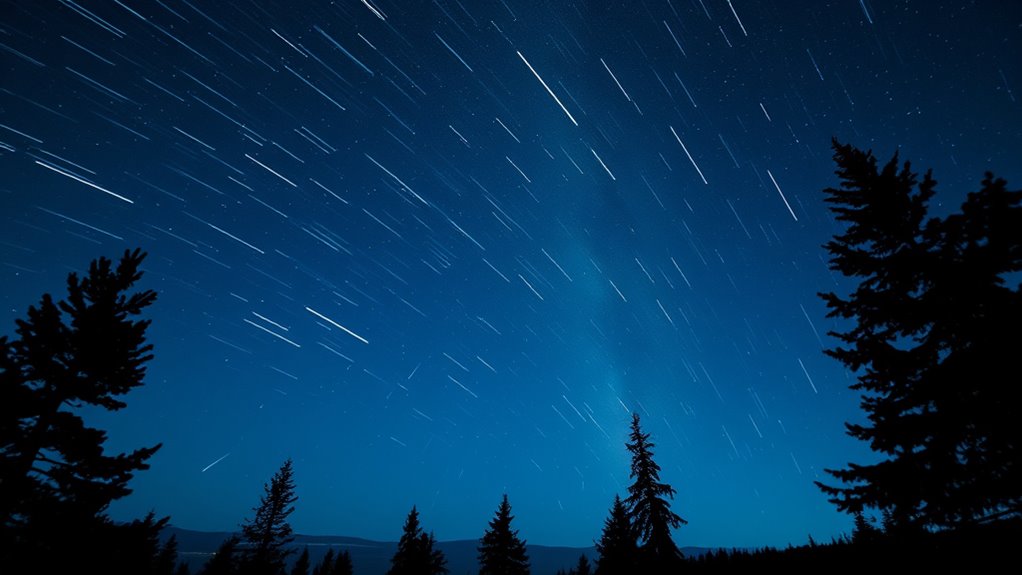
To plan for the Quadrantid meteor shower in early January 2026, choose a dark location far from city lights, preferably a rural or high-altitude spot. Arrive early before dawn to settle in and give your eyes time to adapt to darkness. Clear skies are essential for the best experience, and patience will help you catch the spectacular display of up to 120 meteors per hour. Stay comfortable and enjoy this celestial event—more helpful tips await if you continue exploring.
Key Takeaways
- The Quadrantid Meteor Shower peaks in early January 2026 with up to 120 meteors/hour, best viewed before dawn.
- Choose dark, rural, or high-altitude locations away from city lights for optimal viewing conditions.
- Arrive early and allow your eyes to adapt to darkness; bring comfortable seating and blankets for patience.
- Clear skies and minimal light pollution are essential for witnessing the shower’s brief but intense display.
- Embrace the cultural significance and myths surrounding shooting stars to enhance the viewing experience.
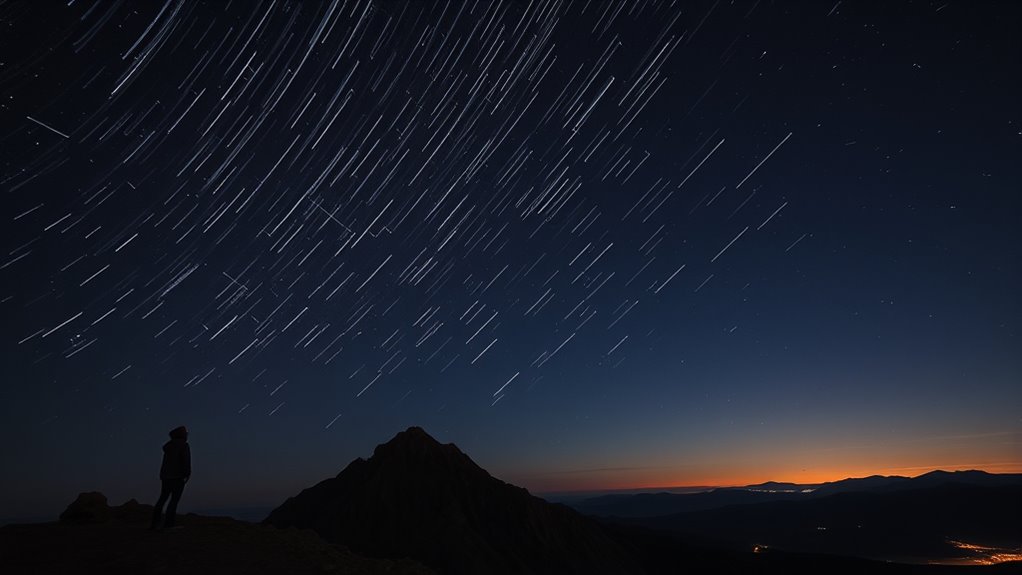
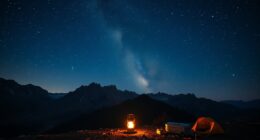
The Quadrantid Meteor Shower is set to peak in early January 2026, offering skywatchers a spectacular display of shooting stars. If you’re eager to catch this celestial event at its best, choosing the right viewing location is vital. The best viewing locations are typically areas far from city lights, where light pollution is minimal and the night sky is clearer. National parks, rural areas, or high-altitude sites often provide the perfect backdrop for watching meteors streak across the sky. Check local weather forecasts beforehand to guarantee clear skies, and arrive early to settle in before the peak activity begins. Remember, the darker your surroundings, the more meteors you’ll see, so plan your outing accordingly.
As you prepare for this event, it’s interesting to consider the meteor shower myths that have persisted through history. Many cultures have woven stories around shooting stars, interpreting them as messages from the gods or signs of change. Some believed the meteor shower was a battle among celestial beings, while others saw it as a divine spectacle, a reminder of the universe’s power and mystery. These myths add a layer of wonder to the viewing experience, connecting you to centuries of human fascination with the night sky. Knowing these stories can deepen your appreciation, transforming watching the Quadrantids from a simple astronomy activity into a moment of cultural reflection and awe. Additionally, understanding the rustic decor associated with farmhouse aesthetics can enhance your appreciation for natural and vintage elements in various settings.
To maximize your viewing experience, give yourself plenty of time to acclimate your eyes to the darkness. Avoid bright lights, including phone screens, shortly before observing, as they can hinder your night vision. You don’t need any special equipment; just find a comfortable spot with a clear view of the sky. The Quadrantids are known for their brief but intense display, with up to 120 meteors per hour at their peak, so patience is key. Keep warm if it’s cold outside, and consider bringing a reclining chair or blanket for comfort during your wait. The best moments often come unexpectedly, so stay alert and enjoy the beauty and mystery of this annual cosmic event.
Frequently Asked Questions
Will the Weather Affect the Visibility of the Quadrantids in 2026?
Weather can definitely affect your view of the Quadrantids in 2026. Atmospheric interference, like haze or pollution, can reduce visibility, while cloud cover often blocks the entire sky. Clear, dark nights give you the best chance to see the meteors, so check local weather forecasts and aim for nights with minimal cloud cover. Planning your viewing when the sky is forecasted to be clear maximizes your chances of witnessing this spectacular shower.
What Equipment Enhances Viewing During the Peak Hours?
You can enhance your viewing during the peak hours by using binoculars to get a closer look at the meteors and star charts to identify specific constellations and radiant points. Binoculars help you see more meteors with detail, while star charts guide you to the best viewing spots in the sky. Make sure your equipment is ready and you’re in a dark, clear area for the best experience.
Are There Specific Locations Ideal for Observing the Meteor Shower?
You should head to dark sky sites away from urban light pollution for the best view of the Quadrantid Meteor Shower. These locations minimize artificial light, allowing you to see more meteors clearly. Avoid city areas, and choose spots with minimal light interference, open skies, and low horizon obstructions. The darker the environment, the better your chances of catching spectacular meteors during the peak hours.
How Does Moon Phase Impact the Meteor Shower’s Visibility?
Imagine you’re back in the days of Galileo, gazing up at the night sky—moon phase impacts your view of the Quadrantid Meteor Shower. A full moon causes moonlight interference, washing out faint meteors and reducing visibility. For the best experience, aim for a new moon or when the moon is below the horizon. Clear, dark skies enhance your chances of catching those brilliant streaks across the night.
Can the Quadrantids Be Seen From the Southern Hemisphere?
Yes, you can see the Quadrantids from the Southern Hemisphere, but visibility challenges exist. The radiant point is higher in the sky for Northern Hemisphere viewers, making the meteors more prominent there. In the South, you’ll have a shorter window of ideal viewing, especially before dawn. To catch the best activity, find a dark, clear spot away from city lights and observe during the peak hours in early January.
Conclusion
Remember, the early bird catches the worm, so plan ahead for the Quadrantid Meteor Shower in 2026. With clear January nights, you have a perfect chance to witness this stunning celestial display. Grab your telescope or find a dark spot away from city lights, and don’t miss out on this incredible event. Clear skies and patience will reward you with a breathtaking show—so get ready to catch a glimpse of the universe’s winter fireworks!