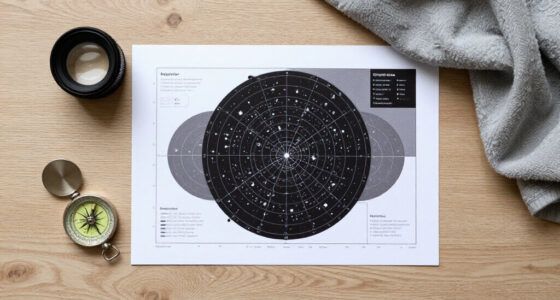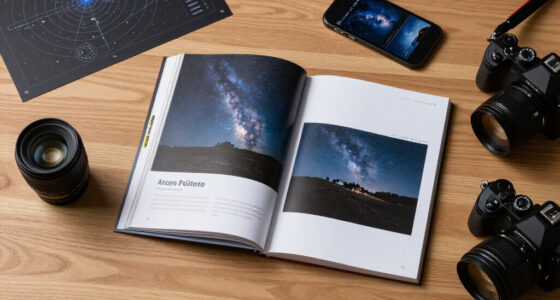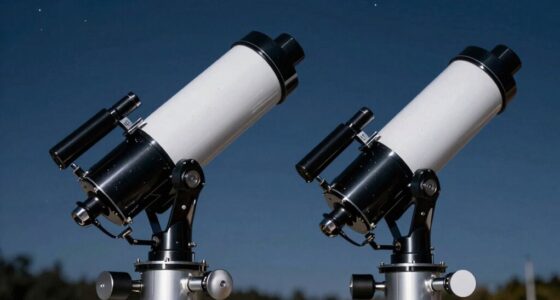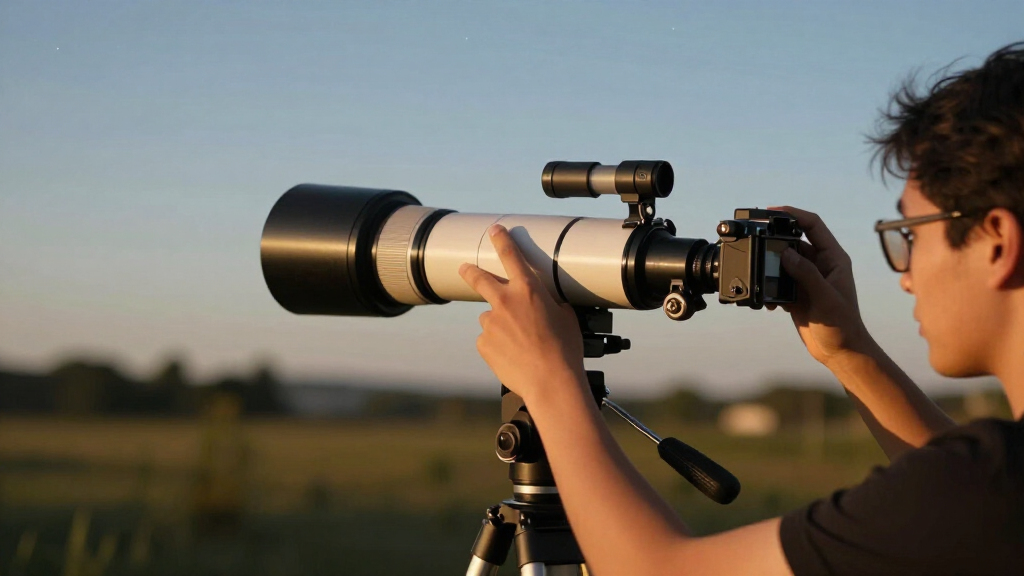
Anyone shopping for astrophotography camera accessories is usually fighting the same battle: stars trail, noise creeps in, and city glow washes out faint detail. After comparing this year’s most practical add-ons, I found the iOptron SkyGuider Pro Camera Mount Full Package to be the best overall pick, because its tracking lets a camera expose for minutes instead of seconds — and that matters more than any filter or adapter. The Walking Way Natural Night Filter stands out as the quickest, cheapest fix for light-polluted skies, while the SVBONY SV905C Guide Camera is the upgrade deep-sky shooters with an equatorial mount will feel immediately. The core tradeoff in this category is simple: tracking and guiding hardware costs real money but transforms results, while filters, adapters, and reference tools cost little and solve narrower problems. Keep reading for the full breakdown of all six picks, ranked by how much each one actually improves your images per dollar spent.
Open a free Amazon Business account
Business pricing, bulk buying and tax-exempt orders.
Create a free accountAs an affiliate, we earn on qualifying purchases.
Key Takeaways
- The iOptron SkyGuider Pro outranked every filter and adapter here because tracking is the single biggest image-quality lever — it turns 15-second exposures into multi-minute ones.
- Cheap fixes have ceilings: the Walking Way Natural Night Filter visibly tames suburban skyglow, but it cannot recover the faint nebula detail that longer tracked exposures reveal.
- The SVBONY SV905C guide camera ranks second on impact but is dead weight without an equatorial mount that has an ST4 guide port — it is a second-stage upgrade, not a starter buy.
- The Astromania variable projection adapter earned Best Value by solving the camera-to-telescope connection problem for very little money — something no editing workflow fixes later.
- Two picks in this roundup don’t improve a single frame directly: the SV164 dark filter pays off in cleaner stacked images, and the DSLR cheat sheets pay off in fewer wasted nights.
| iOptron SkyGuider Pro Camera Mount Full Package |  | Best Overall | Mount Type: Single-axis star tracker | Construction: All-metal | Weight: 2.2 lbs (1.0 kg) | VIEW LATEST PRICE | See Our Full Breakdown |
| Walking Way 49mm Natural Night Filter for Light Pollution Reduction |  | Best for Urban Skies | Filter Thread: 49mm | Glass: Neodymium optical glass | Coating: Multi-layer nano coating | VIEW LATEST PRICE | See Our Full Breakdown |
| SVBONY SV905C Guide Camera, 1.23MP CMOS, USB 2.0, ST4 |  | Best Upgrade for Deep-Sky Imaging | Sensor: 1/3-inch CMOS, color | Resolution: 1.23MP (1280 x 960) | Pixel Size: 3.75 microns | VIEW LATEST PRICE | See Our Full Breakdown |
| Astromania Variable Extension Projection Adapter 1.25″ Pro |  | Best Budget Pick | Material: Anodized aluminum | Connection Size: 1.25-inch | Extension Range: 34mm variable, with printed scale | VIEW LATEST PRICE | See Our Full Breakdown |
| DSLR Cheat Sheet Photography Quick Reference Cards for Canon, Nikon, Sony |  | Best for Beginners | Cards: 16 double-sided cheat sheets | Pages: 30 | Size: 3 x 4 in | VIEW LATEST PRICE | See Our Full Breakdown |
| SVBONY SV164 2-inch Dark Filter for Telescope |  | Best for Dark-Frame Calibration | Size: 2 inches | Thread: M48 x 0.75mm | Weight: 10 g | VIEW LATEST PRICE | See Our Full Breakdown |
| astrophotography camera accessorie | Weight | Compatibility | Material |
|---|---|---|---|
| iOptron SkyGuider Pro Camera M | 2.2 lbs (1.0 kg) | — | — |
| Walking Way 49mm Natural Night | — | Camera lenses with 49mm filter threads | — |
| SVBONY SV905C Guide Camera | 8 oz | — | — |
| Astromania Variable Extension | — | — | Anodized aluminum |
| DSLR Cheat Sheet Photography Q | — | Canon, Nikon, Sony (brand-agnostic) | Cardstock |
| SVBONY SV164 2-inch Dark Filte | 10 g | Standard 2-inch filter wheels | Metal with black anodized finish |
More Details on Our Top Picks
iOptron SkyGuider Pro Camera Mount Full Package
If I had to name one accessory that changes astrophotography results overnight, it’s a star tracker, and the iOptron SkyGuider Pro is the most balanced one here. By counteracting Earth’s rotation it stretches usable shutter speeds from seconds to minutes, which matters more than any filter or adapter in this roundup — the Walking Way filter helps you see through city glow, but it can’t stop stars from trailing. The 11-pound payload handles a DSLR with a telephoto lens, and the illuminated polar scope plus 20-hour battery suits long nights far from home. The tradeoffs are real: polar alignment has a learning curve, and 11 pounds caps out before heavy refractors. At several times the price of everything else on this list, it’s a considered purchase — but it’s the one that makes the hobby’s signature images possible.
Pros:- Turns seconds-long exposures into minutes-long ones — the single biggest image-quality leap in this roundup
- 11 lb payload covers a DSLR or mirrorless body with most telephoto lenses
- Illuminated polar scope with fine altitude and azimuth controls makes alignment precise
- Internal rechargeable battery runs up to 20 hours, enough for a full night
Cons:- Costs several times more than every other accessory in this roundup
- Polar alignment has a learning curve, and sloppy alignment shows up as trailing
- 11 lb ceiling rules out heavier refractors and big lens-and-camera combinations
Best for: DSLR or mirrorless owners ready to move past star trails into tracked wide-field Milky Way and deep-sky work
Not ideal for: Casual shooters on a tight budget, and anyone running a heavy refractor that pushes past the 11 lb payload ceiling
- Mount Type:Single-axis star tracker
- Construction:All-metal
- Weight:2.2 lbs (1.0 kg)
- Payload Capacity:11 lbs (5 kg)
- Latitude Adjustment:-30° to 65°
- Azimuth Adjustment:±5°
- Polar Scope:Illuminated, with adjustable base
- Battery Life:Up to 20 hours, internal rechargeable
Our verdict“The one accessory here that fundamentally changes what your camera can capture — buy it before any filter, adapter, or camera upgrade.”
Walking Way 49mm Natural Night Filter for Light Pollution Reduction
City skyglow is the default enemy for most shooters, and this neodymium-glass filter fights it by blocking the yellow-orange bands from sodium and LED streetlights, so the Milky Way keeps its contrast straight out of camera. Compared with the iOptron SkyGuider Pro, which buys you longer exposures, the Walking Way buys you cleaner color in the exposures you already take — and it costs a fraction as much. The catch is the 49mm thread: it fits nifty-fifty primes and a handful of kit lenses, but owners of 52mm, 58mm, or 77mm glass will need a different size or a step-up ring. It also earns its keep mainly under light-polluted skies; at a genuinely dark site it subtracts light without adding much. Under Bortle 6+ skies, though, it’s the most affordable improvement on this list.
Pros:- Cuts sodium and LED skyglow, restoring Milky Way contrast under city skies
- Neodymium optical glass with multi-layer nano coating keeps stars sharp
- Water-resistant, scratch-proof build with a protective case included
- The most affordable image-quality gain for city-based shooters in this lineup
Cons:- 49mm thread only — most kit zooms and wide-aperture wides need a different size or step-up ring
- Adds little at genuinely dark sites, where there is no skyglow to subtract
- Like any filter, it trims total light, so exposure times stretch slightly
Best for: Urban and suburban photographers with a 49mm-thread prime lens who shoot the night sky from light-polluted locations
Not ideal for: Dark-site shooters with no skyglow to remove, and anyone whose main lens uses a filter thread other than 49mm
- Filter Thread:49mm
- Glass:Neodymium optical glass
- Coating:Multi-layer nano coating
- Water Resistance:Water resistant
- Surface Durability:Scratch-proof
- Compatibility:Camera lenses with 49mm filter threads
- Included:Protective filter case
Our verdict“If you shoot the night sky from the suburbs with a 49mm lens, this is the cheapest meaningful upgrade you can make.”
SVBONY SV905C Guide Camera, 1.23MP CMOS, USB 2.0, ST4
Once a tracker like the iOptron SkyGuider Pro or an equatorial mount enters the picture, guiding becomes the next bottleneck: even good polar alignment drifts over multi-minute exposures. The SVBONY SV905C closes that gap by watching a reference star and nudging the mount through its ST4 port, which is what turns 60-second subs into clean 5-minute ones. Its high-sensitivity CMOS sensor finds guide stars easily, and at this price it undercuts most dedicated guide cameras. The honest limits: at 1.23MP over USB 2.0 it doubles only as a basic planetary imager — moon shots will look soft next to higher-resolution cameras — and it won’t work with ASIAIR units, so ZWO-ecosystem users should look elsewhere. Setup also demands a laptop and a driver download, unlike the plug-and-play picks elsewhere on this list.
Pros:- High-sensitivity 1/3-inch CMOS finds guide stars even through small guidescopes
- ST4 guide port plus broad software compatibility pairs with most equatorial mounts
- Compact 8-ounce body fits 1.25-inch focusers, CS-mount, and C-mount lenses
- Priced well below most dedicated autoguiding cameras
Cons:- 1.23MP resolution and USB 2.0 limit it to basic lunar and planetary imaging
- No ASIAIR support — ZWO ecosystem users are locked out
- Requires a laptop and a driver install at every session
Best for: Deep-sky imagers with an equatorial mount or tracker who want autoguiding accuracy without premium guide-camera prices
Not ideal for: ASIAIR users, and anyone shopping for a primary planetary camera — the resolution and USB 2.0 link hold it back
- Sensor:1/3-inch CMOS, color
- Resolution:1.23MP (1280 x 960)
- Pixel Size:3.75 microns
- Data Interface:USB 2.0
- Guide Interface:ST4
- Lens Mounts:1.25-inch, CS-mount, C-mount
- Noise Profile:Low read noise, high peak quantum efficiency
- Dimensions:1.42 x 1.42 x 2.56 in
- Weight:8 oz
Our verdict“The sensible first autoguider for laptop-based rigs that have outgrown unguided exposures.”
Astromania Variable Extension Projection Adapter 1.25″ Pro
For moon and planet shooters, eyepiece projection is how you reach the focal lengths that fill the frame, and this anodized-aluminum tube does it for less than the cost of a decent eyepiece. The 34mm variable extension with a printed scale lets you dial magnification repeatably instead of guessing, and the anti-reflection threading keeps contrast from washing out — a problem the Walking Way filter can’t fix, since that one lives inside the optical path. Where it falls short versus the iOptron SkyGuider Pro: it adds no tracking, so high magnifications demand a mount that already follows the sky, and the 1.25-inch barrel excludes 2-inch eyepieces. It also assumes you own a T-ring for your camera brand. As a low-risk first step into planetary imaging, though, nothing else here comes close on price.
Pros:- Variable 34mm extension with a printed scale gives repeatable magnification control
- Anodized aluminum body with anti-reflection threading protects contrast
- Secure, adjustable DSLR-to-telescope connection for high-magnification work
- The lowest-cost entry into eyepiece-projection imaging in this roundup
Cons:- 1.25-inch barrel only — 2-inch eyepieces and larger accessories are out
- Needs a brand-specific camera T-ring that isn’t included
- High magnification exposes any tracking weakness in your existing mount
Best for: Beginners aiming a DSLR at the Moon or planets through a telescope with a 1.25-inch focuser
Not ideal for: Wide-field and deep-sky shooters, and owners of 2-inch eyepieces or mounts without tracking
- Material:Anodized aluminum
- Connection Size:1.25-inch
- Extension Range:34mm variable, with printed scale
- Threading:Full extinction (anti-reflection) thread
- Imaging Style:Eyepiece projection
- Best Targets:Moon and planets
- Camera Requirement:Brand-specific T-ring, not included
Our verdict“A low-risk ticket into eyepiece-projection lunar and planetary imaging, as long as your setup stays 1.25-inch.”
DSLR Cheat Sheet Photography Quick Reference Cards for Canon, Nikon, Sony
Every other pick in this roundup assumes you already know your way around manual mode; these 16 color-coded reference cards are for the photographer who doesn’t yet. They condense exposure triangle math, mode selection, and composition rules into pocket-sized prompts that clip to a camera bag with the included carabiner — genuinely handy when you’re fumbling with settings in the dark and don’t want to drain your phone. Set against the SVBONY SV905C or the iOptron SkyGuider Pro, nothing here improves your images directly; it shortens the learning curve so the hardware can. The limits are honest ones: the cards stick to general photography, so night-sky specifics like polar alignment and stacking aren’t covered, and seasoned shooters will outgrow them fast. For a first DSLR owner, it’s the gentlest on-ramp on this list.
Pros:- 16 color-coded double-sided cards cover exposure, shooting modes, composition, and lighting
- Pocket-sized 3 x 4-inch format with carabiner clips to any camera bag
- Brand-agnostic guidance works with Canon, Nikon, and Sony bodies
- Screen-free reference that won’t drain your phone mid-shoot
Cons:- General photography only — no polar alignment, stacking, or night-sky-specific guidance
- Quick-reference depth; it won’t replace a real manual or structured course
- Experienced shooters will outgrow it within a few outings
Best for: First-time DSLR owners who want settings help in the field without digging through menus or phone apps
Not ideal for: Anyone past the basics, and night-sky shooters looking for astro-specific technique guidance rather than general photography help
- Cards:16 double-sided cheat sheets
- Pages:30
- Size:3 x 4 in
- Material:Cardstock
- Layout:Color-coded by topic
- Topics:Exposure, shooting modes, composition, lighting
- Compatibility:Canon, Nikon, Sony (brand-agnostic)
- Included Accessories:Metal carabiner and keyring
Our verdict“A helpful pocket coach for true beginners, but skip it once manual mode feels natural.”
SVBONY SV164 2-inch Dark Filter for Telescope
Every long-exposure astrophotography stack depends on dark frames, and the SVBONY SV164 exists to make shooting them painless. This 2-inch metal filter blocks light completely, so the sensor records only its own thermal noise and hot pixels — the exact data stacking software needs to clean up real images. Compared with the Walking Way Natural Night Filter, which tries to improve incoming light, the SV164 removes light entirely; they solve opposite problems. I’d pair it with a more serious rig built around something like the SVBONY SV905C guide camera, since clean calibration matters more as setups grow. The tradeoff is honesty about what it is: a single-purpose tool. A lens cap can produce dark frames too, so what the SV164 really sells is convenience inside a filter wheel, letting dark frames slot into an imaging sequence without touching the telescope.
Pros:- Blocks all incoming light so dark frames can be captured on demand during an imaging session
- Standard M48 x 0.75mm thread drops into most 2-inch filter wheels for automated calibration sequences
- Metal body with black anodizing resists corrosion and weighs just 10g, adding no meaningful load to the imaging train
- Directly targets thermal noise and hot pixels, the two biggest enemies of clean long-exposure stacks
Cons:- Single-purpose accessory — a lens cap or scope cover can produce dark frames, so it sells convenience rather than new capability
- No value outside astrophotography calibration; daytime and wide-field nightscape shooters get nothing from it
- Quick switching depends on already owning a compatible 2-inch filter wheel
Best for: Deep-sky imagers running long exposures through a 2-inch filter wheel who want dark frames captured mid-session without capping the scope
Not ideal for: Nightscape shooters working with a camera lens — they need a light-pollution filter like the Walking Way Natural Night Filter, not an opaque calibration tool
- Size:2 inches
- Thread:M48 x 0.75mm
- Weight:10 g
- Material:Metal with black anodized finish
- Function:Blocks light for dark-frame calibration
- Compatibility:Standard 2-inch filter wheels
- Packaging:Protective storage box
Our verdict“If your imaging routine already includes a filter wheel and long-exposure stacking, the SV164 is a sensible, low-effort way to automate dark-frame capture.”
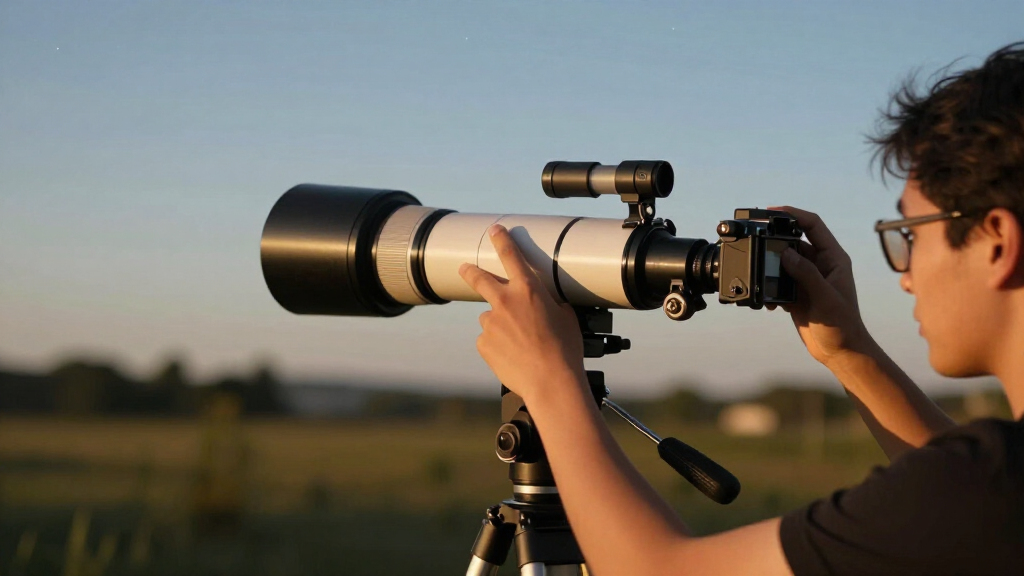
How We Picked
I judged every accessory in this roundup by one question first: how much does it improve the final image per dollar spent? That single criterion pushed tracking and guiding hardware to the top, because exposure length is the hardest physical limit in astrophotography. From there I weighed compatibility (does it need a specific mount, telescope, thread size, or guide port?), build quality (machined metal versus plastic, coatings on optics), and learning curve (can a first-timer get results on the first clear night?). Accessories that only work inside an existing system — like a guide camera that demands an equatorial mount — were scored on impact within that system, then discounted for their narrower audience.
The order reflects those priorities. The SkyGuider Pro leads because it helps nearly every camera-and-lens shooter immediately. The SV905C guide camera sits second: transformative for deep-sky work, useless on a static tripod. The Walking Way filter ranks third — high impact, but only under light-polluted skies. The Astromania adapter and SV164 dark filter solve specific, narrower problems (telescope connection and calibration), so they sit mid-list despite excellent value. The DSLR cheat sheets round out the ranking because knowledge improves your nights but not your individual frames — the ranking is a purchase sequence, not a quality verdict on any single item.
| astrophotography camera accessorie | Compatibility | Material |
|---|---|---|
| iOptron SkyGuider Pro Camera M | — | — |
| Walking Way 49mm Natural Night | Camera lenses with 49mm filter threads | — |
| SVBONY SV905C Guide Camera | — | — |
| Astromania Variable Extension | — | Anodized aluminum |
| DSLR Cheat Sheet Photography Q | Canon, Nikon, Sony (brand-agnostic) | Cardstock |
| SVBONY SV164 2-inch Dark Filte | Standard 2-inch filter wheels | Metal with black anodized finish |
Factors to Consider When Choosing Astrophotography Camera Accessories
The reviews rank what to buy; this guide explains how to think before you buy. Astrophotography accessories live or die on system fit — the same filter that transforms one shooter’s images is useless glass on another’s lens. These five factors cover what product blurbs cannot: purchase sequencing, compatibility checks, and knowing where budget gear is genuinely the smart choice.
Start With Tracking, Not Glass
Every astrophotography accessory ultimately serves one goal: collecting more clean photons. A star tracker attacks that goal directly by letting your camera follow the sky’s rotation, so exposures stretch from seconds into minutes without stars smearing into trails. No filter, adapter, or editing workflow can substitute for that extra light-gathering time, which is why the tracking option in this roundup outranks everything else. The common mistake is buying a tracker before your tripod can support it — a flimsy travel tripod under a tracker and a long lens produces wobble that mimics bad tracking. Budget for a stable base first, then the tracker. If your current limit is star trails at 20 seconds, tracking is your next purchase; if your limit is orange skyglow or a camera that won’t reach focus on your telescope, your money belongs elsewhere.
Match Every Accessory to the Rig You Actually Own
Compatibility is where most wasted money goes in this category. A 49mm screw-on filter only fits lenses with a 49mm thread (step rings work, but risk vignetting on wide lenses), while a 2-inch eyepiece filter belongs inside a telescope’s focuser, not on a camera lens. Guide cameras need a mount with an ST4 guide port or software pulse guiding — plug one into a setup without that and it becomes an expensive paperweight. Telescope adapters demand the correct T-ring for your camera brand, and projection adapters need a focuser with enough inward travel to reach focus. Before buying anything, write down your lens thread size, your focuser diameter, and your mount’s ports, then check each product against that list. Five minutes of measuring beats a return shipment.
Light Pollution Filters and Noise Filters Solve Different Problems
These two filter types get confused constantly, and buying the wrong one disappoints. A natural night filter blocks specific wavelengths from sodium and LED streetlights, cleaning up color casts and improving contrast on the night sky — it does nothing about your camera’s internal noise. A dark filter does the opposite: it blocks all light so you can shoot dark calibration frames with the camera still attached to the telescope, which strips out hot pixels and thermal noise during stacking. One fights the environment, the other fights the sensor. City shooters benefit most from the first; anyone stacking long exposures on a warm night benefits from the second. Neither replaces longer exposure time, so treat both as refinements layered on top of a tracking setup rather than as foundations.
Where Cheap Accessories Are the Smart Buy
Not every problem justifies a big spend. Mechanical connection issues — getting a DSLR to a telescope focuser at the right distance — are solved by machined aluminum that costs very little to make well, so a budget variable adapter performs nearly identically to one costing three times more. The same logic applies to reference cards: exposure starting points for the Milky Way are genuinely fixed numbers, and having them laminated in your pocket saves real fumbling in the dark. Where cheap gear fails is anything involving precision motion or coated optics — trackers, mounts, and high-transmission filters earn their price. A useful rule: spend the minimum on anything that holds or informs, and spend properly on anything that moves or filters light.
Think in Signal Chains, Not Single Purchases
Astrophotography results compound: each accessory multiplies what the others can do. A tracker without a guide camera tops out around two or three minutes with a telephoto lens before small periodic errors blur stars; adding guiding stretches that toward ten. A light pollution filter on untracked shots gives you cleaner short exposures, but the same filter on tracked frames reveals nebulosity that was previously buried. Even calibration frames matter more as exposures lengthen, because thermal noise grows with exposure time and sensor heat. The practical takeaway: buy in the order your bottleneck appears, not all at once. Trails first, then skyglow, then guiding precision, then calibration refinement — that sequence mirrors the ranking in this roundup.
Frequently Asked Questions
Should I buy a star tracker or a better lens first for astrophotography?
For night sky work, the tracker wins almost every time. A faster lens gains you one or two stops of light, but a tracker gains you the equivalent of four to six stops by stretching exposures from 15 seconds to several minutes. The exception is a lens with a maximum aperture slower than f/4 — then a fast wide-angle prime first and a tracker later is the smarter sequence. Budget matters too: a decent tracker costs roughly what a mid-range lens does, so buying both at once often means compromising on the mount. Get the tracker first, learn its polar alignment routine, and the lens upgrade will mean far more when it comes.
Will a light pollution filter actually help from a city backyard?
It depends on how bright your sky is and what you shoot. Under moderate suburban skies, a natural night filter visibly improves contrast and removes the orange-brown cast from streetlights, especially on the Milky Way and bright nebulae. From a heavily light-polluted city center, broadband filters like this lose effectiveness — narrowband filters and dedicated astronomy cameras handle that situation better, at much higher cost. The filter also dims stars slightly along with the skyglow, so from dark rural sites it offers little and can stay home. Buy it if your skies are roughly Bortle 4 to 6; if you’re deeper in the glow, look toward narrowband imaging or darker destinations instead.
Do I need an equatorial mount to use a guide camera?
Yes — a guide camera is pointless without a mount it can correct. The camera watches a single star and sends tiny correction signals through an ST4 port (or software pulse guiding) to keep the mount perfectly on target during long exposures. A camera tripod or fixed head has no motors to receive those corrections, so the guide camera would have nothing to do. This is exactly why the guide camera ranks below the tracker in this roundup: it is a second-stage upgrade for people who already own an equatorial mount or star tracker with a guide port. If you’re still shooting on a static tripod, put that money toward tracking first.
What is a dark filter, and do I really need one?
A dark filter blocks all incoming light so you can capture dark frames — exposures taken with the shutter open but no light reaching the sensor — without unscrewing your camera from the telescope. Stacking software subtracts these frames from your real images to remove thermal noise and hot pixels. You can achieve the same result with a DSLR’s lens cap, so it’s a convenience rather than a necessity. Where it earns its keep is mid-session on a telescope: temperature-matched darks shot between targets, without disturbing focus or framing. Beginners should use the lens cap and buy this later, once stacking is part of the regular workflow.
Which accessory should a complete beginner buy first?
Start with whatever removes your biggest frustration for the least money. If you’re still learning manual exposure at night, reference cards cost almost nothing and end the fumbling-with-your-phone problem in the dark. If your Milky Way shots already show short star trails, save for the tracker — it’s the one purchase in this category that changes what your camera is capable of rather than refining what it already does. Skip the guide camera and telescope adapters until you actually own the mount or telescope they attach to. A sensible sequence is: reference cards now, a light pollution filter next if you shoot near town, a tracker within the year, and guiding only after tracking feels routine.
Conclusion
Match the pick to the buyer. Best overall is the iOptron SkyGuider Pro Full Package — if you can only buy one accessory from this list, tracking is the one that changes what your camera can do. Best value goes to the Astromania variable projection adapter, which solves the camera-to-telescope connection cheaply and well. Best for beginners is the DSLR cheat sheet set: inexpensive, useful on the very first night, and a good companion while you save for bigger hardware. Deep-sky shooters with an equatorial mount should treat the SVBONY SV905C guide camera as the natural next rung, and suburban photographers get the most per dollar from the Walking Way Natural Night Filter. The SV164 dark filter is the right pick for anyone already stacking who wants cleaner calibration without breaking their setup mid-session. Whichever you choose, buy in the order of your bottleneck — trails, skyglow, guiding, then refinement — and each purchase will build on the last.
Fall yard work Picks
leaf blowers
As an affiliate, we earn on qualifying purchases.