If you’re looking for the best dew controller for widefield imaging, I highly recommend the R-Sky Automatic Dew Controller. It offers PWM control, supports multiple heater ports, and features manual adjustments, ensuring your optics stay dew-free without wasting energy. Its safety features and compatibility make it a top choice for reliable dew prevention. Keep exploring further, and you’ll discover how to optimize your setup for clear, uninterrupted imaging.
Key Takeaways
- R-Sky Automatic Dew Controller offers PWM regulation, multiple heater ports, and manual control for precise dew prevention.
- It features energy-efficient operation with low voltage alerts, extending battery life during long imaging sessions.
- Compatibility includes support for dual telescopes, finders, and sensors, ensuring versatile integration with equipment setups.
- Manual adjustment allows real-time fine-tuning of heater power, maintaining clear optics in varying environmental conditions.
- Safety features like reverse polarity protection and multiple heater ports safeguard equipment against electrical issues.

R-Sky Automatic Dew Controller – Intelligent Dual-Channel Heater Management for Telescopes
🔄 Automatically adjusts power to prevent dew and frost 🔋 Energy-saving PWM control extends battery life ⚠️ Low...
As an affiliate, we earn on qualifying purchases.
R-Sky Automatic Dew Controller for Telescopes
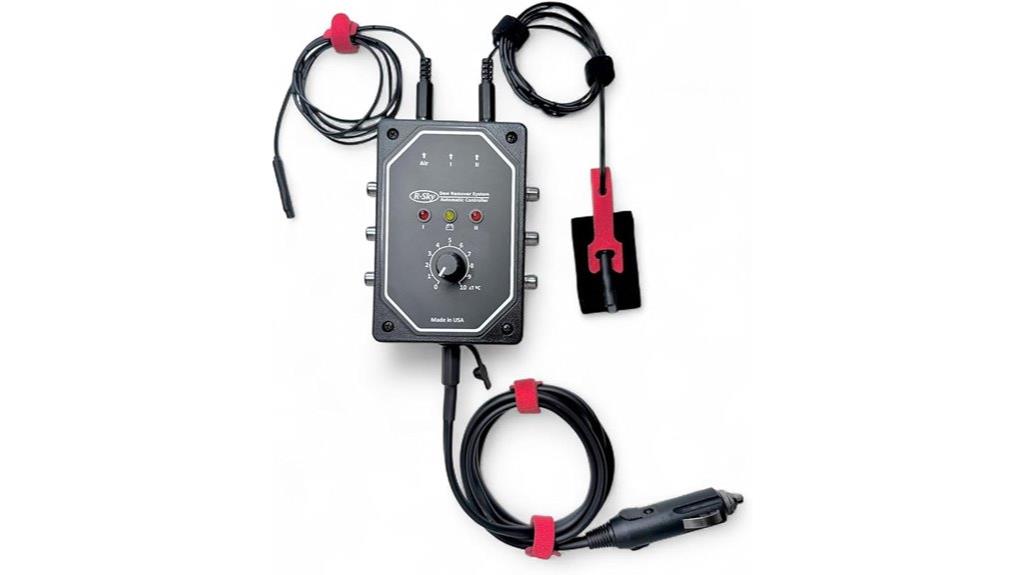
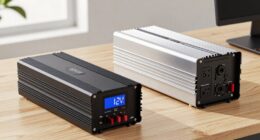
The R-Sky Automatic Dew Controller is an excellent choice for anyone serious about maintaining clear widefield images, especially when working with telescopes and finders. It intelligently adjusts power to prevent dew and frost buildup on your equipment, automatically managing heater levels for ideal conditions. With PWM control, it saves energy and extends battery life, while a low battery alert ensures reliable operation. The controller features six heater ports—auto, medium, and full power—and allows manual adjustment from 0 to 100%. Supporting dual telescopes and equipped with reverse polarity protection, it’s a safe, efficient, and versatile solution for preserving image quality during your observations.
Best For: amateur and professional astronomers seeking reliable dew prevention and energy-efficient control for telescopes, finders, and mirrors during observations.
Pros:
- Automatically adjusts heater power to prevent dew and frost buildup, ensuring clear imaging.
- PWM control extends battery life with energy-saving operation.
- Supports dual telescopes and includes reverse polarity protection for safe, versatile use.
Cons:
- May require some initial setup and calibration for optimal performance.
- Manual control mode might demand user attention for fine adjustments.
- Additional accessories like sensors and cables are needed for full functionality, potentially increasing setup complexity.
Factors to Consider When Choosing a Dew Controller for Widefield

When selecting a dew controller for widefield imaging, I consider factors like power management efficiency to guarantee reliable operation. Compatibility with my equipment and manual control features also matter, giving me flexibility during sessions. Additionally, safety, sensor accuracy, and easy setup are essential for a smooth and effective imaging experience.
Power Management Efficiency
Choosing a dew controller with strong power management efficiency means looking for features that optimize energy use while keeping your equipment dry. I recommend controllers that utilize PWM (Pulse Width Modulation) control, which adjusts heater power dynamically to reduce energy consumption without risking dew formation. Proper power management extends battery life, especially important during long, remote observing sessions. Low voltage alerts are vital—they prevent unexpected power failures that could jeopardize your setup. Energy-efficient controllers also adapt in real time, adjusting heater output based on humidity and temperature data, avoiding unnecessary power waste. Additionally, having manual control over heater levels offers flexibility for users who prefer precise adjustments. Prioritizing these features ensures you get reliable dew prevention with minimal power draw, enhancing your overall imaging experience.
Compatibility With Equipment
Making certain that your dew controller is compatible with your equipment is crucial for reliable and effective dew prevention. You need to verify that it has the right ports and power requirements for your telescope, finders, or cameras. Check if the controller supports the number of heaters or sensors your setup needs, especially if you’re using multiple accessories or dual telescopes. It’s also essential to ensure the manual and automatic modes can be adjusted to match your equipment’s power needs, avoiding overheating or insufficient dew prevention. Confirm that the device includes suitable sensors—air, telescope, or ambient—that align with your environmental monitoring. Lastly, make sure the controller’s voltage and current specifications match your existing power supply to ensure smooth, safe operation.
Manual Control Features
Manual control features are essential because they give you the ability to fine-tune heater power levels directly, ensuring ideal dew prevention for your widefield imaging setup. They allow you to set heater power precisely between 0% and 100%, providing customized control tailored to your environment and equipment. This responsiveness means you can quickly adjust the heater in real-time without relying solely on automatic modes, which may not always respond perfectly to changing conditions. Manual controls are especially useful for fine-tuning dew prevention on different optical components like widefield cameras and eyepieces. Devices with a dedicated dial or percentage-based input make adjustments intuitive. Additionally, manual mode serves as a reliable backup if automatic settings fall short or malfunction, maintaining continuous dew protection.
Safety and Protection
When selecting a dew controller for widefield imaging, prioritizing safety features is crucial to protect your equipment and guarantee reliable operation. Look for models with reverse polarity protection to prevent damage from incorrect connections. Automatic shutoff or low voltage alerts are essential for safeguarding your setup during power issues. Multiple heater ports with independent control help prevent overheating and equipment damage. Safety features like temperature sensors and frost detection provide reliable protection against moisture buildup. Additionally, choose a controller with built-in safety certifications and compliance standards to ensure it’s safe to use. These features not only shield your gear but also give you peace of mind, allowing you to focus on capturing quality images without worrying about potential electrical mishaps.
Sensor Accuracy and Setup
Accurate sensors play an essential role in effective dew control by detecting temperature and humidity changes that signal dew formation. Proper placement is vital—position sensors near the optics or in representative ambient conditions to guarantee reliable readings. Calibration is necessary over time, especially in varying environments, to keep measurements precise. High-resolution sensors can detect subtle shifts in temperature and humidity, allowing for more refined dew prevention adjustments. When setting up your dew controller, verify sensor connectivity and compare readings with actual environmental conditions to confirm accuracy. Consistent, precise measurements enable the controller to react promptly, preventing dew accumulation before it hampers your imaging session. Investing in quality sensors and careful setup ultimately ensures your system performs at its best under changing conditions.
Energy Consumption Rate
Have you considered how the energy consumption rate of a dew controller impacts your observing sessions? Lower energy use means your batteries last longer, especially during extended nights. PWM control technology helps by regulating power more efficiently, reducing unnecessary energy waste. Choosing a model with adjustable power levels allows you to tailor energy consumption based on dew formation conditions, saving power when dew is minimal. Energy-efficient controllers generate less heat, which also lowers power draw while still preventing dew effectively. Monitoring the power consumption rate lets you optimize your settings for both dew prevention and overall system efficiency. Ultimately, selecting a dew controller with a low energy consumption rate can improve your observing experience by ensuring longer sessions without power concerns.
Frequently Asked Questions
How Do Dew Controllers Prevent Sensor Fogging During Long Exposures?
Dew controllers prevent sensor fogging during long exposures by maintaining a consistent, low dew point around the camera sensor. They actively monitor humidity levels and automatically trigger a small amount of dew prevention heating or airflow when necessary. This keeps moisture from condensing on the sensor, ensuring clear images and avoiding fogging. I rely on dew controllers to protect my equipment and get sharp, fog-free shots every time.
Can Dew Controllers Be Integrated With Existing Telescope Automation Systems?
Imagine a starry night in the Victorian era, where technology meets wonder. Dew controllers can indeed be integrated with existing telescope automation systems. I’ve done it myself, connecting dew controllers via USB or serial ports. This seamless integration allows automated temperature regulation, preventing fogging during long exposures. With compatible software, I can control dew settings alongside my telescope’s movements, ensuring clear, sharp images without manual intervention.
What Is the Typical Lifespan of a Dew Controller’s Heating Element?
The heating element in a dew controller typically lasts around 3 to 5 years, but this can vary based on usage and environmental conditions. I’ve found that regular maintenance and careful monitoring help prolong its lifespan. If you notice reduced heating efficiency or signs of wear, it’s a good idea to replace the element promptly to ensure your equipment stays dew-free during imaging sessions.
Are There Specific Dew Controllers Recommended for Astrophotography?
Think of dew controllers as the unsung heroes keeping your lenses clear. For astrophotography, I recommend the Pegasus Astro Dew Controller and the SBIG Dew Heater Controller. They’re reliable, precise, and designed to handle the rigors of late-night stargazing. These controllers actively prevent dew buildup, ensuring your images stay crisp and clear. Investing in one of these makes a world of difference when chasing celestial wonders.
How Do Environmental Factors Influence Dew Controller Performance?
Environmental factors critically influence dew controller performance. I’ve found that humidity and temperature fluctuations can cause dew to form even with the best controller. High humidity levels make it harder to prevent dew, while rapid temperature drops can outpace the controller’s response. Wind and poor airflow also affect efficiency, so I always consider these conditions when calibrating my dew controller to guarantee ideal performance during imaging sessions.
Conclusion
So, there you have it—your ticket to battling dew like a seasoned scientist, or at least pretending to. With the right dew controller, you’ll stay clear-headed and your images crystal. Just remember, no device can turn a mediocre setup into a masterpiece overnight—unless you count divine intervention. But hey, if you’re tired of wiping your gear more than capturing stars, investing in a good dew controller might just be the smartest move you make today.