TL;DR
Photographs from the 1945 Trinity nuclear test, long thought lost, have been recovered and restored. These images provide a detailed visual record of the first atomic explosion, enhancing historical understanding.
Photographs from the 1945 Trinity nuclear test, previously considered lost, have been recovered and restored, offering a new visual record of the world’s first atomic explosion. This development provides historians and scientists with unprecedented insight into the event that marked the dawn of the nuclear age.

Prime made for students and young adults
- Fast, free delivery for dorm and study essentials
- Prime Video and Amazon Music included
- Member-only deals
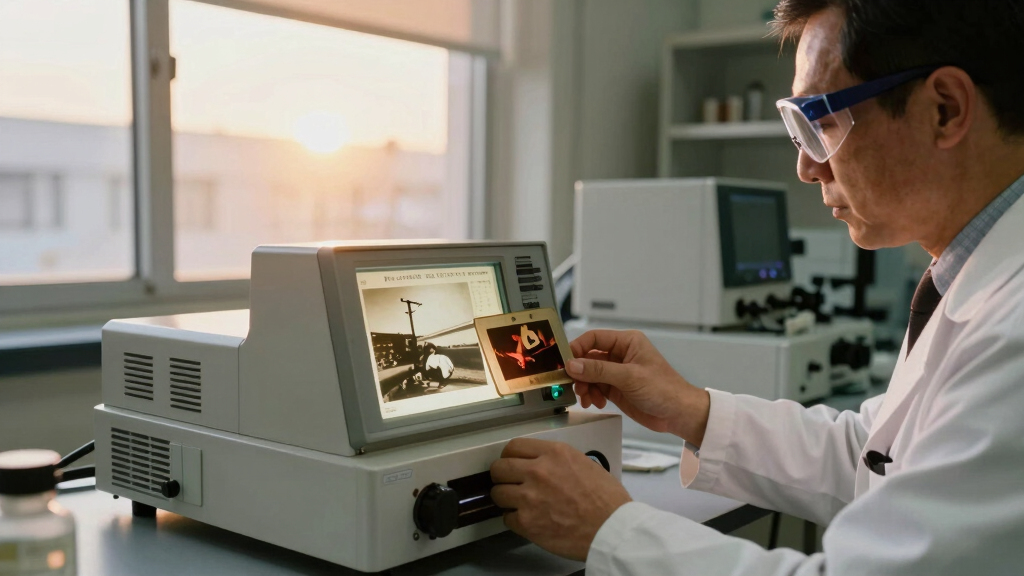
The photographs, taken during the Trinity test on July 16, 1945, were rediscovered in a private collection after decades of being considered lost. Restoration efforts have brought these images back to life, revealing detailed visuals of the explosion’s initial moments, including the fireball and the shockwave.
According to sources involved in the restoration, the images include rare footage captured by cameras positioned around the test site, some of which had been damaged or obscured over time. The restored images have been verified by experts at the Los Alamos National Laboratory, who confirmed their authenticity and historical significance.
Why It Matters
This discovery enhances the historical record of the Trinity test by providing clearer visual documentation of the first nuclear detonation. It allows scientists and historians to analyze the explosion with greater detail, contributing to the understanding of nuclear technology development and its early effects.
Additionally, the images serve as a record of the event’s technical aspects, which can inform ongoing studies related to nuclear physics and historical research.
Popular right now

Ninja Luxe Café Premier 3-in-1 Espresso, Drip Coffee, and Cold Brew Machine

Vitamix Nano Personal Blender with SmoothiePilot, Black

Sony WH-1000XM6 Wireless Noise-Canceling Headphones, Black
As an affiliate, we earn on qualifying purchases.
Background
The Trinity test was conducted on July 16, 1945, in New Mexico, marking the first atomic bomb test. Historically, only a limited number of photographs and film footage have been available, many of which were damaged or incomplete. Over the years, efforts to locate and restore archival materials have been ongoing, with this recent recovery representing a significant step in preserving this pivotal moment in history.
“The rediscovery and restoration of these images provide an important addition to the historical record of the Trinity test, offering visual details that were previously unavailable.”
— Dr. Emily Carter, historian specializing in nuclear history
“The restored photographs are a valuable resource for further analysis, providing additional details that can help refine our understanding of the explosion’s dynamics.”
— Dr. Robert Hayes, Los Alamos National Laboratory
What Remains Unclear
It remains uncertain how many additional images may still be unrecovered or whether further restoration efforts will be undertaken. The condition of the images and the details they reveal are currently under evaluation.
What’s Next
Researchers and historians will examine the restored images in detail, which may lead to new findings about the Trinity test. Future efforts could include locating additional archival materials and incorporating these images into educational and memorial displays.
Key Questions
How were the images recovered?
The images were found in a private collection after being believed lost for decades. Restoration specialists then carefully cleaned and digitized the photographs to recover their details.
What new information do the images reveal?
The images provide clearer visuals of the initial fireball, shockwave, and mushroom cloud, offering insights into the explosion’s early moments that were previously unavailable.
Why were the images considered lost?
Many of the original photographs were damaged, misplaced, or stored in inaccessible archives over the decades, leading to their status as lost until now.
Will these images be made publicly available?
Yes, the restored images are expected to be shared with the public through museums, online archives, and academic publications.
Source: Hacker News